




Definition & Purpose of the Exclusivity Agreement
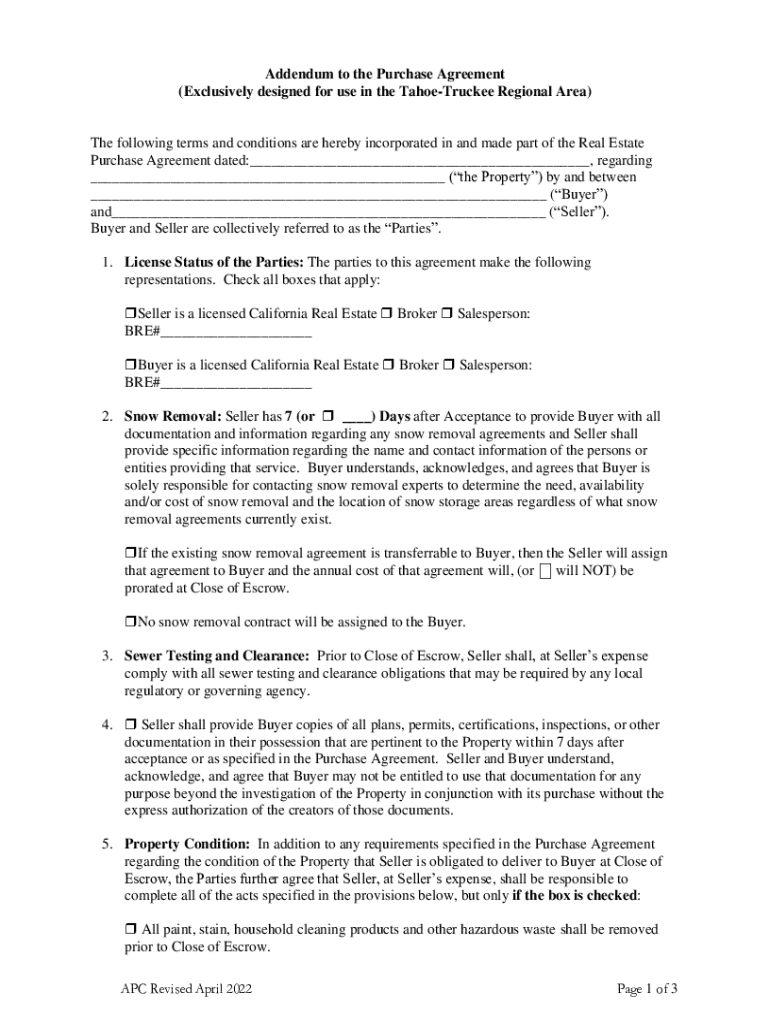
An exclusivity agreement is a legally binding document that restricts one or more parties from engaging in discussions or negotiations with other entities regarding certain matters. It is designed to protect the interests of the parties involved by ensuring that resources and strategic efforts are focused exclusively on a singular business agreement or transaction. In the context of the "Free Exclusivity Agreement Template - 2022 Updated Sample - PandaDoc," this template provides a structured format for outlining terms of exclusivity, reducing the potential for misunderstandings and conflicts over dealing with third parties.
How to Use the Exclusivity Agreement Template
To utilize the "Free Exclusivity Agreement Template - 2022 Updated Sample - PandaDoc," start by downloading the template from the PandaDoc platform. Customize the agreement to fit the specific context of your transaction by tailoring sections such as party names, duration of the exclusivity, and specific restrictions. Make sure to review the document thoroughly to ensure all essential details are covered. Each party involved should carefully read and agree to the terms outlined in the modified agreement before signing. The flexibility of the template allows it to be adjusted for a variety of business scenarios, accommodating different types of exclusivity clauses.
Steps to Complete the Exclusivity Agreement Template
-
Download the Template: Access and download the template via the PandaDoc platform for editing.
-
Input Party Details: Clearly specify the individuals or organizations entering into the agreement.
-
Define the Scope of Exclusivity: Outline precisely what aspects the exclusivity covers, such as specific markets or products.
-
Determine the Duration: State the exact time frame for which the agreement will remain in effect.
-
Set Additional Clauses: Include any specific terms or clauses relevant to the specific transaction, such as penalties for breach of exclusivity.
-
Review and Revise: All parties should review the agreement to ensure accuracy and compliance with legal standards.
-
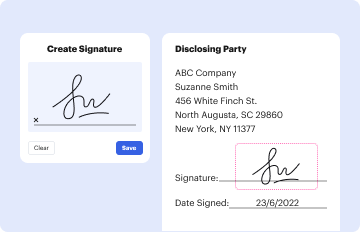
Signature Collection: Use the PandaDoc signature functionalities to collect binding electronic signatures from all parties.
Key Elements of the Exclusivity Agreement Template
- Parties Involved: Identifies all individuals or organizations participating in the agreement.
- Exclusivity Terms: Outlines what activities or discussions are restricted under the agreement.
- Time Frame: Specifies the duration that the exclusivity agreement will be effective.
- Confidentiality Obligations: May include clauses that protect sensitive information shared during negotiations.
- Termination Conditions: Describes the circumstances under which the agreement can be ended prematurely.
- Dispute Resolution: Provides procedures for resolving any disagreements that may arise.
Legal Use of the Exclusivity Agreement
In the U.S., exclusivity agreements are commonly employed in various transactions, such as mergers and acquisitions, supply contracts, and real estate deals. The agreement is legally enforceable, provided it complies with state and federal laws. The "Free Exclusivity Agreement Template - 2022 Updated Sample - PandaDoc" aids compliance by offering a structured format that can be adapted to meet statutory requirements across different jurisdictions.
Important Terms Related to Exclusivity Agreements
- Non-Compete Clause: Prevents a party from entering into or starting a similar profession or trade in competition against another party.
- Non-Solicitation Clause: Limits a party’s ability to solicit employees or clients of the other party.
- Term and Termination: Refers to how long the agreement lasts and conditions for early termination.
- Binding Arbitration: A method of resolving disputes without litigation, specified in many agreements to simplify potential legal conflicts.
State-Specific Rules for Exclusivity Agreements
State laws can influence the enforceability of exclusivity agreements. For instance, in California, non-compete clauses are largely unenforceable except in specific scenarios like the sale of business ownership. It is crucial to consider the legal landscape of the applicable state when using the exclusivity agreement template to ensure compliance and enforceability.
Examples of Using the Exclusivity Agreement Template
- Mergers and Acquisitions: Ensuring no external negotiations during due diligence.
- Supplier Agreements: Securing a supplier's commitment to not engage with competitors.
- Real Estate Transactions: Keeping negotiations exclusive during the inspection period.
These examples demonstrate the versatile applications of the exclusivity agreement in protecting business relationships and strategic ventures from external competition.
This structured content comprehensively outlines the usages, functionalities, and legal requisites of the "Free Exclusivity Agreement Template - 2022 Updated Sample - PandaDoc," providing essential context and guidance for applying this document effectively in varied business scenarios.


