



01. Edit your form online
Type text, add images, blackout confidential details, add comments, highlights and more.

Type text, add images, blackout confidential details, add comments, highlights and more.
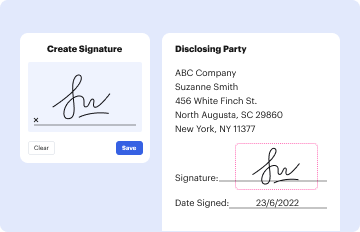
Draw your signature, type it, upload its image, or use your mobile device as a signature pad.

Send it via email, link, or fax. You can also download it, export it or print it out.
The "Motor Vehicle Inspection List" is an essential document used predominantly for recording the inspection details of vehicles. It serves as a comprehensive checklist ensuring all necessary vehicle components and systems meet safety and regulatory standards. This form is often required by various entities, including driver training schools, to maintain compliance with state regulations, such as those outlined in the Ohio Administrative Code.
Vehicle Information: Includes essential details like the vehicle's year, make, and model, which are crucial for identification and registration purposes. This helps ensure the specific characteristics and requirements of different vehicles are met during inspection.
License Plate Information: Captures the license plate number for further identification, linking the vehicle to official records within the Department of Motor Vehicles (DMV).
Inspection Date and Details: Lists the exact date when the inspection took place, ensuring the vehicle is evaluated within the regulatory timelines. Detailed information about findings is also noted, highlighting any issues detected or repairs needed.
Inspector Information: Documents the name and credentials of the individual conducting the inspection, providing accountability and traceability. Having a certified inspector's details adds legitimacy to the form's findings.
Gather Necessary Information: Before starting the inspection, collect all relevant information about the vehicle, such as its registration and owner details.
Conduct a Thorough Visual Inspection: Check all external and internal vehicle components including lights, tires, brakes, and steering systems. Document any visible discrepancies or wear signs.
Test Mechanisms and Safety Features: Operate the vehicle's critical systems, like the brakes and emergency lights, to ensure they function correctly. Utilize any diagnostic tools as required to gather data on vehicle performance.
Record Findings on the List: As each section of the vehicle is inspected, note any issues or areas that need maintenance in the appropriate sections of the form.
Review and Finalize the List: Double-check the completed form for any missing information or errors. Ensure the inspector’s details and signature are included to finalize the document.
The motor vehicle inspection list is critical for ensuring public safety and vehicle reliability. Regular inspections help prevent accidents caused by mechanical failures and maintain a vehicle’s roadworthiness. For businesses, this document is indispensable in confirming compliance with state regulations and avoiding potential legal repercussions.
Driver Training Schools: To ensure all training vehicles are in optimal condition, minimizing mechanical issues during instruction sessions.
Transport Companies: For fleets to verify that all vehicles meet strict operational and safety standards.
Automotive Repair Shops: As a reference to identify necessary maintenance and repairs during service appointments, ensuring comprehensive vehicle checks.


The form can generally be acquired from state DMV offices or their official websites. In Ohio, for example, it may be found under driver education resources or directly requested from the Department tasked with vehicle inspections.
Different states have unique regulations regarding vehicle inspections. For example, Ohio mandates annual inspections for driver training vehicles, focusing on specific components and systems critical for safe operation. Understanding state-specific rules ensures compliance and helps customize the inspection process.
Keeping a valid, up-to-date inspection list is not just a best practice but a legal requirement in many jurisdictions. Non-compliance can result in fines, penalties, or revocation of a business’s operating license. Therefore, adherence to the form’s requirements is crucial for lawful vehicle operation.
Imagine a driving school preparing for an annual audit by state authorities. The instructor uses the Motor Vehicle Inspection List to preemptively check their fleet, ensuring each vehicle is mechanically sound. This proactive measure helps the school maintain its certification and provides a safe environment for new drivers.
These sections highlight the importance of the Motor Vehicle Inspection List and provide comprehensive instructions on its use. By covering who uses the form, how to obtain it, and key legal considerations, this content ensures a thorough understanding of the document's role in vehicle safety and compliance.
We've got more versions of the MOTOR VEHICLE INSPECTION LIST form. Select the right MOTOR VEHICLE INSPECTION LIST version from the list and start editing it straight away!
At DocHub, your data security is our priority. We follow HIPAA, SOC2, GDPR, and other standards, so you can work on your documents with confidence.
Nov 12, 2013 Inspect body and chassis for rust and leaks. steering, exhaust systems, and brakes are all tested for a range of acceptability. Rearview,
Allows you to seamlessly and quickly perform inspections of a customers vehicle. Start off with your entire customer, vehicle and parts list in your newRead more


