





Definition and Meaning
The SOLOM-R and Evaluation Form (blank)-3 docx is a revision of the Student Oral Language Observation Matrix (SOLOM-R), intended to assess the oral language proficiency of English language learners. This document is crucial for educators to evaluate different aspects of a student's oral language development, such as comprehension, fluency, vocabulary, pronunciation, and grammar. By providing structured guidelines, the form helps teachers identify a student's language strengths and areas that need improvement, facilitating targeted teaching strategies designed to enhance language acquisition and communication skills.
Key Elements of the SOLOM-R and Evaluation Form
The SOLOM-R and Evaluation Form (blank)-3 docx is comprised of several key components that guide the evaluation process:
- Comprehension: Assesses the student's understanding of spoken language in various contexts.
- Fluency: Evaluates the student's ability to speak smoothly and with appropriate tempo.
- Vocabulary: Examines the range and appropriateness of words used by the student in their speech.
- Pronunciation: Looks at how accurately the student pronounces words, and how understandable their speech is.
- Grammar: Analyzes the complexity and correctness of grammatical structures used in speech.
Each section includes clear criteria that inform the scoring process, enabling educators to systematically document and rate a student's abilities.
How to Use the SOLOM-R and Evaluation Form
To effectively use this form, educators should follow a structured approach for assessing each student's language abilities:
- Familiarize with the Criteria: Understand the benchmarks set for each language component in the form.
- Observe and Record: During regular classroom activities or specific assessments, observe the student's oral interactions and record observations relevant to each criterion.
- Evaluate Performance: Use the criteria to assign scores for different language aspects, ensuring consistency and objectivity across evaluations.
- Provide Feedback: Share specific insights with the student, highlighting strengths and suggesting targeted areas for improvement.
Steps to Complete the SOLOM-R and Evaluation Form
Completing the form involves several steps to ensure an accurate and thorough evaluation:
- Prepare the Environment: Create a conducive environment for interaction, minimizing distractions to focus on the student's oral performance.
- Conduct the Assessment: Engage the student in activities that stimulate various aspects of language use, such as storytelling, discussions, or descriptive tasks.
- Record Observations: As the student participates, note specific examples of language use under each criteria area.
- Assign Scores: Based on the observations, rate each component using the form’s scoring system.
- Review and Reflect: After completing the assessment, review the scores to ensure they reflect an accurate picture of the student's abilities.
Why Use the SOLOM-R and Evaluation Form
The SOLOM-R and Evaluation Form provides distinct advantages for evaluating language learners:
- Systematic Evaluation: Offers a structured method for assessing oral language across key domains.
- Guidance for Instruction: Identifies areas needing support, allowing for tailored instruction that meets individual student needs.
- Track Progress: Enables educators to document progress over time, informing future instructional decisions and interventions.
- Facilitates Communication: Supports communication with students, parents, and other educators regarding language development objectives and outcomes.
Who Typically Uses the SOLOM-R and Evaluation Form
Primarily, the SOLOM-R and Evaluation Form is used by:
- ESL Educators: Teachers specializing in English as a Second Language (ESL) instruction.
- School Administrators: Education professionals overseeing language programs within schools.
- Speech and Language Therapists: Specialists concerned with assessing and developing oral communication skills.
- Education Program Developers: Individuals designing curricula and programs focused on language acquisition.

Important Terms Related to the SOLOM-R and Evaluation Form
Understanding key terminology is vital for utilizing the form effectively:
- Proficiency: The level of skill or competence in using language.
- Scoring System: A set methodology for assigning numerical values to observed language performance.
- Benmark Criteria: Standards or points of reference used to measure proficiency.
- Observation Matrix: A table or grid used for documenting and evaluating language performance.
Software Compatibility
The SOLOM-R and Evaluation Form (blank)-3 docx can be seamlessly integrated with document management solutions like DocHub, which supports various file formats including DOCX. This compatibility allows for:
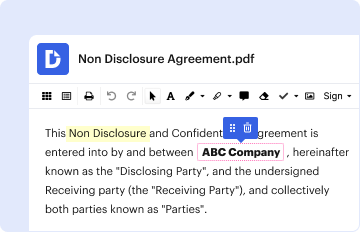
- Easy Editing and Annotation: Modify and add comments directly on the form.
- Cloud Storage Integration: Store and access forms via platforms like Google Drive and Dropbox.
- Collaborative Use: Enable multiple users to view and edit documents in real time, facilitating teamwork and data sharing.
Examples of Using the SOLOM-R and Evaluation Form
Practical scenarios for using the SOLOM-R and Evaluation Form include:
- Classroom Assessments: Regularly assessing students in an ESL class to track language development.
- Parent-Teacher Meetings: Using the form as a reference to discuss a student’s progress and future learning goals.
- Intervention Planning: Developing personalized intervention plans based on a student's specific language needs as outlined by the form.
By leveraging these structured assessments, educators can make informed decisions to support the linguistic growth of English language learners.