



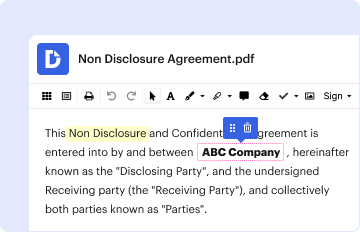
01. Edit your form online
Type text, add images, blackout confidential details, add comments, highlights and more.

Type text, add images, blackout confidential details, add comments, highlights and more.
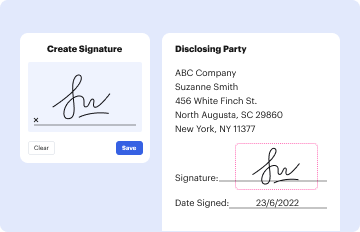
Draw your signature, type it, upload its image, or use your mobile device as a signature pad.

Send it via email, link, or fax. You can also download it, export it or print it out.
The CG6201 is a form associated with the U.S. Coast Guard, specifically focusing on guidelines for blood-borne pathogen exposure. This document provides necessary procedures and information for individuals potentially exposed to blood or body fluids during their services. It is crucial for maintaining health and safety standards within the Coast Guard, ensuring that all personnel are informed about risks and the steps they need to take in case of exposure.
The CG6201 serves as a comprehensive guide to ensure that individuals receive timely and adequate responses in scenarios involving biohazard exposure.
Filling out the CG6201 form involves several well-defined steps to ensure detailed documentation of the exposure incident. These steps are essential for accurate processing and include detailed narratives, providing a complete picture of the exposure scenario.
Document Exposure Details
Complete Patient Information
Record Symptoms and History
Assessment and Identification
By following these steps, users of the CG6201 form ensure that all relevant details are captured, which is critical for subsequent medical evaluations and reporting.
The CG6201 comprises several critical components that help in managing and documenting exposure incidents efficiently. Understanding these elements is fundamental for anyone responsible for completing this form.
Each element plays a vital role in effectively utilizing the CG6201 for ensuring health and safety standards are upheld.
Understanding the terminology associated with blood-borne pathogen exposure is crucial for anyone completing or reviewing the CG6201.
By familiarizing themselves with these terms, users of the CG6201 can more accurately interpret the form's requirements and guidelines.
The CG6201 carries significant legal implications for documentation and follow-up in cases of blood-borne pathogen exposure within the Coast Guard.
The form serves a dual purpose by providing a mechanism for both legal compliance and ensuring the health and safety of personnel.
The primary users of the CG6201 are U.S. Coast Guard personnel and their healthcare providers. The form is crucial for documenting exposure incidents to ensure that timely and appropriate medical follow-ups can be arranged.


Each user plays a role in the prompt and effective handling of exposure incidents, safeguarding the overall health environment within the Coast Guard.
Real-world application of the CG6201 involves various scenarios requiring detailed documentation. These examples illustrate the form's relevance and use.
These examples demonstrate the CG6201's applicability and function in ensuring that exposure incidents are appropriately managed and documented.
In conjunction with completing the CG6201, specific documents are necessary to support the comprehensive documentation of the exposure incident.
Ensuring that all required documents accompany the CG6201 is essential for a complete and accurate submission, facilitating effective management of health and safety procedures.
We've got more versions of the CG6201 form. Select the right CG6201 version from the list and start editing it straight away!
| Versions | Form popularity | Fillable & printable |
|---|---|---|
| 2009 | 4 Satisfied (26 Votes) |
At DocHub, your data security is our priority. We follow HIPAA, SOC2, GDPR, and other standards, so you can work on your documents with confidence.


