





Definition and Meaning of Online Forms
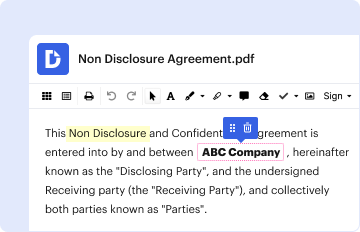
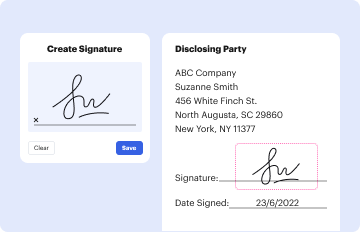
Online forms are digital versions of documents used for various purposes, such as applications, registrations, and data collection. These forms facilitate convenient interactions between users and organizations by enabling data entry through web interfaces. Given their accessibility via any internet-connected device, such forms are integral to modern workflows across multiple sectors.
Key Characteristics
- Accessibility: Available 24/7, offering the flexibility to complete from anywhere.
- Efficiency: Reduces time spent on filling and processing compared to traditional paper forms.
- Automation: Often integrated with data validation and submission workflows, minimizing errors.
How to Use Online Forms
The process for using online forms varies based on their design and purpose. Generally, successful usage involves accessing, filling out, and submitting the form without physical paperwork.
General Steps
- Access the Form: Visit the specific website offering the form or receive it via a secure link.
- Complete Required Fields: Enter information into text boxes, checkboxes, dropdowns, and other input fields.
- Review and Edit: Ensure all information is correct and conforms to specified guidelines before submission.
- Submit: Click the designated button to send the form, confirming your details for processing.
How to Obtain an Online Form
Online forms are typically housed on the provider’s website or distributed through direct links via email.
Acquisition Methods
- Direct Download: Available on the service provider’s platform, accessible to registered users.
- Email Links: Often circulated to targeted recipients in professional contexts.
- Embedded Forms: Sometimes integrated directly into email bodies or websites for instant completion.
Steps to Complete the Form Online
Completing an online form involves more than just data entry; it also requires attention to detail and adherence to specific instructions.
Detailed Procedure
- Register or Login: Create an account if necessary to access the form. Often ensures data security.
- Input Information: Carefully enter data into each field, using hints or instructions when available.
- Mandatory Fields: Ensure all required fields are filled; these are often marked with an asterisk (*).
- Attach Documents: Attach any necessary files if the form allows, such as identification or supporting documents.
- Final Review: Double-check entries for accuracy and completeness before submitting.
Why Should You Use Forms Online
Using forms online offers numerous benefits that enhance efficiency and effectiveness in data collection and processing.
Advantages
- Time-Saving: Reduces the need for physical meetings and mailing delays.
- Cost-Effective: Eliminates costs associated with printing and paper wastage.
- Environmentally Friendly: Promotes paperless workflows, aiding sustainability efforts.
- Enhanced Security: Often includes encryption to protect submitted data from unauthorized access.
Key Elements of Online Forms
Online forms come with various features that cater to their specific functions and user needs.
Common Elements
- Input Fields: Text boxes, radio buttons, and dropdown menus for diverse data types.
- Validation: Rules ensuring input accuracy, such as format checks for email addresses.
- Conditional Logic: Sections that appear based on prior responses, allowing dynamic form interactions.
- Submission Confirmation: Automatic messages indicating that the form has been successfully submitted.
Examples of Using Online Forms
Online forms are versatile tools deployed in a wide array of applications, from governance to commerce.
Real-World Applications
- E-commerce Platforms: Collecting customer shipping and payment details.
- Government Services: Online tax filings or voter registration processes.
- Education: Application and enrollment processes for schools and universities.
- Surveys and Feedback: Gathering consumer insights or employee feedback.
Digital vs. Paper Versions
While both forms have their place, digital forms often present clear advantages over traditional paper versions.
Comparisons
- Storage and Retrieval: Digital forms are easy to store and retrieve, aiding in efficient data management.
- Error Reduction: Built-in validation reduces errors prevalent in manual paperwork.
- Integration: Can be automatically processed within software systems, offering optimal tracking and analytics capabilities.
By understanding these aspects, users and organizations can maximize the benefits of online forms within their workflows, ensuring efficiency and accuracy in data collection and management.


