Definition and Meaning
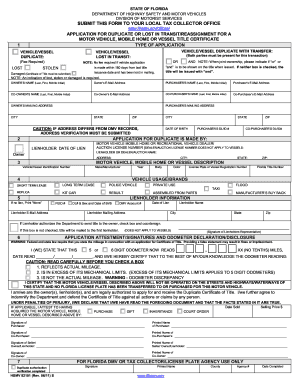
The "Grand Haven Department of Public Safety, Office of the Fire Marshal BB" form is a permit application used primarily for events that require the setup of temporary tents. This form serves a critical role in ensuring public safety by gathering necessary event details and enforcing fire safety regulations. Applicants using the form are required to provide extensive information, including event specifics, the tent company’s details, and agreement to abide by specific fire prevention guidelines. The form is an essential tool for the Office of the Fire Marshal in maintaining safety standards at public gatherings.
How to Obtain the Form
To obtain the "Grand Haven Department of Public Safety, Office of the Fire Marshal BB" form, you can visit the official website of the Grand Haven Department of Public Safety. The form can often be downloaded as a PDF, allowing for easy access and printing. Alternatively, you may request a physical copy by visiting the department’s office. It is important to ensure you have the latest version of the form to adhere to current regulations and requirements.
Steps to Complete the Form
- Gather Event Information: Include the date, location, and nature of the event. Ensure all event-related details are accurate to avoid delays.
- Provide Tent Company Details: Specify the tent supplier's information, including their contact details and any certifications they possess.
- Acknowledge Fire Safety Compliance: Read and agree to all fire prevention codes and conditions that apply to the use of temporary tents.
- Submit Permit Fee: Include the required permit fee with your application. This fee may vary, so check the latest guidelines.
- Prepare for Inspection: Once the form is submitted, a review and inspection by the Fire Marshal is necessary. Ensure readiness for this inspection to receive final approval.
Key Elements of the Form
- Event Details: Specifics about the event such as location, size, duration, and potential hazards.
- Tent Supplier Information: Identification and qualifications of the company providing the tent infrastructure.
- Safety Agreement: The applicant’s acknowledgment of understanding and agreeing to fire safety regulations.
- Plan Review and Inspection Sections: Information about the processes that ensure the event aligns with safety standards and the conditions under which approval can be granted.
Legal Use and Compliance
Legally, this form mandates compliance with regional fire safety regulations. The applicant must agree to the conditions that detail fire prevention practices, ensuring that the event setup does not pose a risk to public safety. Non-compliance with these regulations can result in penalties or denial of the permit application. Therefore, understanding and meeting the form’s criteria are crucial for legal operation.
Examples of Using the Form
Various events, such as outdoor festivals, markets, or temporary exhibitions, commonly use this form. For example, an organizer planning a local cultural festival may need to install several temporary tents. They would complete the form to provide detailed event schedules, layout plans, and safety measures, ensuring the event complies with fire safety standards.
State-Specific Rules
While general principles of fire safety apply, specific regulations and requirements may vary by state or local jurisdiction. Michigan, for example, may have different fire safety codes compared to other states. Understanding local regulations is critical when completing the form to ensure compliance with all applicable laws.
Important Terms Related to the Form
- Fire Marshal: The official responsible for enforcing fire safety regulations.
- Permit Fee: A charge applied for processing the application.
- Safety Codes: Regulations that outline required safety measures and practices.
- Plan Review: The process of evaluating the proposed plans for compliance before the event occurs.
Penalties for Non-Compliance
If an applicant fails to adhere to the stated requirements of the form, significant penalties may be enforced. This can include fines, the shutdown of the event, or legal action. Non-compliance can also affect the applicant’s ability to obtain permits for future events. Therefore, meticulous attention to detail and adherence to all specified conditions are advised.