



01. Edit your form online
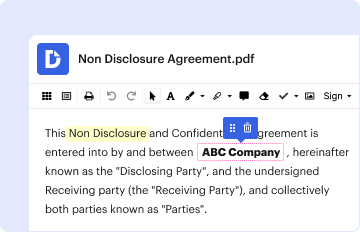
Type text, add images, blackout confidential details, add comments, highlights and more.

Type text, add images, blackout confidential details, add comments, highlights and more.
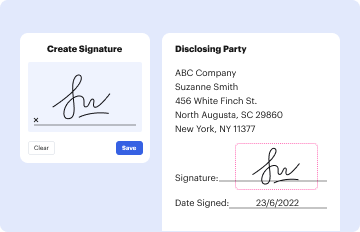
Draw your signature, type it, upload its image, or use your mobile device as a signature pad.
Send it via email, link, or fax. You can also download it, export it or print it out.
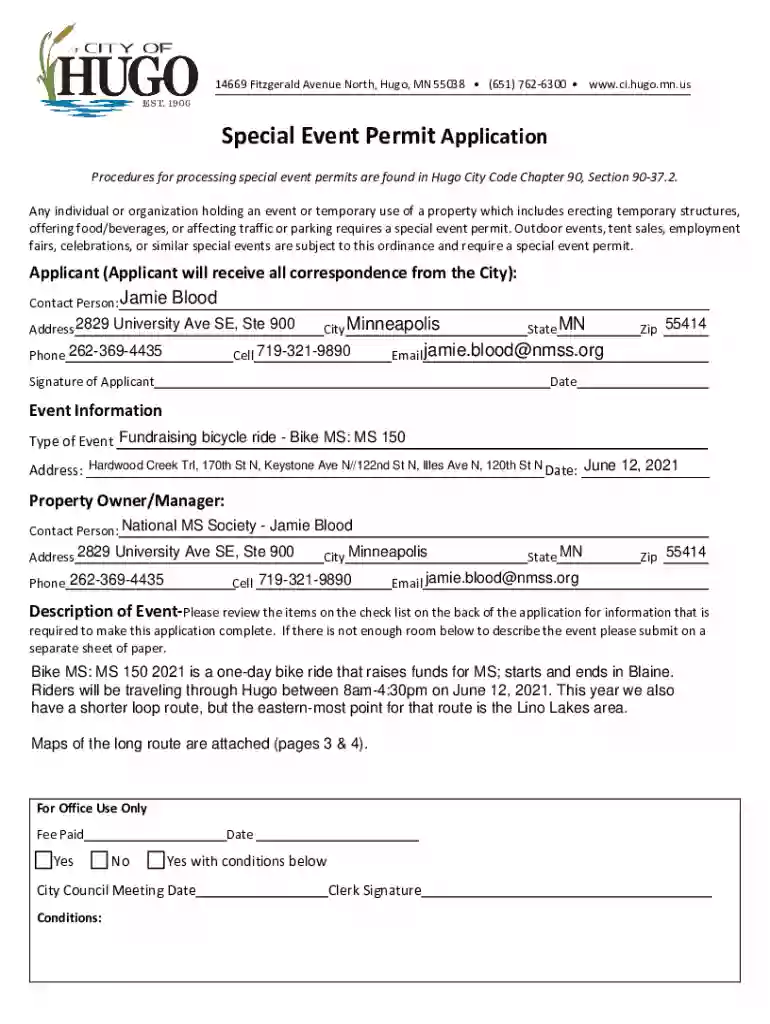
The "ci hugo mn uscouncilMayor and Council - City of Hugo" refers to the formal structure and governance body of Hugo, Minnesota. This entity encompasses the mayor and city council members who are responsible for legislative functions, such as creating and enforcing local laws, approving budgets, and overseeing city operations. The mayor typically acts as the head of the city’s government, while the council collaborates on policy-making. Understanding this organizational structure is essential for residents who wish to engage with municipal governance or participate in civic processes.
To effectively use the resources and benefits provided by the City of Hugo’s Mayor and Council, residents and stakeholders should familiarize themselves with the council's meeting schedules, agendas, and minutes. This ensures participation in discussions and decisions that affect the community:
Attend Meetings: Join council meetings virtually or in person to stay informed about current issues and initiatives.
Review Agendas: Access meeting agendas in advance to understand topics of discussion.
Submit Public Comments: Engage with the council by submitting questions or comments for consideration during public sessions.
Participating in or addressing matters with the council requires a straightforward approach:
Identify the Issue: Clearly define your concern or the topic you wish to address.
Research: Gather necessary background information, including previous council actions on related issues.
Prepare Documentation: Compile any documents or evidence supporting your stance or inquiry.
Register for Meetings: Sign up to speak at upcoming council meetings if required.
Present Effectively: Articulate your message clearly and concisely during the meeting.
Interacting with the city government fosters community engagement and accountability in governance. It empowers residents to:
Typical users include:


Understanding key terminologies enhances engagement:
Residents should be aware of the legal framework governing interactions with local government:
Minnesota state laws and local ordinances influence the operations of Hugo's city council:
Examples help illustrate engagement:
These sections outline the various aspects of interacting with the City of Hugo's legislative body, providing detailed and practical guidance for effective participation.
We've got more versions of the ci hugo mn uscouncilMayor and Council - City of Hugo form. Select the right ci hugo mn uscouncilMayor and Council - City of Hugo version from the list and start editing it straight away!
At DocHub, your data security is our priority. We follow HIPAA, SOC2, GDPR, and other standards, so you can work on your documents with confidence.


