Qualifying Patient - New Hampshire Department of Health and - dhhs nh 2026

Get Form
Qualifying Patient - New Hampshire Department of Health and - dhhs nh Preview on Page 1

Here's how it works

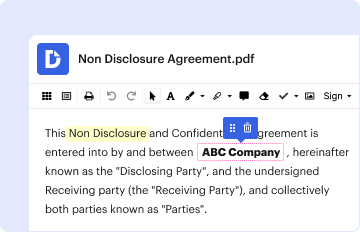
01. Edit your form online
Type text, add images, blackout confidential details, add comments, highlights and more.

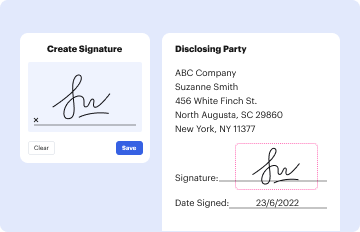
02. Sign it in a few clicks
Draw your signature, type it, upload its image, or use your mobile device as a signature pad.
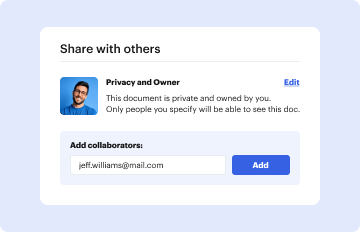
03. Share your form with others
Send it via email, link, or fax. You can also download it, export it or print it out.

Definition & Meaning

The "Qualifying Patient - New Hampshire Department of Health and - DHHS NH" form is an official document used within the state of New Hampshire for individuals seeking access to medical cannabis. This form is crucial for patients who wish to be considered for the Therapeutic Cannabis Program, as administered by the New Hampshire Department of Health and Human Services (DHHS NH). To qualify, patients must meet specific medical criteria and provide necessary documentation as outlined by the state’s health department. The form not only serves as an application for eligibility but also as a declaration of the patient's medical necessity for therapeutic cannabis.

How to Use the Qualifying Patient Form

To properly utilize the Qualifying Patient form, applicants must first ensure they meet all eligibility requirements set by New Hampshire's DHHS. The application involves completing various sections that include personal information, medical history, and a physician’s recommendation. Patients must:

  1. Download or obtain the form from the DHHS website or office.
  2. Fill out personal and medical information accurately.
  3. Obtain a certification from a licensed healthcare provider confirming a qualifying medical condition.
  4. Sign the completed form, ensuring all sections are correctly filled out.
  5. Review the form for any missing information before submission.

Applicants should keep a copy of the completed form for their personal records and reference.

Steps to Complete the Qualifying Patient Form

Completing the Qualifying Patient form involves several precise steps to ensure that all regulatory and legal requirements are met:

  1. Gather Required Documents:

    • Personal identification (e.g., driver’s license, state ID).
    • Medical records supporting the diagnosis of a qualifying condition.
    • Physician’s recommendation on the official letterhead.
  2. Fill Out Personal Details:

    • Full legal name, address, date of birth, and contact information.
  3. Medical Information:

    • Description of the medical condition.
    • Specific details required by your healthcare provider.
  4. Healthcare Provider Section:

    • Ensure your healthcare provider fills out and signs their section to certify your condition.
  5. Review and Sign:

    • Double-check all information for accuracy.
    • Applicant’s signature and date of submission.
  6. Submission:

    • Follow DHHS guidelines for submission either by mail or online.

Eligibility Criteria

To qualify for the Therapeutic Cannabis Program via the Qualifying Patient form, patients must adhere to specific eligibility criteria:

  • Must be a resident of New Hampshire.
  • Have a diagnosis of a qualifying medical condition, such as cancer, epilepsy, or multiple sclerosis.
  • Obtain certification from a health practitioner licensed in New Hampshire.
  • Complete and submit the form along with any required supporting documents within the specified deadlines.

These criteria ensure that only those with legitimate medical needs gain access to the program.

decoration image ratings of Dochub

Required Documents

Applicants must submit several documents in addition to the completed Qualifying Patient form. These include:

  • A valid New Hampshire state ID or proof of residency.
  • Medical records validating the diagnosis of an approved medical condition.
  • A signed statement from a certified health practitioner.
  • Application fee payment confirmation.

These documents must be up to date and accompany the form upon submission to avoid processing delays.

Application Process & Approval Time

The application process for the Qualifying Patient involves an organized sequence of steps:

  1. Preparation:

    • Gather all required documents and information.
  2. Completion of the Form:

    • Accurately fill out the form with all required information and signatures.
  3. Submission:

    • Submit the form and additional documents via mail or the DHHS online portal.
  4. Review Period:

    • The DHHS typically takes about 15 to 30 days to review applications.
  5. Notification:

    • Applicants receive confirmation of approval or denial via mail.
  6. Registry Identification Card Issuance:

    • Upon approval, a registry card is mailed, enabling legal purchase and use of medical cannabis.

Key Elements of the Qualifying Patient Form

The form is structured to capture comprehensive data critical for eligibility determination. Key elements include:

  • Applicant’s full name and contact information.
  • Detailed medical condition description.
  • Healthcare provider’s certification section.
  • Applicant’s declaration of residency and consent to program terms.
  • Agreement to adhere to state laws regarding cannabis use.

Each section must be filled out accurately to ensure successful application processing.

Legal Use of the Qualifying Patient Form

By completing the Qualifying Patient form, applicants identify themselves as seeking legal access to therapeutic cannabis under New Hampshire laws. Legal use includes:

  • Purchasing from state-approved dispensaries.
  • Using cannabis for treatment of listed medical conditions.
  • Complying with storage, transport, and consumption regulations as specified by the DHHS.

The form acts as a protected means to ensure that patients legally access necessary treatment options without violating state or federal laws.

State-Specific Rules for the Qualifying Patient Form

The form is tailored to fit the regulatory landscape and laws of New Hampshire:

  • Only certified New Hampshire healthcare providers can authorize medical cannabis recommendations.
  • State residency is a mandatory requirement.
  • Applicants must abide by New Hampshire’s specific cannabis possession and usage limits.

Understanding these state-specific rules is essential for compliance and ensuring eligibility.

See more Qualifying Patient - New Hampshire Department of Health and - dhhs nh versions

We've got more versions of the Qualifying Patient - New Hampshire Department of Health and - dhhs nh form. Select the right Qualifying Patient - New Hampshire Department of Health and - dhhs nh version from the list and start editing it straight away!
Versions Form popularity Fillable & printable
2021 4.8 Satisfied (217 Votes)
2015 4.1 Satisfied (37 Votes)
be ready to get more

Complete this form in 5 minutes or less

Get form

Got questions?

We have answers to the most popular questions from our customers. If you can't find an answer to your question, please contact us.
Contact us
Medicaid and the Childrens Health Insurance Program (CHIP) provide free or low-cost health coverage to some low-income people, families and children, pregnant women, the elderly, and people with disabilities.
Three states (New York, Minnesota, and Oregon) have Basic Health Programs (BHPs). BHPs are not the same as additional state-funded subsidies, but they provide very comprehensive health coverage, with free or very low premiums, to residents with income up to 200% of FPL.
The fee for not having health insurance (sometimes called the Shared Responsibility Payment or mandate) ended in 2018. This means you no longer pay a tax penalty for not having health coverage.
Average cost of health insurance by family size in New Hampshire. Health insurance in New Hampshire costs an average of $1,192 per month for a family of four. Health insurance costs more when the plan covers more people. For example, a 40-year-old couple pays an average of $745 per month for health insurance in NH.
Qualifying Symptoms Agitation of Alzheimers disease. Cachexia. Chemotherapy-induced anorexia. Constant or severe nausea. Elevated intraocular pressure. Moderate to severe insomnia. Moderate to severe vomiting. Seizures.

Security and compliance

At DocHub, your data security is our priority. We follow HIPAA, SOC2, GDPR, and other standards, so you can work on your documents with confidence.

Learn more
ccpa2
pci-dss
gdpr-compliance
hipaa
soc-compliance

People also ask

Contact the DHHS Customer Service Center toll-free at 1-844-ASK-DHHS (1-844-275-3447) (TDD Relay Access: 1-800-735-2964), Monday through Friday, 8:00 a.m. to 4:00 p.m. ET. Contact your local District Office. Visit Related Resources for additional eligibility information.
In 2014, changes in state law created the New Hampshire Health Protection Program (NHHPP), a Medicaid-funded health care program that expands coverage to low-income New Hampshire residents. The NH Health Protection Program allows many low-income Granite Staters to enroll in a health insurance plan at little or no cost.
Annual Household Income Limits (before taxes) Household Size*Maximum Income Level (Per Year) 1 $17,131 2 $23,169 3 $29,207 4 $35,2454 more rows

Related links