







Definition & Meaning
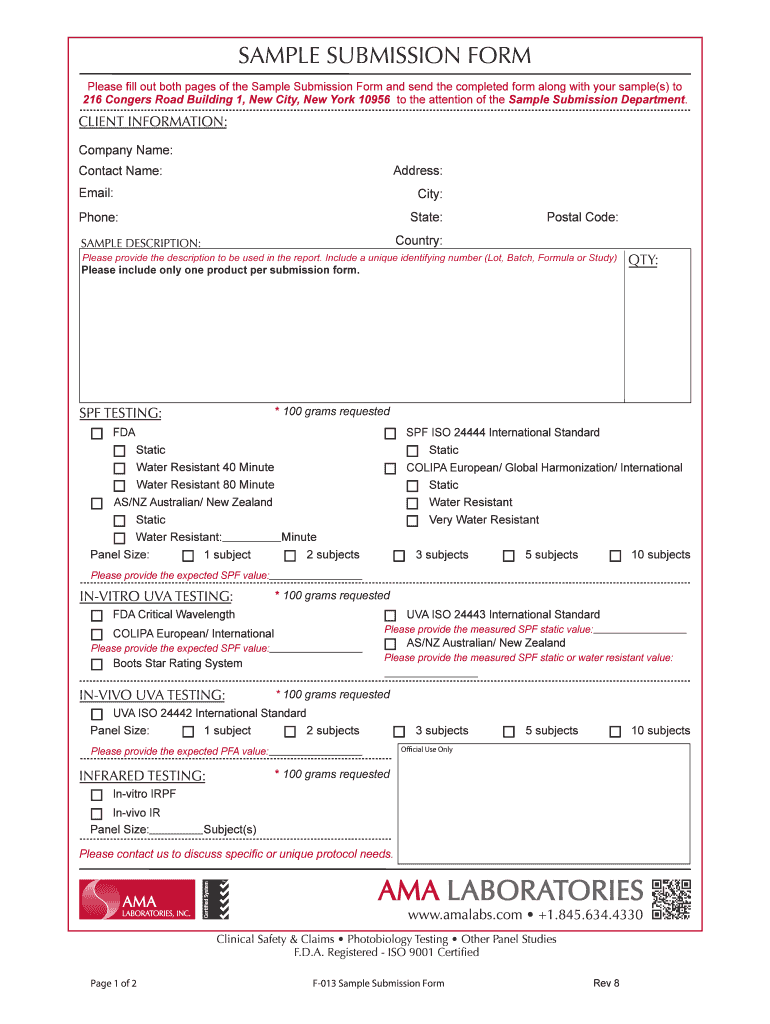
The Chain of Custody Form for Toronto Asbestos Sample Testing is a critical document used to track the handling and transfer of asbestos samples. This form ensures all necessary data is collected and verified for regulatory compliance and safety purposes. Accurate tracking is essential to demonstrate the legitimacy of the testing process and maintain the integrity of results. It records pertinent details, such as sample identification number, collection method, and chain of transfer among parties involved.
Importance of Chain of Custody
- Maintains Sample Integrity: Ensures that the sample remains uncontaminated and that results are reliable.
- Regulatory Compliance: Documented chain from collection to testing meets legal and regulatory standards.
- Evidence Preservation: In legal contexts, maintains that the sample has not been tampered with during all stages of handling.
- Quality Control: Facilitates accurate record-keeping for quality assurance in laboratories.
Steps to Complete the Chain of Custody Form - Toronto Asbestos Sample Testing
Completing the Chain of Custody Form involves a series of meticulous steps to ensure accuracy and compliance with asbestos testing standards.
-
Sample Identification:
- Assign a unique identification number to each sample.
- Record the collection date and time.
-
Collector Information:
- Include details of the person collecting the sample: name, position, and contact details.
-
Sample Collection Method:
- Specify the method used for asbestos sample collection.
- Detail the location of sample collection.
-
Transfer Details:
- Document each party involved in the transfer of the sample.
- Record the transfer date, time, and signatures of each recipient.
-
Testing Parameters:
- Indicate the tests required and specify any particular conditions or instructions.
-
Final Custodian:
- Identify the receiving laboratory and professional responsible for the final analysis.
-
Verification:
- Ensure all fields are completed and double-check for accuracy before submission.
Key Elements of the Chain of Custody Form - Toronto Asbestos Sample Testing
Sample Details
- Unique Identifier: Essential for tracking and retrieval of the sample.
- Collection Date and Location: Provides context and environmental considerations impacting the sample.
Transfer Log
- Custody Chains: Detailed list of hand-offs.
- Date & Time Stamps: Validates the chronological order of the sample journey.
- Authorized Signatures: Confirms responsibility at each stage.
Testing Instructions
- Specified Analyses: Identifies required tests and targeted results.
- Special Conditions: Notes any particular handling or storage specifications.
Who Typically Uses the Chain of Custody Form - Toronto Asbestos Sample Testing
This form applies to multiple stakeholders within asbestos testing and safety environments:
- Asbestos Abatement Professionals: To ensure safety and compliance during removal processes.
- Environmental Consultants: For comprehensive assessment and reporting.
- Health and Safety Officers: To regulate and monitor asbestos exposure risks.
- Laboratory Technicians: For managing sample integrity and accurate result reporting.


Example Use Cases:
- Construction Sites: Prior to renovations to assess any health risks.
- Real Estate Transactions: Ensure environments are free from contaminants.
Legal Use of the Chain of Custody Form - Toronto Asbestos Sample Testing
Using the form provides a defensible record under legal scrutiny, especially essential in litigation involving asbestos exposure. Accuracy and thorough documentation can offer protection and verify adherence to occupational health standards.
Legal Implications:
- Diligence Evidence: Proves compliance with environmental, health, and safety standards.
- Mitigation of Liability: Proper documentation can reduce potential penalties or legal claims.
- Regulatory Compliance: Meeting requirements is pivotal for continued operation and credibility.
State-Specific Rules for the Chain of Custody Form
Different jurisdictions may impose varied regulations, affecting how forms are completed and processed.
Considerations for Variations:
- Local Regulations: Familiarity with both federal and specific provincial rules is crucial.
- Reporting Standards: May differ in timeline, documentation, and procedural requirements.
- Certification Needs: State-specific certifications for handling asbestos might apply.
Software Compatibility and Integration
The form can seamlessly integrate with software solutions like DocHub for ease of use and improved workflow.
Benefits of Digital Utilization:
- Efficient Data Entry: Digital forms reduce errors and improve data input efficiency.
- Real-Time Updates: Immediate syncing and updates across involved parties.
- Secure Access: Encryption ensures data security and confidentiality.
- Compatibility: Works within existing document management systems like Google Workspace for easy sharing and collaboration.
Examples of Using the Chain of Custody Form - Toronto Asbestos Sample Testing
Practical scenarios showcase how the form is used in different settings.
Case Study 1: Abatement in Schools
- A local school undergoes renovations requiring asbestos removal. The form records all samples collected from different classrooms, verifying that potential exposure areas meet safety standards.
Case Study 2: Commercial Building Inspections
- A commercial real estate transaction involves pre-sale asbestos inspections. The form ensures all necessary tests were conducted accurately, providing peace of mind and transparency to buyers and sellers.
Why Should You Use the Chain of Custody Form - Toronto Asbestos Sample Testing
Employing this form offers assurance and accountability by methodically documenting every phase of sample handling.
Benefits Highlighted:
- Risk Management: Minimizes exposure to liabilities through documented compliance.
- Standardization: Creates consistent procedures across projects and teams.
- Professional Credibility: Demonstrates a commitment to accuracy and environmental safety standards.
More than just a procedural document, the Chain of Custody Form ensures that the management of asbestos samples adheres to best practices, ensuring accountability and compliance at every step.


