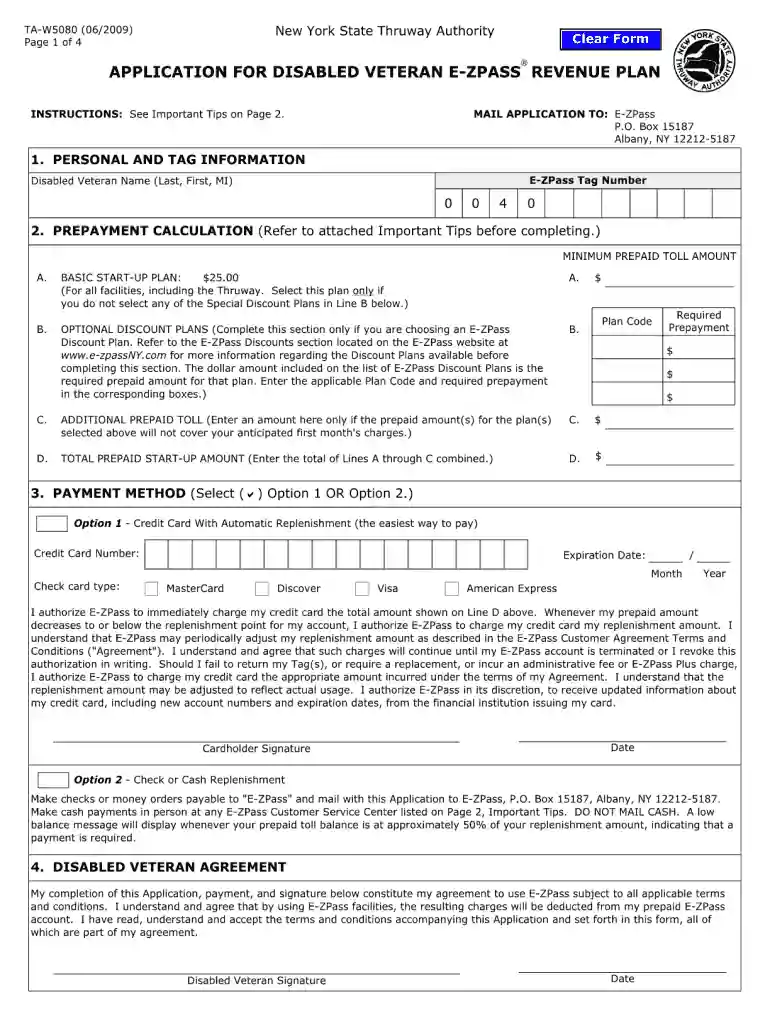
Definition and Purpose of the Easy Pass Application
The Easy Pass Application is a process designed to simplify electronic toll collection for drivers, primarily enabling them to pass through toll facilities without stopping. Easy Pass systems are often used on highways, bridges, and tunnels to enhance traffic flow and reduce congestion. By embedding a transponder in your vehicle, these systems automatically deduct toll fees from a prepaid account or charge them to a credit card.
How to Use the Easy Pass System
Using the Easy Pass system involves installing a small transponder device in your vehicle, typically placed on the windshield. Here’s a general guideline to using it effectively:
- Attach the Transponder: Follow the instructions to securely place the transponder on the windshield to ensure optimal signal reception.
- Load Funds: Ensure your account has sufficient funds or is linked to a valid credit card to handle toll charges.
- Drive Through Toll Booths: With an active Easy Pass, you can drive through dedicated electronic lanes without stopping.
- Monitor Usage: Regularly check account statements to review charges and replenish funds as needed.
Obtaining the Easy Pass Application
To get started with Easy Pass, you can usually obtain the application from the official state or regional transportation authority's website. Here are the general steps:
- Visit the Website: Access the official Easy Pass portal specific to your area or state.
- Fill Out the Application: Provide required details such as personal information, vehicle details, and payment method.
- Submit the Application: Submit the form online or, if applicable, mail it to the designated address.
- Receive the Transponder: Once your application is processed, receive the transponder and installation instructions.
Steps to Complete the Easy Pass Application
Completing the Easy Pass application requires careful attention to details. Follow these steps for a smooth process:
- Gather Required Information: Ensure you have your vehicle registration, driver’s license, and payment details ready.
- Access the Application: Visit the official site or the issuing agency to access the latest application form.
- Provide Accurate Information: Fill out the form accurately, covering all required fields like vehicle details, and select your payment preference.
- Review and Submit: Double-check the information, review terms and conditions, then submit the application.
- Install the Device: Upon approval, install the Easy Pass transponder following the provided guidelines.
Benefits of Utilizing the Easy Pass System
The convenience and efficiency offered by the Easy Pass system make it a popular choice for frequent drivers. Benefits include:
- Time Savings: Avoid lengthy queues at toll booths, which is especially useful during peak traffic hours.
- Cost Efficiency: Many toll systems offer discounted rates for Easy Pass users.
- Environmentally Friendly: Reducing idling at toll booths contributes to lower emissions and fuel waste.
- Account Management: Easily monitor toll expenses through online accounts, setting alerts for low balances.
Key Components of the Easy Pass System
Understanding the core aspects of the Easy Pass will help users utilize it effectively:
- Transponder: The primary device that communicates with the toll system while you drive through.
- Account Management: Online tools for monitoring balance, viewing transaction history, and managing settings.
- Customer Support: Access to assistance for troubleshooting, account inquiries, and service updates.
State-Specific Variations in Easy Pass Systems
Easy Pass applications and processes can vary slightly based on state or regional guidelines. Differences may include:
- Application Procedures: Specific forms and submission methods may differ.
- Fee Structures: Toll rates and potential discounts can vary by location.
- User Agreements: Detailed terms of service, including dispute resolution procedures.
Examples and Scenarios Involving Easy Pass
For different users, the Easy Pass system adapts to various scenarios:
- Commuters: Frequent highway users benefit from reduced travel times and costs.
- Fleet Operators: Businesses managing vehicle fleets use Easy Pass to simplify toll management across regions.
- Tourists: Visitors can obtain temporary passes for travel ease without committing to long-term accounts.
Addressing Common Concerns with Easy Pass
Questions often arise regarding Easy Pass usability and management:
- Account Security: Systems employ encryption and secure servers to protect user information.
- Transponder Malfunctions: Replacement policies and troubleshooting help are available to ensure devices function correctly.
- Privacy Issues: Information used respects privacy laws, and location tracking is limited to toll areas.