
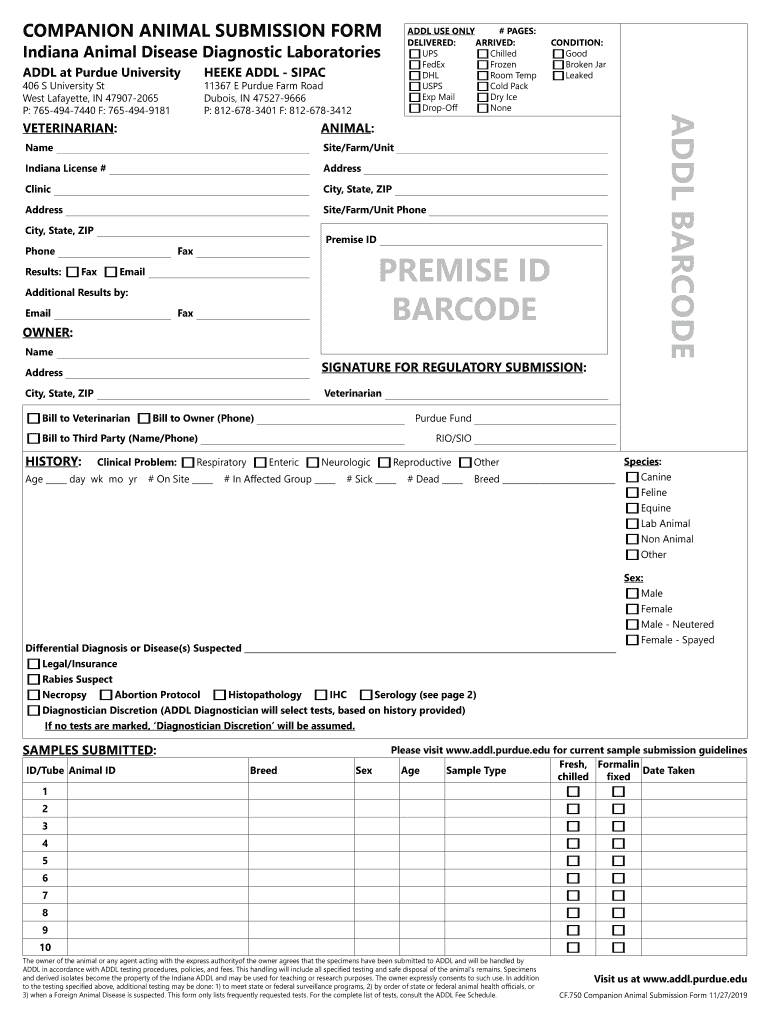







Definition and Purpose of the Animal Report Template
The "22 Printable Animal Report Template 4th Grade Forms" serves as a structured guide designed to assist elementary school students in creating comprehensive documents about various animals. This educational tool is tailored to align with the fourth-grade curriculum, encouraging students to explore and document factual information about different species. It helps improve research skills and reinforces key learning objectives such as categorization, habitat understanding, and vocabulary enrichment.
Key Features of the Templates
- Structured Sections: The templates include separate sections for different aspects of animal study, such as appearance, habitat, diet, and behavior.
- Visual Elements: Space for images or drawings, which helps students engage more creatively with the subject matter.
- Guided Questions: Prompts provided to direct research and organize information effectively.
How to Use the Animal Report Template
Using this template is designed to be straightforward. Students or teachers begin by selecting an animal. The template then guides the user through various segments that need to be filled out with researched data.
- Research: Begin by gathering information from various reliable sources such as books and educational websites.
- Fill Out Template: Use the template to systematically document findings. Each section corresponds to specific details about the animal.
- Review and Edit: Proofread the entries to ensure that information is accurate and clearly presented.
- Enhance With Images: Add relevant pictures or diagrams to visually complement the written information.
Examples of Practical Usage
- Classroom Project: Teachers use the templates as a part of a science unit on ecosystems.
- Summer Homework: Students may utilize these forms during breaks to keep engaging with educational content.
- Science Fairs: The forms help organize and present findings in a structured and appealing format.
Steps to Complete the Animal Report Template
Completing the "22 Printable Animal Report Template 4th Grade Forms" involves several organized steps. Here’s how to do it:
- Select an Animal: Choose an animal that interests you or fits within the assignment parameters.
- Conduct Research: Explore sources like encyclopedias, animal databases, and documentaries.
- Complete Each Section: Start filling in each part of the template with your findings, paying attention to maintain factual accuracy.
- Incorporate Images: Gather photos or drawings to enhance the report visually.
- Revise Content: Ensure all sections are complete, providing clear and concise information. Double-check for any factual errors or gaps in the data.
Importance of Using Animal Report Templates
Utilizing these templates provides several educational and developmental benefits:
- Enhances Research Skills: Encourages students to seek information actively and build research competencies.
- Promotes Structured Writing: Helps students learn how to organize information logically and cohesively.
- Increases Engagement: Interactive elements such as drawing sections make learning fun and engaging for younger audiences.
Educational Outcomes
- Develops Critical Thinking: Analyzing and summarizing information fosters higher-order thinking skills.
- Supports Curriculum Standards: Aligns with educational standards concerning informational texts and scientific inquiry.
Who Typically Uses the Animal Report Template?
The primary users are teachers and students within elementary educational settings, particularly those involved in science or reading curricula:
- Elementary Teachers: Incorporate the templates into lesson plans to reinforce animal biology topics.
- Fourth Grade Students: Utilize these templates as a scaffolded tool for assignments or projects.
- Parents: Assist children in completing homework assignments with structured guidance.


Additional Beneficiaries
- Homeschool Educators: Integrate the forms into diverse subject areas for a well-rounded educational approach.
Key Elements of the Animal Report Template
Each template is meticulously structured to ensure comprehensive coverage:
- Title Section: To name the document and the subject.
- Introduction to the Animal: Brief background and interesting facts.
- Physical Description: Details on size, color, distinctive features.
- Habitat and Range: Information about where the animal lives and its geographic distribution.
- Diet and Hunting Behaviors: Insights into what the animal eats and how it obtains food.
Supportive Content
- Predators and Threats: Any known dangers or environmental issues affecting the animal.
- Reproductive Habits: How the animal reproduces and caring for its offspring.
Form Variants and Alternatives
Understanding the variants and acceptable alternatives to the template ensures flexibility and adaptability across different educational settings:
- Digital Versions: Available in editable document formats like DOC or PDF for easy modification and printing.
- Analog Variants: Paper printouts for students lacking computer access or as back-ups for digital assignments.
Variations for Different Grades
- Simplified Versions: Adjusted templates with fewer sections for younger students or differentiated learning needs.
- Advanced Options: More detailed templates with space for additional data for advanced students or special projects.
Differences by State or School
Some differences might occur based on curriculum needs or state educational standards:
- State-Specific Linspace Requirements: Different states may have specific guidelines about what should be included in a fourth-grade science report.
- School District Customization: Templates can be tailored to meet particular district education program requirements or thematic focuses.
Examples of Adjustments
- Local Wildlife Focus: Encouraging study of animals native to students' regions.
- Curriculum Integration: Templates tailored to align specifically with state-standard learning goals.
Examples of Using the Form
Real-world examples can provide insight into potential applications and outcomes of using the template:
- Classroom Use: Students complete reports on various animals which are then presented and reviewed in-class for peer learning.
- Independent Projects: Initiatives where students pursue subjects of personal interest, enhancing engagement and intrinsic motivation to learn.
Considerations for Effective Use
- Encourage Creativity: Allow students to color and decorate their reports to increase personal investment.
- Facilitate Group Work: Use the template in collaborative group projects to develop teamwork skills.




