




Understanding Pop-Up Calendars in PDF Forms
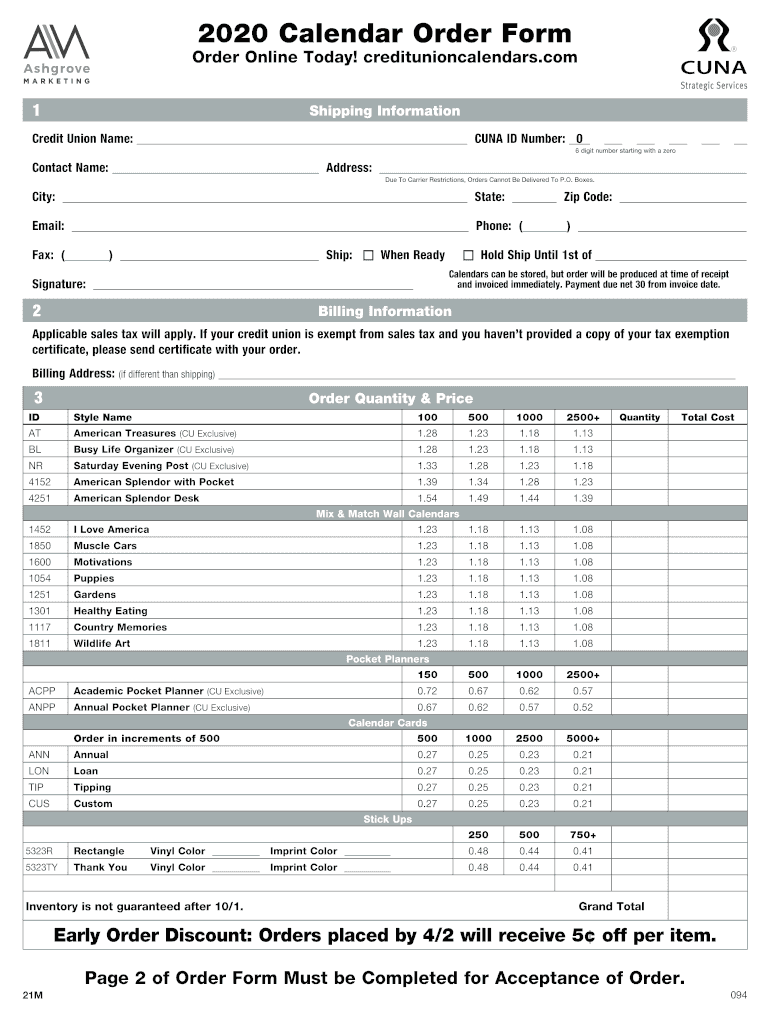
Pop-up calendars in PDF forms enhance user interactivity by providing an intuitive way to enter dates. This feature adds a layer of usability, improving accuracy and user satisfaction. Users can simply select dates from a calendar interface, reducing errors associated with manual date entry. The integration of pop-up calendars in PDF forms makes the document more professional and user-friendly.
Steps to Add a Pop-Up Calendar to a PDF Form
-
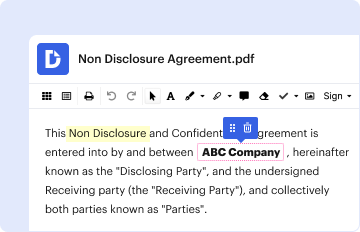
Open Your PDF Editor: Begin by opening the PDF form in a capable editor, such as Adobe Acrobat or DocHub.
-
Select Form Editing Tools: Navigate to the form editing or prepare form option.
-
Create a Text Field for the Date: Place a text field at the desired location in your form where the date will be entered.
-
Apply JavaScript for Calendar: Use JavaScript to attach a pop-up calendar to the text field. The script will generally involve setting an input field trigger to display the calendar.
-
Test the Calendar Functionality: Preview the form to ensure that the calendar pops up correctly and dates are entered as needed.
-
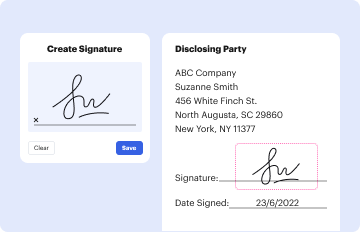
Save the Form: Once verified, save your form to lock in the changes.
Reasons to Implement a Pop-Up Calendar in a PDF Form
- Improves Accuracy: Users are less likely to make errors when selecting dates from a calendar.
- Enhances User Experience: A pop-up calendar simplifies the form-filling process by making it more interactive and engaging.
- Professional Appearance: Forms with advanced features like pop-up calendars appear more polished and functional.
Common Users of Pop-Up Calendars in PDF Forms
Individuals and organizations that frequently require date inputs in their documentation, such as businesses handling scheduling, appointment booking forms, or event planning, will find pop-up calendars particularly useful.

Key Elements of Pop-Up Calendars
- Trigger Field: The text field that users click on to activate the calendar.
- Calendar Interface: The visible calendar from which users select a date.
- JavaScript Code: Custom scripts used to create and manage the functionality of the calendar.
Legal Considerations When Using Pop-Up Calendars
- Data Accuracy: Improves compliance by ensuring accurate date entry.
- User Consent: Ensure users are aware of how their data will be used and stored.
- Accessibility Requirements: Consider accessibility standards, ensuring that all users, including those with disabilities, can use the calendar functionality.
Software Compatibility for Adding Pop-Up Calendars
Pop-up calendars can be implemented using various PDF editing software that supports JavaScript. While tools like Adobe Acrobat are commonly used, DocHub also offers capabilities for functional enhancements—though you may need to integrate with other tools for scripting.
Examples of Using Pop-Up Calendars in Real Scenarios
- Event Registration Forms: Streamline the process by allowing users to select event dates.
- Appointment Scheduling: Facilitate choosing from available slots with calendars.
- Project Management Documents: Enable date selection in timelines and schedules.
Differences Between Digital and Paper Forms
Digital forms featuring pop-up calendars offer interactivity that paper forms cannot match, providing a dynamic user experience and reducing entry errors through guided inputs.
Alternatives and Variations of Adding Pop-Up Calendars
- Built-in Calendar Widgets: Some PDF editors come with inbuilt widgets that simplify this process.
- Plugins and Add-Ons: Use third-party solutions to add enhanced calendar functionalities without coding.
- Manual Date Entry As Backup: Always provide an option for users to manually enter dates if needed.


