NON-PLAN CARE INFORMATION - oregon 2026

Get Form
NON-PLAN CARE INFORMATION - oregon Preview on Page 1

Here's how it works

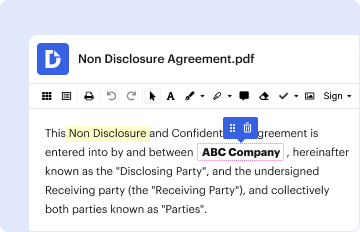
01. Edit your form online
Type text, add images, blackout confidential details, add comments, highlights and more.

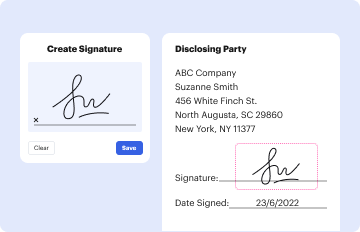
02. Sign it in a few clicks
Draw your signature, type it, upload its image, or use your mobile device as a signature pad.
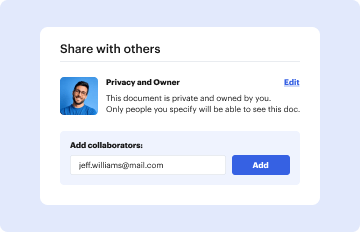
03. Share your form with others
Send it via email, link, or fax. You can also download it, export it or print it out.

Definition and Meaning of NON-PLAN CARE INFORMATION - Oregon

The "NON-PLAN CARE INFORMATION - Oregon" form is used by Kaiser Permanente to document care received outside of a predetermined health plan. This form is crucial for patients who have received medical services not covered by their regular health insurance plan, particularly when treatment is rendered by providers who are not within the Kaiser network. It aims to accurately collect details such as patient information, medical services received, and circumstances requiring non-plan care, ensuring a thorough understanding of the situation that necessitated services outside of the standard coverage.

How to Use the NON-PLAN CARE INFORMATION - Oregon

Utilization of this form is generally initiated by patients needing to report care received outside of their covered plan. Follow these steps for completion:

  1. Gather Information: Collect all pertinent details, including patient and subscriber information, treatment specifics, and healthcare provider data.
  2. Accurate Reporting: Ensure that all sections are filled out thoroughly to avoid processing delays.
  3. Review Coverage Terms: Familiarize yourself with the limitations regarding third-party and automobile-related injuries to understand what may or may not be reimbursed.
  4. Submit for Review: After completing the form, submit it to Kaiser Permanente for evaluation to determine eligibility for potential reimbursement or coverage.

Steps to Complete the NON-PLAN CARE INFORMATION - Oregon

When filling out the "NON-PLAN CARE INFORMATION - Oregon" form, consider the following sequence to enhance efficiency:

  1. Personal and Subscriber Information: Begin by entering all relevant personal identifiers, such as name, address, and membership ID number.
  2. Incident Details: Specify the date and nature of the medical incident prompting non-plan care.
  3. Provider Information: List the healthcare provider’s name, location, and contact information.
  4. Service Description: Detail the type of care provided, including procedures or treatments rendered.
  5. Signature and Certification: Confirm the accuracy of the information with a signature, affirming the truthfulness of the report.

Importance of NON-PLAN CARE INFORMATION - Oregon

This form plays a key role in clarifying reimbursement scenarios for healthcare outside of a standard plan, providing members with an opportunity to potentially recoup expenses. It is essential in ensuring that Kaiser Permanente has comprehensive data to make informed decisions regarding out-of-plan care requests and subsequent coverage or payment possibilities.

Key Elements of the NON-PLAN CARE INFORMATION - Oregon

  • Patient and Subscriber Information: Essential for verifying identity and membership with Kaiser Permanente.
  • Medical Incident Details: Critical for understanding the necessity of care outside the standard plan.
  • Provider Information: Identifies the external provider responsible for the care.
  • Procedural Details: Explains which treatments or services were administered and why.

State-Specific Rules for NON-PLAN CARE INFORMATION - Oregon

Oregon may have specific guidelines or exceptions with respect to out-of-plan care, particularly for coverage of emergency services or referrals. It is crucial for residents to be aware of these regulations to ensure that their form submission accounts for any state-specific nuances, particularly regarding what constitutes emergent or necessary unplanned care.

Examples of Using the NON-PLAN CARE INFORMATION - Oregon

Consider a scenario where an Oregon resident traveling out of state requires emergency treatment that their local, in-network providers cannot offer. By filling out the form with exhaustive details of the incident and care provided, the patient can seek reimbursement or understand any potential limitations on coverage effectively.

Who Typically Uses the NON-PLAN CARE INFORMATION - Oregon

This form is primarily used by Kaiser Permanente members who have sought medical treatment outside their regular provider network due to emergencies or specialized care needs. It is particularly relevant for those holding a Kaiser Permanente insurance plan in Oregon, where a detailed account of the non-plan care assists in determining coverage eligibility.


decoration image ratings of Dochub

See more NON-PLAN CARE INFORMATION - oregon versions

We've got more versions of the NON-PLAN CARE INFORMATION - oregon form. Select the right NON-PLAN CARE INFORMATION - oregon version from the list and start editing it straight away!
Versions Form popularity Fillable & printable
2015 4.8 Satisfied (40 Votes)
2000 4.1 Satisfied (27 Votes)
be ready to get more

Complete this form in 5 minutes or less

Get form

Got questions?

We have answers to the most popular questions from our customers. If you can't find an answer to your question, please contact us.
Contact us
The program has different names in different states. For example, in California, Medicaid is called Medi-Cal while in Kansas, its called KanCare.
DMAP pays health care costs for eligible low-income Oregonians, funded jointly through state and federal resources. DMAP is currently implementing a federal waiver demonstration project to expand the Medicaid program under the Oregon Health Plan, monitored by the Center for Medicare and Medicaid Services.
AllCare CCO provides Medicaid enrollees in Southern Oregon with great care thats less complicated.
In 2021, the Oregon Legislature passed HB 2362 to oversee health care consolidation, creating the Health Care Market Oversight (HCMO) program. This law directs the Oregon Health Authority (OHA) to review business deals involving health care entities, such as hospitals, health insurance companies, and provider groups.
Our health care plan combines the benefits of Medicaid and Medicare and adds extra benefits for anyone who qualifies for both plans. Click here to learn more about our plan, our benefits, prescription drug coverage, and to find out if you qualify.

Security and compliance

At DocHub, your data security is our priority. We follow HIPAA, SOC2, GDPR, and other standards, so you can work on your documents with confidence.

Learn more
ccpa2
pci-dss
gdpr-compliance
hipaa
soc-compliance