





Definition and Meaning
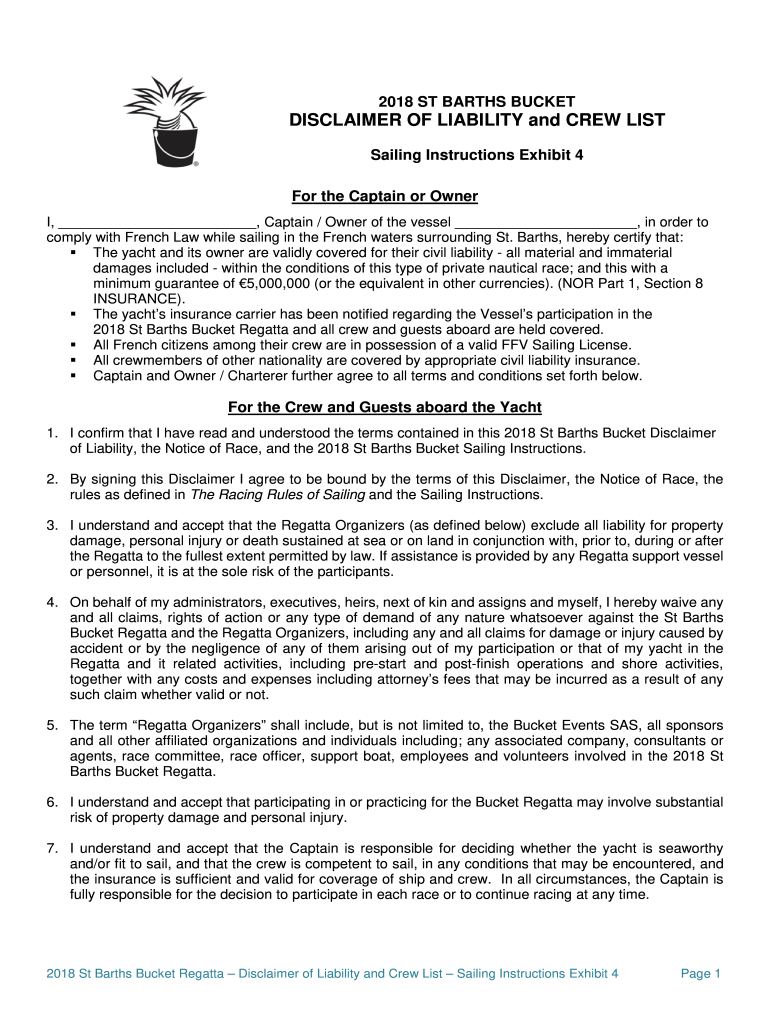
The "Certificate of the Ship's Owner or Representative and Crew Members Waiver" is a formal document used in maritime contexts, primarily for events or operations that involve vessels and their crews. This certificate often serves multiple purposes, including the verification of ownership, representation, and the waiving of certain liabilities or claims by the crew members. Its significance is grounded in legal compliance and safety assurance for maritime activities, ensuring that all parties are aware of their responsibilities and liabilities.
Core Components
- Owner Certification: Confirms the ownership or delegated representation of a vessel, ensuring the responsible party is accountable for the vessel's operations.
- Representative Details: Information on individuals who act on behalf of the owner, facilitating communication and decision-making.
- Liability Waiver: Crew members formally acknowledge and waive specific legal claims, often related to injuries or incidents during maritime events or operations.
Steps to Complete the Certificate
Filling out the "Certificate of the Ship's Owner or Representative and Crew Members Waiver" requires precision and thoroughness. Below is a step-by-step guide to ensure complete and accurate completion:
-
Enter Basic Information:
- Fill in the vessel's details, including its name, registration number, and homeport.
- Provide the owner or representative's legal name and contact information.
-
Ownership Verification:
- Attach documentation that verifies ownership or authorized representation, such as titles or legal appointments.
-
Crew Member Details:
- List all crew members involved, using legal names and crew positions. Each member must sign to acknowledge their understanding and agreement with the waiver conditions.
-
Waiver Clauses:
- Carefully review and complete sections related to liability waiving, ensuring each crew member fully understands the implications.
-
Submit and Store:
- Once fully completed and signed, submit the form as required and keep a copy for records and potential audits.
Key Elements of the Certificate
The certificate is structured to ensure all necessary components are captured efficiently. Understanding its essential elements is crucial for accurate completion:
-
Owner and Representative Fields: These sections capture the core information about ownership and representation, which serves to establish accountability. Specifics of authority or representation, if applicable, should be included here.
-
Detailed Crew Lists: A comprehensive and accurate listing of all crew members who are subject to the waiver, including their roles and contact information.
-
Risk Acknowledgment: Sections that outline the inherent risks of maritime activities and the accompanying waiver of claims.
-
Signatures and Dates: Critical for legal compliance; ensure all required signatures are obtained before stipulated deadlines.
Legal Use and Compliance
The legal application of the "Certificate of the Ship's Owner or Representative and Crew Members Waiver" ensures maritime operations adhere to regulatory requirements:
-
Waiver Implications: Legally binds the crew to the terms outlined, protecting the shipowner and organizers from potential liability claims.
-
Insurance Verification: This document may work alongside insurance policies to ensure all parties are covered and informed about their coverage status.
Compliance Tips
-
Consistency: Ensure that all recorded information matches official registration and crew records to avoid legal discrepancies.
-
Legal Advice: Consulting with maritime legal professionals can help clarify any complex clauses or ensure compliance with specific jurisdictional regulations.
Versions or Alternatives to the Certificate
In some situations, there might be different versions or alternatives to this waiver certificate depending on specific needs or organizational requirements:
-
Event-Specific Waivers: Some maritime events may have tailored documents that incorporate additional clauses specific to involved activities or unique event risks.
-
Standard Industry Waivers: Generic forms that might serve similar purposes but lack the specificity of a customized or event-specific waiver form.
Deciding on the Best Fit
-
Evaluate Needs: Thoroughly review operational or event-specific needs to determine if a standard or customized waiver is more appropriate.
-
Consult Industry Peers: Gathering insights from other maritime professionals can provide guidance on selecting the most effective form.
State-Specific Rules
While the certificate typically operates under general maritime law, certain states within the U.S. may have additional requirements or regulations:
-
State Compliance: Be aware of local maritime regulations that might affect how waivers are constructed or enforced.
-
Varying Liability Laws: State laws might influence the extent or enforceability of waiver clauses, impacting crew member protections and responsibilities.
Addressing State Variations
-
Research: Conduct thorough research into any state-specific maritime laws that might affect your forms.
-
Legal Counsel: Professional advice can guide compliance with intersecting state and federal maritime laws.
Important Terms Related to the Certificate
Understanding key terms associated with the "Certificate of the Ship's Owner or Representative and Crew Members Waiver" is essential for correct usage and completion:
-
Representative: Any individual authorized by the ship owner to act on their behalf.
-
Liability Waiver: A legal statement where involved parties relinquish the right to claim against possible risks inherent in maritime activities.
-
Crew List: A documented roster of all individuals who are involved in the operation or event related to the certificate.
Practical Application of Terms
-
Communication: Ensure clear communication of these terms to all involved stakeholders to prevent misunderstandings.
-
Training: Educate crew members on the implications of signing a waiver, focusing on their rights and any risks involved.
Who Typically Uses the Certificate
The certificate is widely used in various maritime sectors to address different needs:
-
Yacht and Boat Owners: Individual owners who regularly participate in regattas or similar maritime events.
-
Event Organizers: Entities that need to ensure all participant liabilities are addressed through standardized processes.
-
Shipping Companies: Corporate entities managing crews and operations where legal clarity around responsibilities and rights is essential.

Sector Utilization
-
Insurance Companies: Besides owners and organizers, insurers may require these forms as part of their assessment of risk and coverage eligibility.
-
Regulatory Bodies: Authorities may request this documentation to verify compliance during inspections or audits.