




01. Edit your form online
Type text, add images, blackout confidential details, add comments, highlights and more.

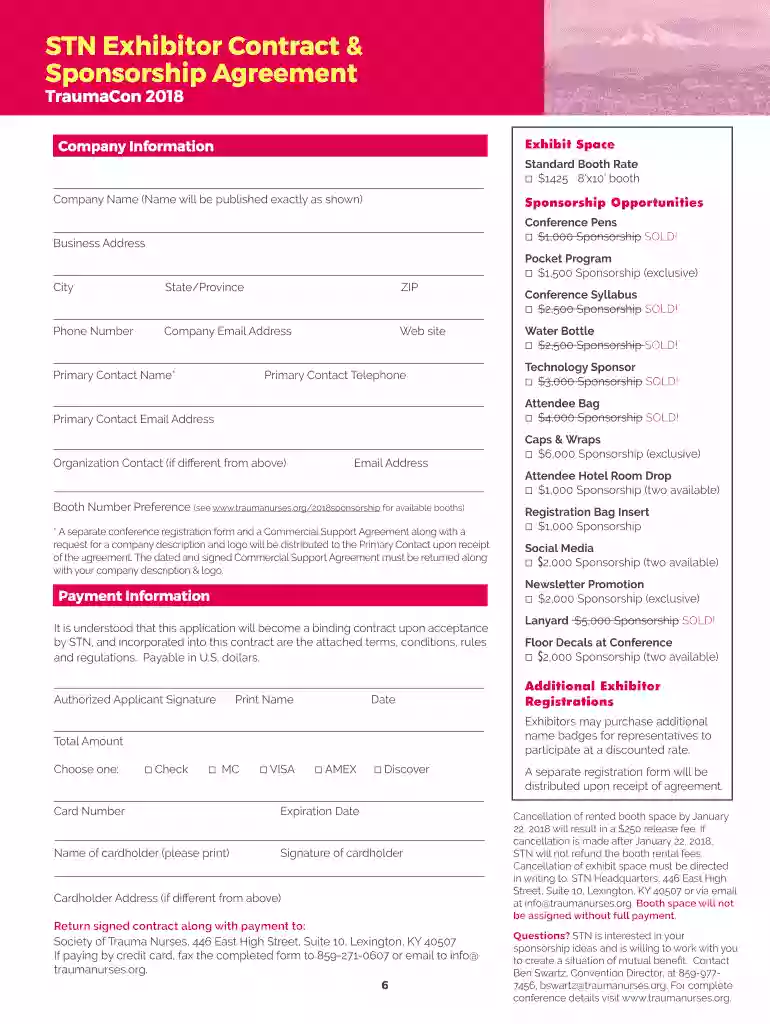
Type text, add images, blackout confidential details, add comments, highlights and more.

Draw your signature, type it, upload its image, or use your mobile device as a signature pad.

Send it via email, link, or fax. You can also download it, export it or print it out.
The phrase "members represent trauma nurses from around the world" pertains to a collective of professionals specializing in trauma nursing who unite globally to share knowledge, expertise, and best practices. These members often belong to organizations dedicated to advancing the field of trauma nursing, addressing both practical and academic needs.
Individuals or organizations may leverage the strength of a global network to:
Obtaining membership typically involves:
Each section is structured to provide comprehensive insights into the significance, process, and impact of representing trauma nurses from around the world, ensuring readers have a clear understanding of its practical applications and implications.
We've got more versions of the members represent trauma nurses from around the world form. Select the right members represent trauma nurses from around the world version from the list and start editing it straight away!
At DocHub, your data security is our priority. We follow HIPAA, SOC2, GDPR, and other standards, so you can work on your documents with confidence.
Sep 29, 2021 American Nurses Association (ANA) American Academy of Nursing International Council of Nurses National League for Nursing (NLN) Emergency
Mar 9, 2025 Moreover, her Adaptive Model has been expanded overseas, providing the opportunity for research collaboration between nurses around the world.
members represent trauma nurses from around the world. Members are nurses involved in trauma care in clinical, administrative, research and educational roles.


