




01. Edit your form online
Type text, add images, blackout confidential details, add comments, highlights and more.

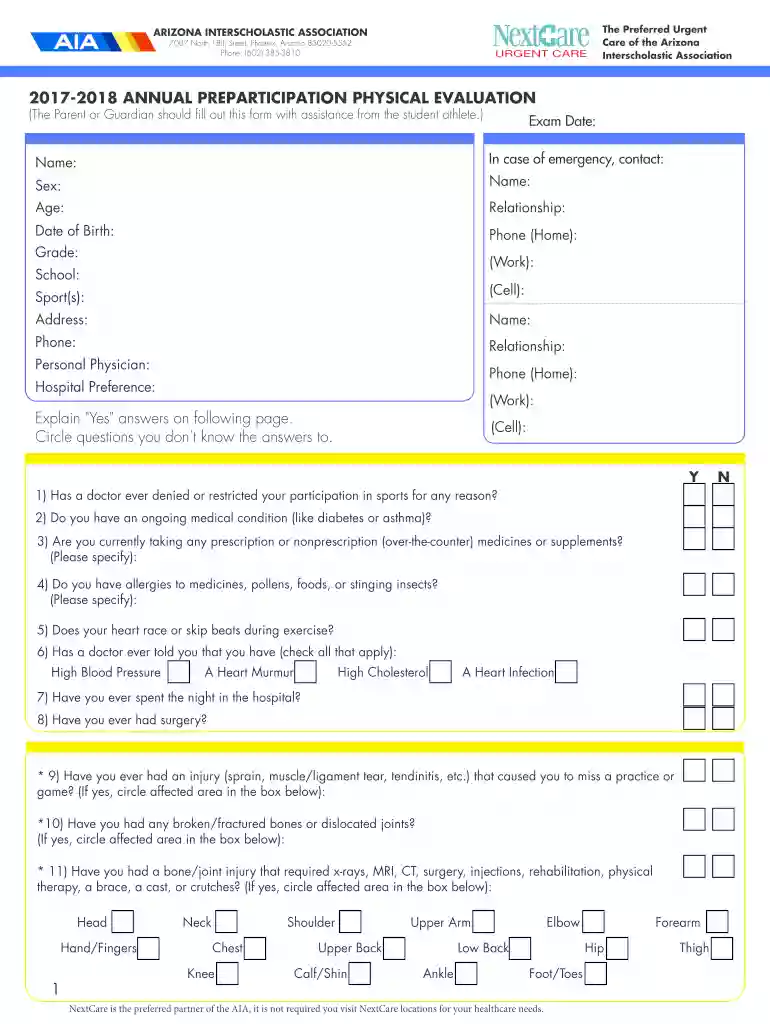
Type text, add images, blackout confidential details, add comments, highlights and more.

Draw your signature, type it, upload its image, or use your mobile device as a signature pad.

Send it via email, link, or fax. You can also download it, export it or print it out.
"Hand Fingers" could refer to a document or form used for specific purposes, possibly in a regulatory or compliance setting, though it is not an immediately recognizable term. Without a defined context, it is essential to clarify what "Hand Fingers" denotes in this scenario. Generally, forms like these serve as templates or records required for operational or legal matters, like employee onboarding, training certifications, or compliance checks. Understanding the precise function and intent of "Hand Fingers" is critical, as it guides users on how to complete and utilize the form effectively. Identification of its purpose aids in gathering the necessary information and understanding the implications of its accurate completion.
When completing the "Hand Fingers" form, following a structured process ensures accuracy and compliance. Start by reviewing the form’s requirements and preparing all necessary information and documents beforehand.
Information Gathering: Assemble details such as personal identification info or business data, depending on the form’s requirements. This might include names, addresses, or other specifics related to form completion.
Form Completion: Fill out sections as required. Ensure accuracy and clarity in each field. Double-check spelling and numerical entries like identification numbers or financial figures.
Verification: Review all entered information to confirm its correctness. Ensure that you have interpreted and completed every necessary part of the form.
Finalizing: Check for any required signatures or additional approvals. If the form is a digital document on platforms like DocHub, leverage features such as electronic signatures to streamline the process.
Submission: Follow specified submission guidelines. Whether online, via mail, or in person, ensure adherence to these instructions for successful form processing.
The type of individuals or entities needing the "Hand Fingers" form varies based on its application. Assuming this form is tailored for a specific compliance or operational use, common users may include:
Understanding typical users aids in tailoring guidance for completion and submission of the form, ensuring it meets the required goals and adheres to relevant regulations or policies.


Critical components of the "Hand Fingers" form include several essential elements that need special attention:
Accurate completion of these elements ensures the form fulfills its intended purpose, aligning with regulatory standards or organizational requirements.
Understanding the terminology associated with "Hand Fingers" is essential for proper utilization:
Familiarity with these terms enhances form completion efficiency and facilitates compliance with required guidelines.
Depending on the context, "Hand Fingers" may serve a legal function, requiring adherence to specific protocols for legitimacy. It is crucial to understand the legal implications, especially if the form involves contracts, confidentiality agreements, or compliance checks that necessitate rigorous adherence to legal standards.
Knowledge of these legal contexts ensures that users of "Hand Fingers" remain compliant with applicable regulations and standards.
State-specific regulations might influence how the "Hand Fingers" form is utilized and processed:
These variations necessitate an understanding of local regulations to ensure compliant use of the form.
Practical applications demonstrate how "Hand Fingers" is utilized:
These examples provide insight into the form’s versatility across different sectors, demonstrating its practical utility.
We've got more versions of the Hand Fingers form. Select the right Hand Fingers version from the list and start editing it straight away!
At DocHub, your data security is our priority. We follow HIPAA, SOC2, GDPR, and other standards, so you can work on your documents with confidence.
Mar 24, 2023 Hands represent our capacity for creativity, resilience, and connection. They embody the essence of human potential, standing testament to our ability to mould
The human hand is made up of the wrist, palm, and fingers and consists of 27 bones, 27 joints, 34 muscles, over 100 ligaments and tendons, and many blood


