HVAC Safety Check form (pdf) 2026

Get Form
HVAC Safety Check form (pdf) Preview on Page 1

Here's how it works

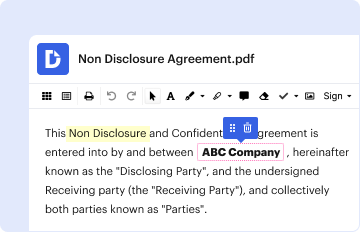
01. Edit your form online
Type text, add images, blackout confidential details, add comments, highlights and more.

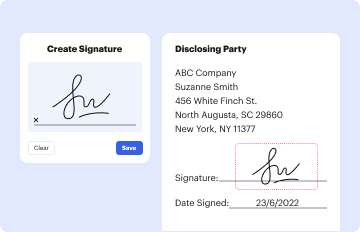
02. Sign it in a few clicks
Draw your signature, type it, upload its image, or use your mobile device as a signature pad.

03. Share your form with others
Send it via email, link, or fax. You can also download it, export it or print it out.

Definition and Meaning

The HVAC Safety Check form (pdf) is a comprehensive document used for conducting a performance safety check on Heating, Ventilation, and Air Conditioning (HVAC) systems. Specifically tailored for compliance with Truth-in-Sale of Housing (TISH) or Code Compliance in Minneapolis, this form plays a crucial role in verifying the operational safety and efficiency of heating systems. The form outlines mandatory inspections, tests, and certifications required to ensure HVAC systems meet local mechanical and fuel gas codes.

How to Use the HVAC Safety Check Form (pdf)

To use the HVAC Safety Check form (pdf) effectively, follow these steps:

  1. Gather Information: Begin by collecting all necessary data related to the HVAC system, including equipment specifications, installation details, and previous maintenance records.

  2. Conduct Inspections: Utilize the form to guide a thorough inspection of the HVAC system. This includes checking components like heat exchangers, burners, and ventilation pathways.

  3. Perform Tests: Follow the form's guidelines to perform essential safety and performance tests, such as flue gas analysis and combustion efficiency measurements.

  4. Record Findings: Enter results from inspections and tests directly into the designated sections of the form.

  5. Certify Compliance: Fill out the certification section to confirm that the system complies with relevant codes and standards.

Steps to Complete the HVAC Safety Check Form (pdf)

Completing the HVAC Safety Check form (pdf) involves a structured approach:

  1. Detail Collection:

    • List equipment details, including make, model, and serial number.
    • Include information about the installation date and any previous inspections or repairs.
  2. Verification of Safety Components:

    • Check functionalities of safety devices such as limit controls and thermostats.
    • Verify the condition of essential elements like fans and filters.
  3. Flue Analysis:

    • Perform a flue gas analysis to ensure proper combustion and ventilation.
    • Record oxygen, carbon monoxide, and other relevant gas levels.
  4. Final Certification:

    • Complete the contractor information section.
    • Sign and date the form to certify inspection and compliance.

Who Typically Uses the HVAC Safety Check Form (pdf)

The primary users of the HVAC Safety Check form (pdf) include:

  • HVAC Technicians: Professionals responsible for regular inspections and maintenance of heating systems.
  • Home Inspectors: Individuals conducting checks during property sales to ensure compliance with safety standards.
  • Property Owners: Those verifying the safety and efficiency of systems before a sale or rental agreement.
  • Regulatory Bodies: Agencies monitoring compliance with building codes and safety laws.
decoration image ratings of Dochub

Key Elements of the HVAC Safety Check Form (pdf)

Several key elements form the core of the HVAC Safety Check form:

  • Equipment Information: Detailed fields for specifying HVAC unit details like model and serial numbers.
  • Inspection Checklist: A comprehensive list for assessing various aspects of the system, such as burners and heat exchangers.
  • Testing Protocols: Sections dedicated to documenting results from safety tests and efficiency measurements.
  • Certification Fields: Roles for technician credentials and inspection certification, ensuring regulatory compliance.

Legal Use of the HVAC Safety Check Form (pdf)

In the U.S., the legal use of the HVAC Safety Check form is pivotal for:

  • Code Compliance: Ensuring all HVAC equipment operates within legal safety standards and codes.
  • Property Transactions: Providing proof of system compliance as required by law in property sales.
  • Audit Documentation: Serving as official documentation during audits by regulatory agencies to certify system safety.

Who Issues the Form

The HVAC Safety Check form (pdf) is typically issued by:

  • Local Government Agencies: Departments responsible for building code compliance.
  • Regulatory Bodies: Organizations overseeing compliance with safety and mechanical standards.
  • HVAC Associations: Industry groups providing standardized forms to ensure system inspections comply with best practices.

State-Specific Rules for the HVAC Safety Check Form (pdf)

Although this form applies broadly, each state may have unique requirements concerning HVAC checks:

  • Minnesota Regulations: Emphasis on compliance with local TISH and Code Compliance procedures.
  • Safety Codes: Adherence to specific state mechanical and fuel gas codes.
  • Documentation Standards: Variances in form submission and certification procedures depending on state laws.

Each selected block provides comprehensive content, ensuring thorough understanding of the HVAC Safety Check form's application, relevance, and significance within the U.S. context.

See more HVAC Safety Check form (pdf) versions

We've got more versions of the HVAC Safety Check form (pdf) form. Select the right HVAC Safety Check form (pdf) version from the list and start editing it straight away!
Versions Form popularity Fillable & printable
2016 4.8 Satisfied (160 Votes)
2012 4.4 Satisfied (281 Votes)
be ready to get more

Complete this form in 5 minutes or less

Get form

Security and compliance

At DocHub, your data security is our priority. We follow HIPAA, SOC2, GDPR, and other standards, so you can work on your documents with confidence.

Learn more
ccpa2
pci-dss
gdpr-compliance
hipaa
soc-compliance
be ready to get more

Complete this form in 5 minutes or less

Get form