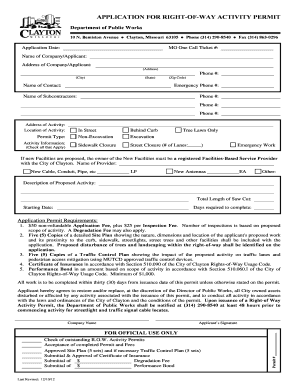
Definition and Meaning
The "ngintod" is a term that might refer to a specific form or process, although its precise definition is not commonly known. If it is a form, it likely serves a particular purpose in the context where it is used, whether in a legal, educational, or business environment. Understanding its specific function is crucial for proper application, which may involve collecting important details, providing necessary information compliance, or fulfilling regulatory requirements.
The significance of the "ngintod" hinges on its context. For instance, if it relates to a financial transaction, it might detail terms of the exchange, parties involved, and procedure compliance. If the term is associated with an application, such as for a grant or service, it might capture details necessary for evaluative purposes. If it serves a legal function, it might specify obligations, liabilities, or entitlements of the involved parties.
How to Use the Ngintod
Utilizing the "ngintod" begins with understanding its intended purpose. This form or process might involve filling out information accurately, which can range from personal details to specific data required for legal or procedural purposes. Understanding instructions provided with the document or by the institution that issues it is essential to ensure correctness.
Data entry on such forms typically requires accuracy to prevent any subsequent issues. Each section might be crafted to gather specific information, such as identification details, financial information, or commitments. Always ensure fields are completed as per the requirement, paying attention to mandatory fields that might have been specified as necessary.
Steps to Complete the Ngintod
- Review Requirements: Familiarize yourself with the instructions given for the "ngintod." This information might be on the form itself or supplementary guidance provided by the issuing authority.
- Gather Necessary Information: Before commencing, collect all required information and documentation. This might include identification numbers, financial details, or other relevant evidence that must be attested on the form.
- Fill the Form: Enter details accurately as per each section's requirements. Double-check for any fields that must be filled mandatorily, often marked by an asterisk or noted in the instructions.
- Verification: Once the form is completed, verify all details. Ensure there are no spelling errors or omitted information that could cause processing issues.
- Submission: Depending on the stated procedure, decide on the method of submission, whether it be mail, online forms, or in person. Follow directions meticulously, particularly around any deadlines.
Who Typically Uses the Ngintod
Understanding who typically engages with the "ngintod" hinges on its purpose. It might be a form employed by individuals, such as students, professionals, or beneficiaries engaging with an institution for services, benefits, or applications. Various entities, including educational institutions, financial services, or legal bodies, may incorporate this form as part of their processes.
Entities requiring specific information contracts with other parties often engage such forms to formalize instructions, expectations, or requirements. From small business owners to consultants, varied individuals or organizational structures might leverage this term to document necessary conditions or measures for various transactions or compliance needs.


Key Elements of the Ngintod
The "ngintod" might incorporate several elemental areas tailored to capture critical information relevant to its purpose. Key sections could include:
- Personal Information: Essential to identify the individual or entity involved.
- Purpose/Intent: Describes the reason for the form's submission, detailing context or situational needs.
- Details and Requirements: Detailed documentation, explanatory sections or questions critical to the form's objectives.
- Signatories/Involved Parties: Individuals or representatives whose endorsements or authorization are necessary.
- Declarations/Agreements: Sections requiring acknowledgment of conditions, terms, or legal compliance.
Each of these components plays a significant role in achieving the intended outcomes of the "ngintod," ensuring all necessary information is collected, agreed upon, or declared.
Important Terms Related to Ngintod
When addressing a document like the "ngintod," certain terms often become critical. Some essential keywords may include:
- Compliance: Adhering to guidelines or legal standards.
- Authorization: The formal endorsement required on the document.
- Confidentiality: An assurance of privacy regarding the information provided.
- Terms and Conditions: A formal framework under which the form operates.
- Deadlines: The defined timeline by which the form must be completed or submitted.
Understanding these terms will facilitate a smoother process, ensuring clarity in meeting all requirements expected from the "ngintod."
Legal Use of the Ngintod
The legal implications surrounding the "ngintod" focus on ensuring actions are conducted in adherence to legal standards. Each party must ensure accurate and truthful information is furnished, and any terms provided in the document are legally binding. Legal advice may be sought if any clauses within the document appear complex or unclear.
Additionally, the form might require formal identification verification or notarization, especially if it carries binding commitments, confidentiality agreements, or disclosure requirements. Always ensure comprehension of any legal obligations or recourse provided in the terms and conditions as agreed upon through the "ngintod."
Software Compatibility and Digital Utilization
In today’s increasingly digital landscape, the "ngintod" is often managed electronically, but software compatibility may still need consideration. Systems like TurboTax, QuickBooks, or specialized software might help manage these forms, depending on its nature and context.
Digital management ensures fluid completion, submission, and storage, but compatibility with existing systems or platforms used by the entity is pivotal. Understanding these software capabilities can facilitate unhindered interactions and foster efficient workflows, especially where repetitive completion, submission, or updates are necessary.