




01. Edit your form online
Type text, add images, blackout confidential details, add comments, highlights and more.

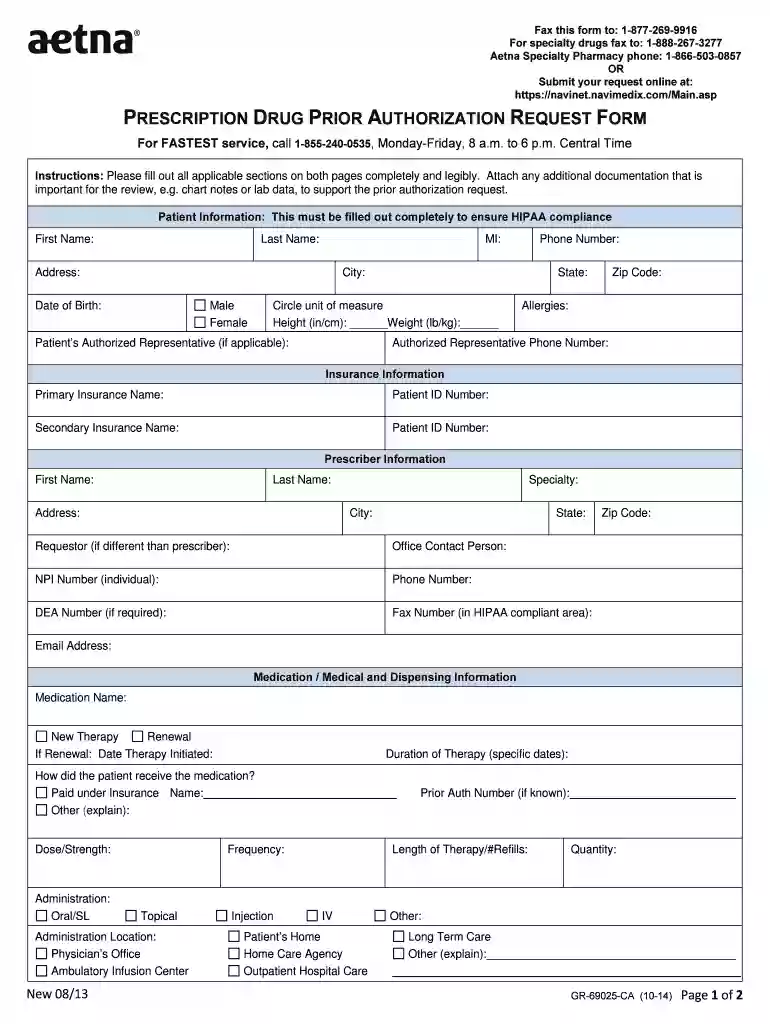
Type text, add images, blackout confidential details, add comments, highlights and more.

Draw your signature, type it, upload its image, or use your mobile device as a signature pad.

Send it via email, link, or fax. You can also download it, export it or print it out.
The "Vintage Handwritten Prescription Pill Box W B Brown" relates to a type of historical medical artifact, often characterized by its handwritten prescription labels and unique packaging. These items are typically associated with early pharmaceutical practices when personalized medicine was dispensed by local apothecaries. The focus is on the individuality of each prescription, hand-prepared by a pharmacist, reflecting a time when medication was less standardized than today.
Using these vintage pill boxes primarily revolves around the preservation and display rather than functional pharmaceutical use. For collectors and curators:
Acquiring these vintage artifacts requires careful consideration and authenticity verification. Steps include:
Each pill box contains unique features that make it a valuable collector's item:
These items attract a variety of collectors and historians:


Legal considerations for owning vintage prescription items are significant:
Understanding the terminology is important for both collectors and sellers:
These examples illustrate common contexts for employing these vintage boxes:
We've got more versions of the VINTAGE handwritten PRESCRIPTION pill BOX W B Brown form. Select the right VINTAGE handwritten PRESCRIPTION pill BOX W B Brown version from the list and start editing it straight away!
At DocHub, your data security is our priority. We follow HIPAA, SOC2, GDPR, and other standards, so you can work on your documents with confidence.
by N Fudge 2021 Cited by 7 We explore how safety is constructed and accomplished in community pharmacies in the context of polypharmacy.
Appearance Series of pharmacy labels housed in cardstock Klenzo atomizer box. Width. 5.75 inches. Height. 3 inches. Item: Pharmacy Note Holder. Accession
Oct 1, 2019 drug is required by writing directly on the face of the prescription Brand Necessary or Brand Medically Necessary in their own handwriting.


