Definition & Meaning
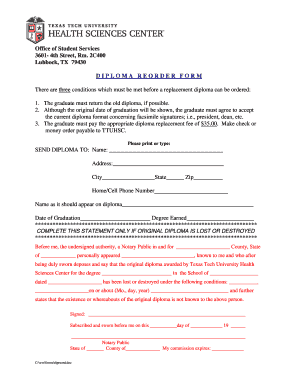
The term "(THIS APPLICATION IS GOOD FOR 60 DAYS AND SUBJECT TO CANCELATION)" refers to the duration and conditional nature of a specific application form. This means that once the application is submitted or obtained, it remains valid for a period of sixty days from the date of issuance. After this period, the application is subject to cancellation unless otherwise renewed or extended. Typically, this applies to forms that require timely actions or responses, ensuring that all information remains up-to-date and relevant for decision-making processes.
How to Obtain the Application
Obtaining this type of application involves accessing the relevant platform or source that issues it. In most cases, stakeholders can acquire the application through various methods:
- Online Platforms: Visit the issuing organization's website to download or fill out the application digitally.
- Mail Request: Some agencies may allow you to request the application be sent by mail.
- In-Person Collection: You can pick up the application at the respective office in person.
Ensure that you have the necessary information and documentation ready in order to expedite the process.
Steps to Complete the Application
Completing the application successfully requires careful adherence to the following steps:
- Read Instructions Carefully: Start by thoroughly reading any instructions or guidelines that accompany the application.
- Gather Required Documentation: Ensure that all necessary documents are available, such as identification, proof of eligibility, or additional forms specific to your situation.
- Fill Out the Form: Accurately complete all sections of the form. Double-check for any spelling errors or incomplete fields.
- Attach Documents: Attach any required documents to support your application.
- Review and Submit: Carefully review the entire form before submitting it, ensuring that all information is correct and that submission deadlines are met.
Legal Use of the Application
The legal use of this application form is primarily governed by state and federal laws. It is critical to use the application ethically and within the legal framework stipulated by the issuing authority. Common legal uses include applying for permission, licenses, or disclosures. Misrepresentation or fraudulent activities associated with the application can lead to legal penalties, including fines or disqualification.
Key Elements of the Application
The critical elements of this application form include:
- Applicant Information: Name, address, and contact details.
- Purpose and Scope: Clearly defined objective or reason for the application.
- Validity Period: Stated duration for which the application remains valid.
- Cancellation Terms: Specific conditions under which the application may be cancelled.
- Issuer Details: Information about the organization or entity issuing the form.
Examples of Using the Application
To illustrate how this application might be used, consider the following scenarios:
- Construction Permits: An individual needs to apply for a permit to conduct construction work on a property. The application is valid for 60 days, allowing time for the necessary approvals.
- Utility Services: A company applies for a temporary utility service during an event, and must complete any required installations within the 60-day validity.
These examples show how time-sensitive applications require adherence to specific dates to assure compliance.
Required Documents for Submission
When submitting this application, certain documents may be required to support your request:
- Proof of Identity: Such as a driver’s license or passport.
- Supporting Documentation: Based on the application’s purpose, like financial records for business applications or property details for real estate forms.
- Additional Forms: Any supplementary forms that provide more context for the application.
Double-check the application instructions to ensure all necessary documents are included.
Penalties for Non-Compliance
Failure to comply with the requirements and stipulations of this application can lead to several penalties:
- Loss of Opportunity: Possible denial of the application if submitted incorrectly.
- Monetary Fines: In cases where violations impact legal or regulatory criteria, fines may be imposed.
- Legal Action: Severe non-compliance, such as fraudulent submissions, may result in legal proceedings.
Ensuring timely and accurate application submission is essential to avoid these penalties.
Application Process & Approval Time
The typical process for application submission and approval involves:
- Initial Submission: Complete and submit the application within the valid period.
- Review by Issuer: The issuing entity evaluates the submission for compliance and accuracy.
- Request for Additional Information: If necessary, additional information or documentation may be requested.
- Final Decision and Notification: The issuer makes a decision and informs the applicant, often within a specified timeframe.
Approval times can vary, often depending on the complexity of the application and the workload of the issuing authority.
Versions or Alternatives to the Application
There might be different versions or alternatives to this application depending on its use case:
- Digital Forms: Available for online completion through secure platforms for quicker processing.
- Paper Versions: Traditional paper-based forms for areas with less reliable internet access.
- Alternative Forms: Specific variations tailored for different geographic areas or circumstances.
Understanding the appropriate version for your needs is crucial to ensuring successful submission.