



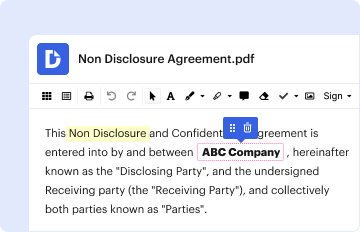
01. Edit your form online
Type text, add images, blackout confidential details, add comments, highlights and more.

Type text, add images, blackout confidential details, add comments, highlights and more.
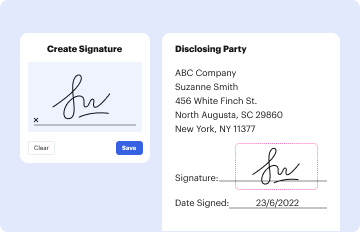
Draw your signature, type it, upload its image, or use your mobile device as a signature pad.

Send it via email, link, or fax. You can also download it, export it or print it out.
The Affidavit of Commissary for the City and County of Denver is a legal document that verifies food vendors operate within a licensed food preparation facility. This form is crucial for vendors, particularly those providing mobile or temporary food services, as it affirms compliance with local food safety regulations. By submitting this affidavit, vendors demonstrate that their commissary—the facility where food is stored and prepped—meets Denver's health and safety standards.
Using the Affidavit of Commissary involves several steps to ensure proper compliance with Denver's guidelines. Here's a breakdown of the process:
To obtain this affidavit, follow these steps:
Completing the affidavit involves a specific sequence:
This affidavit is primarily used by:
Mobile Food Vendors: Trucks and carts serving food in various locations.
Temporary Event Vendors: Booths or stands at festivals and fairs.
Caterers: Businesses preparing food offsite for events.
Facilitates regulatory compliance for various food service business models.
Ensures public health safety by enforcing food preparation standards.

Understanding key terminology is vital:
Commissary: Licensed facility for preparing and storing food.
Vendor: Business or individual engaging in food service operations.
Department of Environmental Health: The regulatory body overseeing food safety compliance.
Familiarity with these terms aids in understanding the form and its requirements.
The affidavit serves several legal purposes:
Compliance: Acts as proof of adherence to local health regulations.
Liability: Protects against legal issues by demonstrating effort to meet safety requirements.
Approval: Garner necessary approvals from multiple city departments.
Legal protection stems from accurate completion and submission of the affidavit.
To successfully complete and submit the affidavit, certain documents may be needed:
Commissary License: Proof of the commissary's legal operation status.
Business License: Recognition of the vendor as a legitimate business entity.
Health Inspection Reports: Recent reviews verifying sanitary compliance.
Have these documents ready to streamline the process.
Failure to comply with Denver's requirements can result in penalties:
Fines: Monetary penalties for operating without a valid affidavit.
License Revocation: Potential loss of business operating permits.
Operational Halts: Suspension of business activities until compliance is achieved.
Proactive compliance minimizes the risk of facing these penalties.
Denver, like other jurisdictions, has distinct rules:
Licensing Requirements: Differ from state to state, affecting commissary eligibility.
Health Standards: Local health departments have unique criteria for facility inspections.
Research state regulations and adapt practices to meet these requirements effectively.
We've got more versions of the Affidavit of Commissary - City and County of Denver form. Select the right Affidavit of Commissary - City and County of Denver version from the list and start editing it straight away!
At DocHub, your data security is our priority. We follow HIPAA, SOC2, GDPR, and other standards, so you can work on your documents with confidence.
City/county sales tax license: contact your local city/county taxation office. Get a sales tax license: you may be required to get a sales tax license from
by S Raher 2020 Cited by 47 Securus. Technologies. Telecom, tablets correctional banking. JPay (correctional banking). Satellite Tracking of People. (non-prison electronic.


