




01. Edit your medi cal provider training online
Type text, add images, blackout confidential details, add comments, highlights and more.

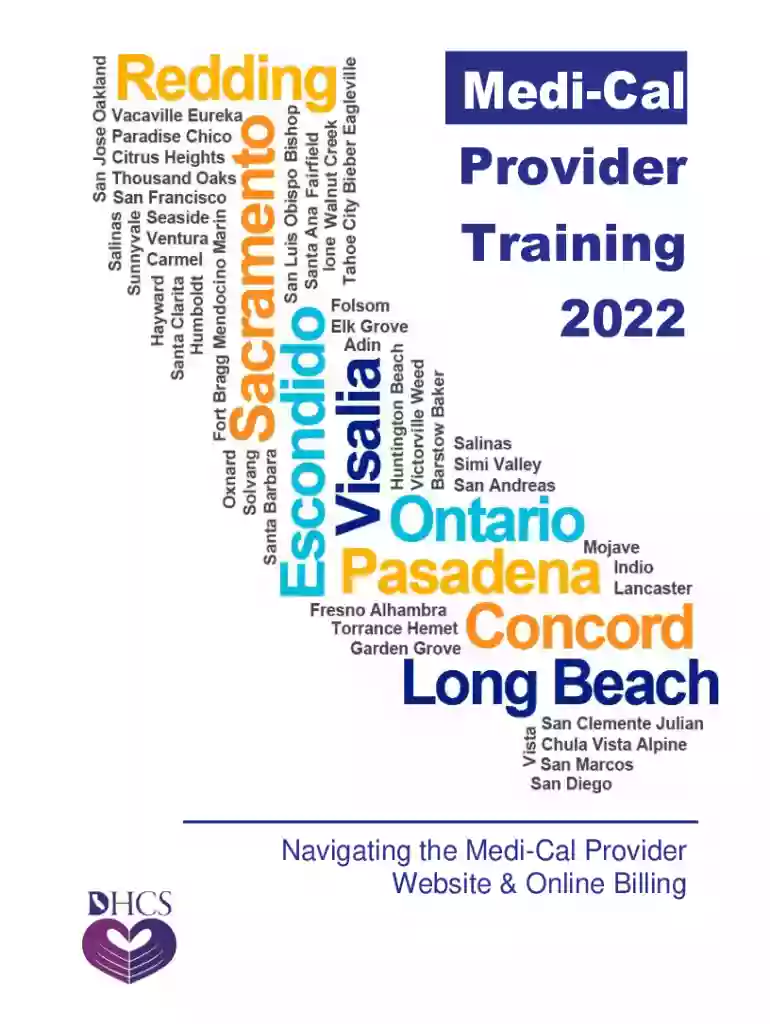
Type text, add images, blackout confidential details, add comments, highlights and more.

Draw your signature, type it, upload its image, or use your mobile device as a signature pad.

Send it via email, link, or fax. You can also download it, export it or print it out.
Medi-Cal provider training refers to the structured program aimed at educating healthcare providers on the requirements and processes associated with the Medi-Cal system in California. Medi-Cal is California's Medicaid program, offering health coverage to qualified individuals with low income. This training equips providers with the knowledge needed for effective participation in the program, enhancing their understanding of the claim submission, billing procedures, and various other aspects of interacting with the Medi-Cal system.
Trained providers can reduce errors in billing and claims, ensuring a seamless operation within the Medi-Cal system. This leads to improved efficiency and compliance with regulatory requirements.
Completing the Medi-Cal provider training involves several systematic steps that ensure comprehensive understanding and compliance.
After completing the training, providers are prepared to submit claims accurately, troubleshoot common issues, and utilize online tools efficiently.
The training covers a range of crucial topics designed to equip providers with the skills needed to navigate Medi-Cal's requirements.
Seminars are structured sessions offering in-depth coverage of the Medi-Cal system's intricacies, allowing for question-and-answer engagement and enhanced understanding.
Provider Field Representatives offer one-on-one support, assisting with specific provider needs to ensure comprehensive understanding and accurate application of guidelines.
Adherence to Medi-Cal regulations is vital for providers, and the training ensures that participants are fully informed about legal requirements and compliance expectations.
Providers must meet specific credentialing prerequisites before participating in the Medi-Cal system, a focus of the training to ensure seamless integration into the program.
Training includes the use of legally binding electronic signatures, crucial for submitting digital documents and ensuring the authenticity of online submissions.
Training can be accessed through a variety of formats, ensuring flexibility and convenience for all providers.
Providers can start their training journey by accessing the Medi-Cal Learning Portal, where numerous resources and modules are available for self-paced learning.
For a more interactive experience, providers can attend live seminars and workshops, where they can engage directly with experts and peers.
Understanding key terminology is crucial for navigating the Medi-Cal system effectively.
The training emphasizes the usage of annotations on documents to clarify processing instructions and highlight important information, an essential skill for effective documentation.
Training prepares providers to handle various practical scenarios efficiently.
A provider utilized training resources to refine claim submission processes, significantly reducing errors and claim rejections over a six-month period.
Applying billing procedural knowledge gained from training helped streamline operations, improved patient satisfaction, and enhanced compliance with Medi-Cal guidelines.
Medi-Cal training addresses technological tools and software compatibility to ensure providers can smoothly integrate their systems with the state's requirements.
Training materials are compatible with various formats and software, such as PDF and DOC, minimizing the need for additional software purchases or complex conversions.
Providers learn how to synchronize their existing systems with Medi-Cal's, ensuring seamless data transfer and efficient workflow management.
These detailed insights provide an extensive overview of the Medi-Cal provider training, emphasizing its importance, application processes, and the pivotal role it plays in maintaining an efficient and compliant healthcare system.
We've got more versions of the medi cal provider training form. Select the right medi cal provider training version from the list and start editing it straight away!
At DocHub, your data security is our priority. We follow HIPAA, SOC2, GDPR, and other standards, so you can work on your documents with confidence.
The Provider Relations Department provides support, education and training to Health Nets Medi-Cal provider network. 3131 Camino Del Rio North, Ste. 200.
This page contains links and publication dates for the Medi-Cal provider training workbooks. The workbooks should be used as a reference for training
UCSF Provider Training Resouce Links. ALAMEDA ALLIANCE Anthem Blue Cross Medi-Cal Enrollment Revenue Cycle About Leadership People Verifications.


