



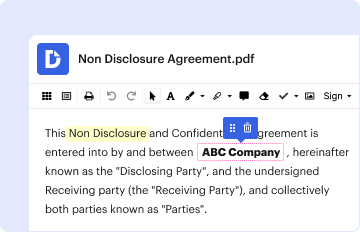
01. Edit your tceq industrial wastewater online
Type text, add images, blackout confidential details, add comments, highlights and more.

Type text, add images, blackout confidential details, add comments, highlights and more.
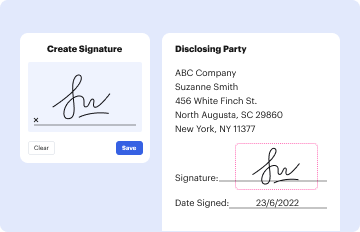
Draw your signature, type it, upload its image, or use your mobile device as a signature pad.

Send industrial report wastewater via email, link, or fax. You can also download it, export it or print it out.
The TCEQ Industrial Application is a critical form required for businesses seeking a permit to discharge industrial wastewater under the Texas Commission on Environmental Quality (TCEQ) guidelines. The application is designed to gather comprehensive information about the facility's operations, ensuring compliance with environmental regulations. Applicants must provide essential details such as facility descriptions, types of waste to be discharged, and environmental impact assessments. The primary goal of this application is to enable the TCEQ to evaluate potential risks to water quality and enforce strict standards to protect the state's water resources.
To effectively use the TCEQ Industrial Application, applicants should first review the specific requirements outlined by the TCEQ. This involves understanding various sections of the form, which cover facility information, pollutant characteristics, and proposed treatment systems. Applicants should prepare all necessary documentation, including maps, photographs, and operational descriptions, and be prepared to submit these as part of the application package. Each section must be completed with precision to avoid any delays in the permitting process, and applicants may need to consult with environmental experts to ensure accurate representation of their operations.
Compliance with legal guidelines is paramount when submitting the TCEQ Industrial Application. Applicants must assure adherence not only to state requirements but also federal environmental regulations. The Environmental Protection Agency (EPA) sets national discharge standards, which must be integrated into the application process. Additionally, legal obligations may include obtaining necessary certifications and operational permits. Familiarity with these legal frameworks is essential to avert potential fines or penalties.
The TCEQ Industrial Application mandates the submission of various supporting documents to provide a complete picture of the wastewater discharge scenario. Essential documents include:
Primarily, the TCEQ Industrial Application is utilized by businesses engaging in manufacturing, processing, or any industrial activities leading to wastewater generation. This includes sectors such as chemical manufacturing, food and beverage production, and textile industries. These businesses must apply for permits to legally discharge processed water into the state's water bodies, ensuring minimal environmental impact.


The application process begins with obtaining and completing the form, ensuring all necessary documentation is compiled and attached. Following submission, the TCEQ reviews the application for completeness and accuracy.
The approval time for the TCEQ Industrial Application can vary based on several factors, including application accuracy, completeness, and the complexity of the industrial operations. Typically, it may take several weeks to months for the TCEQ to process and approve an application. Consistent follow-up and communication with the TCEQ can facilitate a smoother approval process.
Non-compliance with TCEQ regulations can result in significant penalties. Businesses may face fines, mandated corrective actions, or even cessation of operations if industrial wastewater is discharged without proper permits. Therefore, understanding and adhering to all application guidelines is crucial for maintaining operational legality and protecting the environment.
We've got more versions of the tceq industrial wastewater form. Select the right tceq industrial wastewater version from the list and start editing it straight away!
At DocHub, your data security is our priority. We follow HIPAA, SOC2, GDPR, and other standards, so you can work on your documents with confidence.
Mar 21, 2025 Applying for a permit to a new hazardous waste facility or converting your registration for an interim status facility to a full permit.
This guidance document addresses the application of monitored natural attenuation (MNA) under the Texas Risk Reduction Program (TRRP). Specifically, this
Sector L of Industrial Activity - Landfills and Land Application Sites If the TCEQ provides for electronic submittal of NOIs and NECs, the application.


