






Understanding the Spain Visa and Its Requirements
The Spain visa refers to the various types of visas required for entry into Spain, depending on your nationality and the purpose of your trip. Spain is a member of the Schengen Area, meaning that it follows specific guidelines for visa issuance. There are several categories of visas you might encounter:
- Schengen Visa: Suitable for short stays up to 90 days for tourism, business, or family visits.
- Long-Stay Visa: For stays exceeding 90 days, often needed for work, study, or family reunification.
Types of Visa Applications
While applying for a Spain visa, understanding the various forms and requirements is essential.
-
Short-Stay Visa (Schengen Visa)
- Suitable for tourists and business travelers.
- Allows travel within the Schengen Area.
-
National Visas
- Required for long-term stays, such as studying or working.
- Each type varies based on the specific reason for the stay.
Essential Documents for Spain Visa Applications
To successfully apply for a Spain visa, several documents must be prepared and submitted. Commonly required items include:
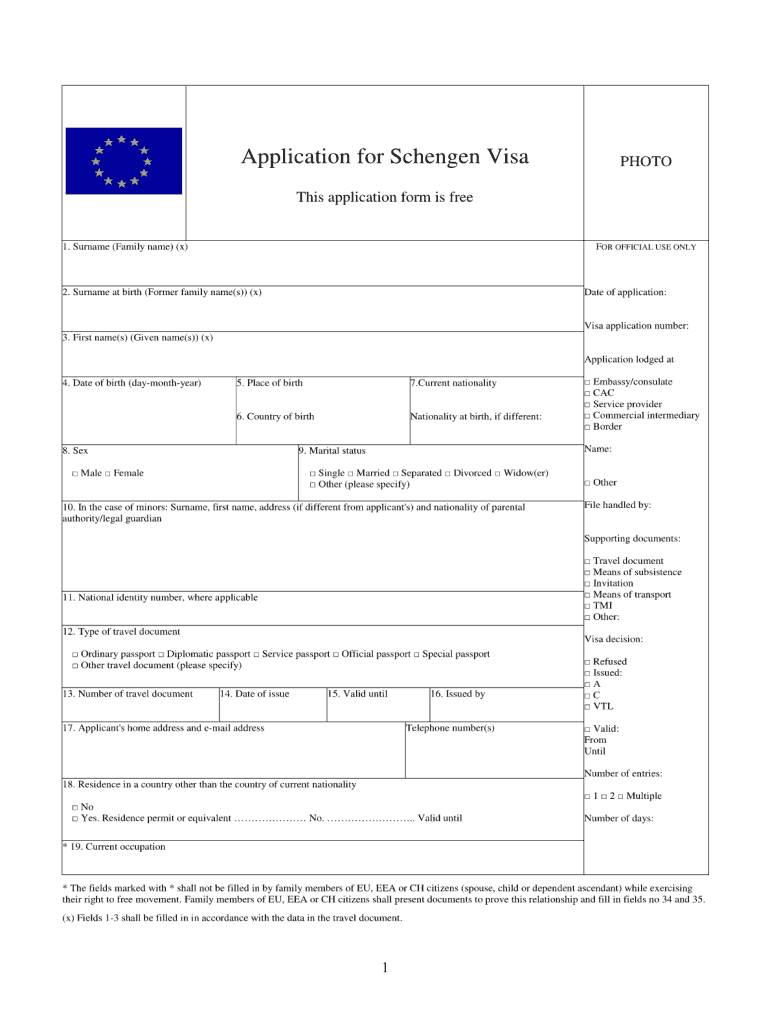
- Application Form: Completed Spain visa application form, which can be downloaded online or obtained from consulates.
- Passport: Valid passport with at least two blank pages and valid for at least three months beyond the intended departure.
- Photographs: Recent passport-sized photos meeting the Schengen requirements.
- Travel Insurance: Proof of health insurance covering at least €30,000 for medical emergencies.
- Financial Proof: Evidence of sufficient funds for your stay, such as bank statements.
- Travel Itinerary: Details of your travel plans, including accommodation and flight bookings.
Application Process for Spain Visa
- Select the Appropriate Visa Type: Determine whether a short-stay or long-stay visa is necessary based on the purpose of your visit.
- Gather Required Documents: Compile all necessary documents to avoid delays.
- Complete the Visa Application Form: Filling out the Spain visa application form accurately is crucial.
- Schedule an Appointment: You may need to book an appointment at a consulate or authorized agency for submission.
- Submit Application and Attend Interview: Submit your application package in person and, if required, attend an interview.
- Await Processing: The processing time can vary, so check this when applying.
Key Considerations for Applicants
- Timing: It's advisable to apply at least three months before your intended travel date.
- Application Fee: Be aware of the visa application fees, which vary depending on the type of visa.
- Biometrics: Some applicants may need to provide biometric data, such as fingerprints.
Common Mistakes to Avoid
- Incomplete Documentation: Ensure all documents are complete and meet the required criteria to avoid rejection.
- Late Applications: Submitting applications late can lead to missed travel dates.
- Ignoring Specific Requirements: Different visa types may have different requirements, such as additional documentation for students or employees.
Important Regulations Surrounding the Spain Visa
Spain, as part of the Schengen Area, adheres to strict regulations when it comes to visa issuance.
- ETIAS Requirement: As of 2025, travelers from visa-exempt countries will need to apply for an ETIAS visa waiver before traveling to Spain.
- Legal Compliance: Familiarizing oneself with the legal obligations associated with your visa type is essential to avoid immigration issues.
State-Specific Rules for Visa Applicants
While the general process is standardized across the Schengen Area, certain local regulations may vary by region in the United States. It’s important to check with the nearest Spanish consulate for any specific state requirements.
Practical Examples of Visa Scenarios
- Business Travel: A U.S. citizen attending a conference would need a short-stay visa. They would submit a letter of invitation from the conference organizer along with their application.
- Student Visa: An individual wishing to study in Spain would need to provide proof of enrollment from a recognized institution and sufficient funds to support their living expenses while studying.
Conclusion
Navigating the application process for a Spain visa can be complex, but understanding the requirements and following the steps carefully will facilitate a smoother experience. Always consult official sources or legal advisors for the most current regulations and procedures tailored to your specific situation.