




01. Edit your form online
Type text, add images, blackout confidential details, add comments, highlights and more.

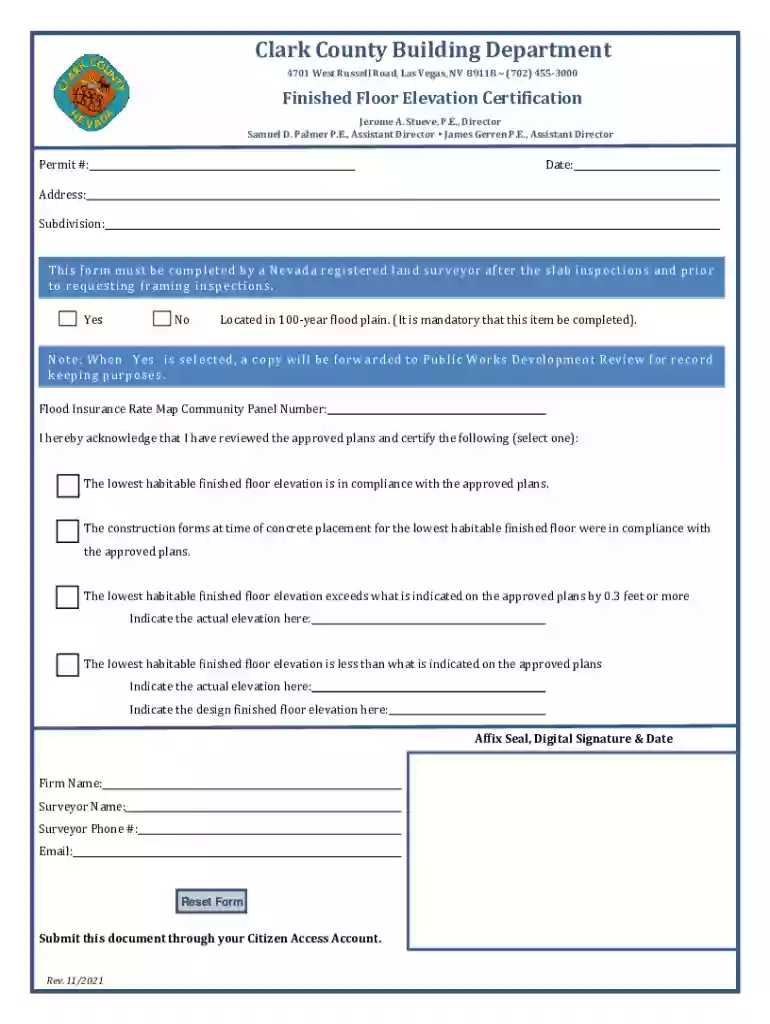
Type text, add images, blackout confidential details, add comments, highlights and more.

Draw your signature, type it, upload its image, or use your mobile device as a signature pad.

Send it via email, link, or fax. You can also download it, export it or print it out.
The "files clarkcountynv clarknv Building and FireFIRE PUMPS-NFPA 20 Danny Horvat, Asst Fire Chief" primarily refers to documentation related to fire pumps as per the National Fire Protection Association's standards, specifically NFPA 20. These documents are crucial for ensuring compliance with safety and installation standards for fire protection systems within building projects in Clark County, Nevada. They are overseen by officials like Danny Horvat, Assistant Fire Chief, who ensures these standards are adhered to during implementation and inspection processes.
To correctly utilize these files, stakeholders such as contractors, engineers, and fire safety officials should:
These practices help ensure safety by integrating national fire protection standards with local regulations.
Obtaining the necessary files involves:
Having these files ensures compliance with NFPA 20 standards in fire pump installations.
Completing these files entails several steps:
Ensuring all steps are followed closely is critical to receiving timely approval and certification.
Files related to NFPA 20 compliance are essential for:
Neglecting these requirements can lead to significant legal and safety issues.
These files typically include:
These elements collectively ensure that fire safety systems are appropriately installed and maintained.
Using these files legally involves:
Proper legal use safeguards against violations and fosters adherence to building and safety regulations.
Real-world scenarios for using these files include:
These examples underscore the files' role in maintaining public safety through regulated building practices.
We've got more versions of the files clarkcountynv clarknv Building and FireFIRE PUMPS-NFPA 20 Danny Horvat, Asst Fire Chief form. Select the right files clarkcountynv clarknv Building and FireFIRE PUMPS-NFPA 20 Danny Horvat, Asst Fire Chief version from the list and start editing it straight away!
At DocHub, your data security is our priority. We follow HIPAA, SOC2, GDPR, and other standards, so you can work on your documents with confidence.


