




01. Edit your nc mvr 2 pdf online
Type text, add images, blackout confidential details, add comments, highlights and more.

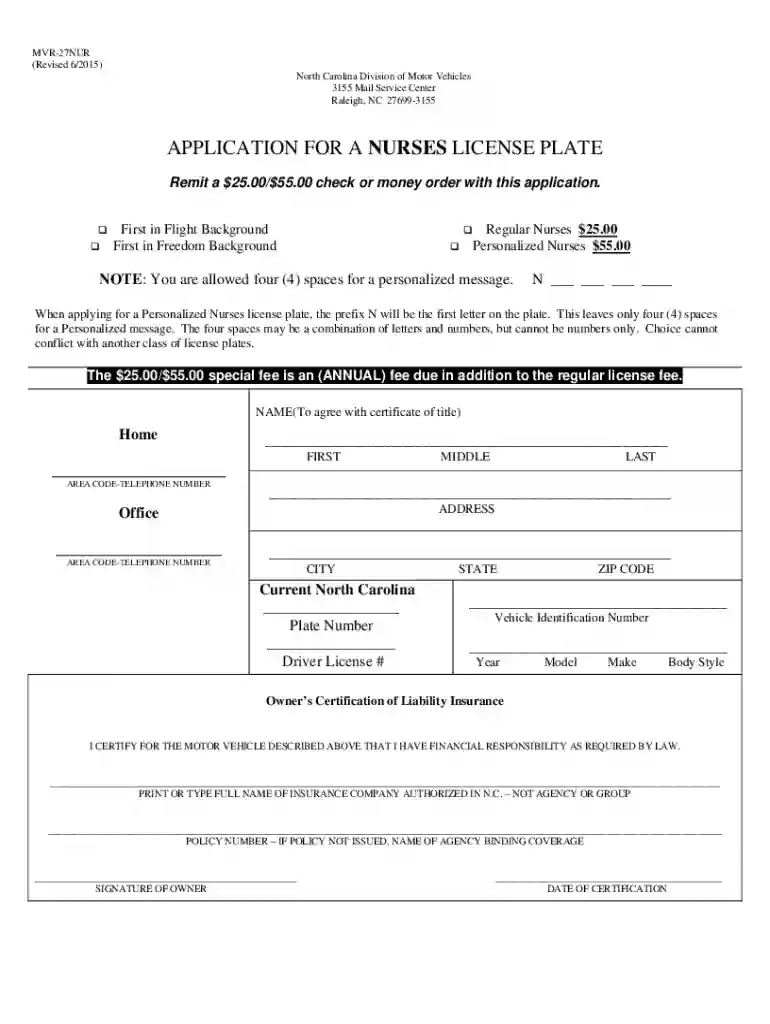
Type text, add images, blackout confidential details, add comments, highlights and more.

Draw your signature, type it, upload its image, or use your mobile device as a signature pad.

Send nc mvr 2 dealer s reassignment of title via email, link, or fax. You can also download it, export it or print it out.
The NC MVR-2 Dealer's Reassignment of Title form serves as a crucial document in the vehicle title transfer process in North Carolina. It is specifically designed for use by licensed vehicle dealers to record the transfer of a vehicle's title from one owner to another. This document is essential in ensuring that ownership of the vehicle is accurately documented, which is a critical component of vehicle registration and title validity.
When a dealer sells a vehicle, they must complete the MVR-2 to officially change the title from their inventory to the buyer. This form helps streamline the title transfer process, providing a clear paper trail for both the seller and the purchaser. It contains essential information such as the vehicle identification number (VIN), details about the previous owner, and information about the new buyer, which aids in the accurate record-keeping required by the North Carolina Division of Motor Vehicles (DMV).
Understanding the vital components of the NC MVR-2 form can help ensure its proper use. The form includes several sections that must be accurately completed:
Dealer Information: This section contains the name and address of the dealership, ensuring that the seller's details are clearly documented.
Vehicle Information: The specifications of the vehicle being sold are outlined here, including:
Title Transfer Details: This part includes the details of the transaction:
Signatures: Both the dealer and the buyer must sign the document, confirming the authenticity of the information provided and finalizing the transfer of ownership.
Ensuring that each field on the form is accurately completed is critical for avoiding potential issues with the DMV and ensuring a smooth title transfer process.
Filling out the NC MVR-2 form correctly requires attention to detail. Here is a step-by-step guide:
Gather Necessary Information: Before beginning, collect all required details, including the vehicle's VIN, make, model, registration details, and buyer's contact information.
Fill Out Dealer Information Section: Input the dealership’s name, address, and license number in the designated fields to validate the dealer’s authenticity.
Complete Vehicle Information: Accurately describe the vehicle, including the VIN, make, year, model, and odometer reading at the time of sale. This should reflect the condition of the vehicle as it is sold.
Indicate Previous and New Owner Details: In the title transfer section, provide the previous owner's details as well as the new buyer's information. This must contain the complete name and address to avoid any future discrepancies.
Signatures: Once all sections are filled out, both the dealer and the buyer must sign the form. This step is essential as it indicates agreement and acknowledgment of the terms of the sale.
Submit the Form: After completing the form, the dealer must submit it to the DMV along with the appropriate fee for titling, ensuring that the new owner receives their title without delay.
Adhering to legal requirements is paramount in the title transfer process. Here are some key compliance factors to consider:
Timely Submission: The MVR-2 form must be submitted to the DMV within a specific timeframe following the sale to avoid potential penalties or complications with title transfer. Staying informed about these deadlines can help streamline the process.
Accurate Odometer Readings: Under the law, providing a false odometer reading can lead to severe penalties. Ensure that the recorded odometer reading accurately reflects the vehicle's mileage at the time of sale.
Indicate Lien Status: If there is a lien on the vehicle, this should be declared on the form, as it affects the title transfer and ownership status. Buyers must be clearly informed if any outstanding liens are attached to the vehicle.
Several scenarios can arise during the use of the NC MVR-2, each necessitating careful handling:
Transfer Between Dealers: Dealers may need to transfer titles between locations or establish ownership for inventory purposes. The MVR-2 facilitates a legal record of these transactions.
Sales to Individuals: When a dealer sells a vehicle to a private buyer, accuracy in completing the MVR-2 is critical to protect both parties' legal interests.
Reassignment of Titles: The form can also be used when a vehicle has been sold multiple times, allowing for a clear and organized record of ownership history.
While the NC MVR-2 form is unique to North Carolina, each state has its own regulations concerning vehicle title transfers. Familiarity with these can prevent issues:
Variations in Documentation Requirements: Some states may require additional documentation alongside the MVR-2, such as emissions certification or a bill of sale. Always check local regulations for any special conditions.
State Vehicle Taxes: Sales taxes may differ by state, and dealers should ensure they are collecting and remitting the correct tax based on the vehicle's sale price and the law in the state where the vehicle is being sold.
Understanding these regulations ensures legal compliance and aids in a smoother title transfer.
We've got more versions of the nc mvr 2 pdf form. Select the right nc mvr 2 pdf version from the list and start editing it straight away!
At DocHub, your data security is our priority. We follow HIPAA, SOC2, GDPR, and other standards, so you can work on your documents with confidence.


