




Definition & Meaning
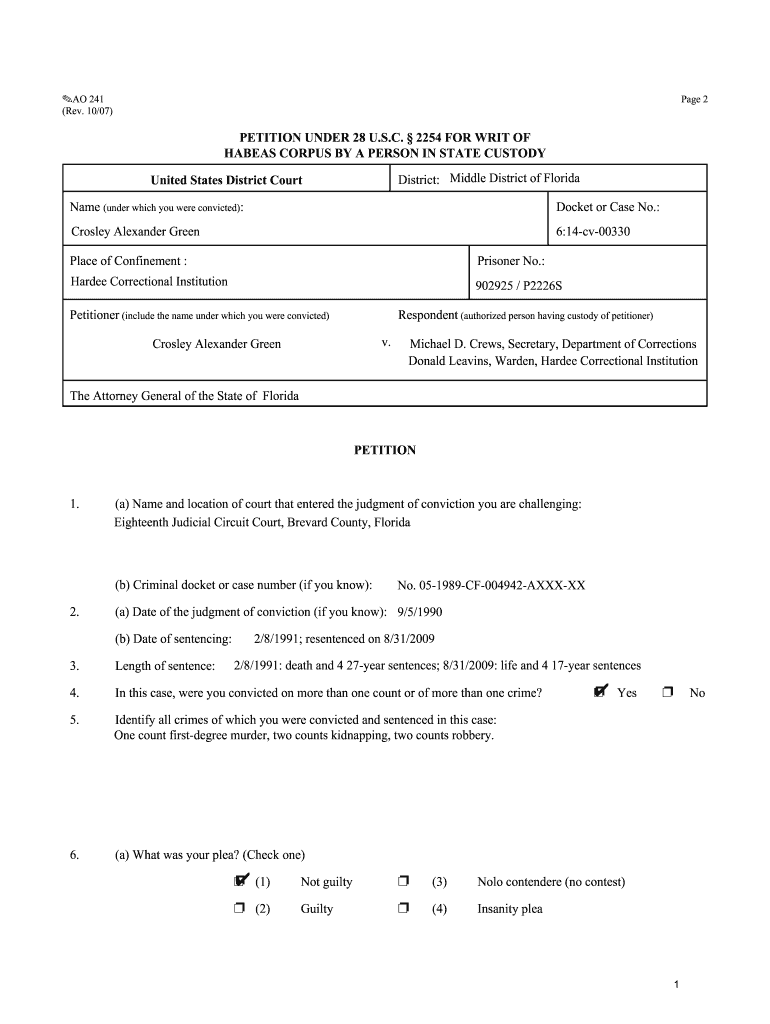
The term "Petition - Crowell and Moring" refers to a specific legal document typically associated with legal cases and procedural filings. It involves the process of formally requesting the court or legal authority to consider or act on specific grievances or requests related to a case. In context, this petition may involve matters handled by the law firm Crowell and Moring, which provides legal services across various practice areas. Understanding the petition's definition is crucial in grasping its applications, implications, and how it fits into the broader legal framework.
How to Use the Petition - Crowell and Moring
To effectively use the Petition - Crowell and Moring, one must follow the structured steps of filling out and submitting the document appropriately. First, identify the specific purpose of the petition, ensuring alignment with legal standards and pertinent issues. Next, carefully complete all sections of the form, providing detailed information, supporting evidence, and any necessary legal references. Submission involves ensuring all supporting documents are attached and that the forms are filed in the correct jurisdiction. Legal advice or consultation with professionals at Crowell and Moring may facilitate accurate completion.
How to Obtain the Petition - Crowell and Moring
Acquiring the Petition - Crowell and Moring typically involves accessing the relevant form from legal sources or entities associated with the law firm. It may be available through the firm’s website or by contacting their office for direct distribution. Additionally, legal repositories or court websites might provide access if the petition is related to publicly managed cases. This accessibility ensures that individuals and legal entities can complete the petition process as required.
Steps to Complete the Petition - Crowell and Moring
-
Initial Review: Begin by reviewing the petition requirements, including all instructions and guidelines. Understanding what information and documentation are necessary will streamline the entire process.
-
Gather Information: Collect all required personal information, case details, and supplementary documents. This step involves identifying any legal statutes or precedents relevant to the petition.
-
Complete the Form: Carefully fill in the petition form, ensuring precision in detail and clarity of intent. Pay attention to required sections, particularly those involving legal arguments or requests.
-
Attach Supporting Documents: Ensure all accompanying documentation is organized and attached as per the instructions. Include any forms of evidence or additional statements that bolster the petition.
-
Review and Submit: Conduct a thorough review to eliminate errors or incomplete sections, then submit the petition through designated channels, such as online portals, mail, or direct handover to the concerned legal authority.
Legal Use of the Petition - Crowell and Moring
Legal usage of the Petition - Crowell and Moring involves deploying it within legal frameworks to advance cases, lodge formal complaints, or seek judicial review. This utility underscores its role as a tool for accessing legal recourse in instances where judicial intervention is imperative. It is pertinent in various legal fields, including criminal law, civil rights, and corporate law, where Crowell and Moring specialize. The correct legal application ensures adherence to judicial procedures and aids in achieving the petitioner's objectives.
Key Elements of the Petition - Crowell and Moring
- Legal Identity: Precise identification of the parties involved, including petitioners, respondents, and legal representatives.
- Case Background: Outlining the case history, relevant details, and factual circumstances prompting the petition.
- Grounds for Petition: Enumeration of the legal grounds justifying the petition, supported by laws, statutes, or previous rulings.
- Requested Relief: Specific remedial actions or outcomes being sought through the petition.
- Supporting Evidence: Documentation or evidence substantiating the petition's claims and reinforcing its validity.
Important Terms Related to Petition - Crowell and Moring
- Habeas Corpus: A legal order demanding that a detained individual be presented in court to ascertain the legality of detention.
- Exculpatory Evidence: Evidence that might exonerate a defendant from fault or guilt.
- Ineffective Assistance of Counsel: A claim arguing that a defendant's legal counsel did not meet the standard competence, impacting the trial's fairness.
- Post-Conviction Relief: A legal procedure allowing convicted individuals to challenge the conviction or sentence based on new evidence or legal considerations.
Who Typically Uses the Petition - Crowell and Moring
Petitions of this nature are often utilized by individuals or entities involved in complex legal disputes requiring formal legal proceedings or intervention. Law firms like Crowell and Moring leverage these petitions to advocate for clients, protect legal rights, or seek financial or legal remedies. This tool is indispensable for engaging courts in authoritative decision-making and for structuring legal appeals. Understanding who typically uses these petitions aids in identifying the context and appropriateness of their application in particular legal scenarios.