
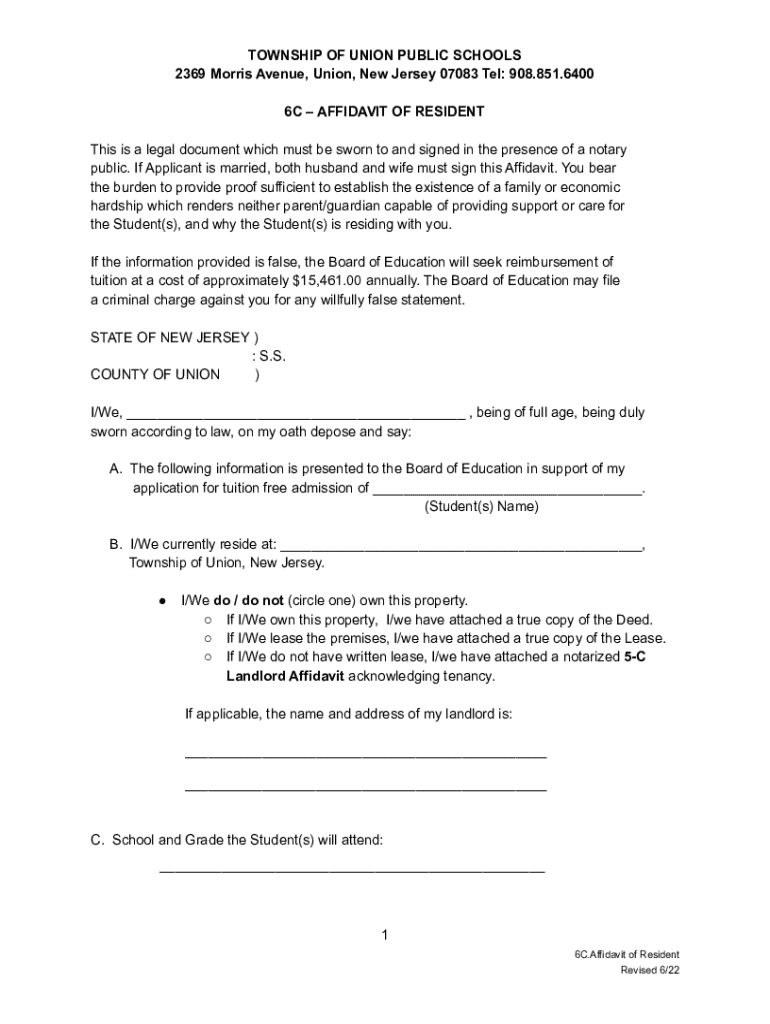







Understanding the Concept of "Form Online"
When discussing the "form online," it refers to the process of creating, editing, completing, and submitting various types of forms through digital platforms. This approach eliminates the need for physical paper forms, allowing users to manage documents using a computer or mobile device. With increasing digitalization, online forms have become pivotal in various sectors such as education, business, and government services due to their efficiency, accessibility, and ease of use.
Obtaining the Form Online
To obtain a form online, start by identifying the correct platform or website that hosts the required form. In most cases, this will be the official site of the organization or institution requesting the form. Users can often search for the form directly on the website or through general search engines. Once located, the form can typically be downloaded in various formats, such as PDF or DOC, making it compatible with different editing tools and platforms.
Steps to Complete the Form Online
- Access the Form: Visit the relevant website and locate the form.
- Download and Open: Download the form and open it using a compatible document editor.
- Fill in the Details: Carefully enter the required information into the appropriate fields. Ensure accuracy to avoid processing delays.
- Attach Supporting Documents: Some forms may require additional documentation. Ensure you have digital copies ready to upload.
- Review and Edit: Double-check all entered information. Use editing tools to make any necessary changes.
- Submit or Save: Based on instructions, either submit the form online or save the completed form for mailing or future reference.
Advantages of Using Forms Online
Adopting online forms presents numerous benefits:
- Efficiency: Online forms streamline the process, saving time otherwise spent on printing and mailing.
- Accessibility: Forms are accessible anytime and anywhere, allowing users more flexibility.
- Automated Processing: Online submissions often lead to faster processing and feedback.
- Reduced Errors: Digital forms can include validation checks to ensure data accuracy.
Typical Users of Online Forms
Online forms cater to a diverse demographic:
- Students: For applications, registrations, and authorizations.
- Businesses: For contracts, agreements, and data collection.
- Government Agencies: For tax filings, permits, and licenses.
- Healthcare Providers: For patient information and consent forms.
Legal Implications of Using Forms Online
Using forms online involves several legal considerations:
- Data Privacy: Compliance with data protection laws such as GDPR or HIPAA is essential.
- Electronic Signatures: Legally binding under acts like the ESIGN Act in the United States, ensuring validity and enforceability.
- Audit Trails: Maintaining records of submissions for accountability and disputes.
Essential Terminology Related to Form Online
Familiarize yourself with key terms:
- E-Signature: A digital representation of a signature ensuring document authenticity.
- Encryption: The method of securing data to protect confidentiality.
- Validation: Ensures the data provided in the form is correct and complete.
Required Documents for Form Submission
Different forms may require supporting documentation:
- Identification Proofs: Driver’s license, passport, or ID card.
- Financial Documents: Bank statements, tax returns.
- Official Certificates: Birth, marriage, or educational certificates.
Variations and Alternatives to the Form Online
Alternatives exist for different needs:
- Paper Forms: For users with limited internet access or technological capabilities.
- Hybrid Forms: Combining online submission with follow-up paper submissions for verification.
- Specialized Software: Tools like TurboTax for tax forms, which integrate specific functionalities tailored to certain industries or requirements.
By understanding and utilizing online forms, users streamline document workflows, improve efficiency, and ensure compliance with legal standards.




