
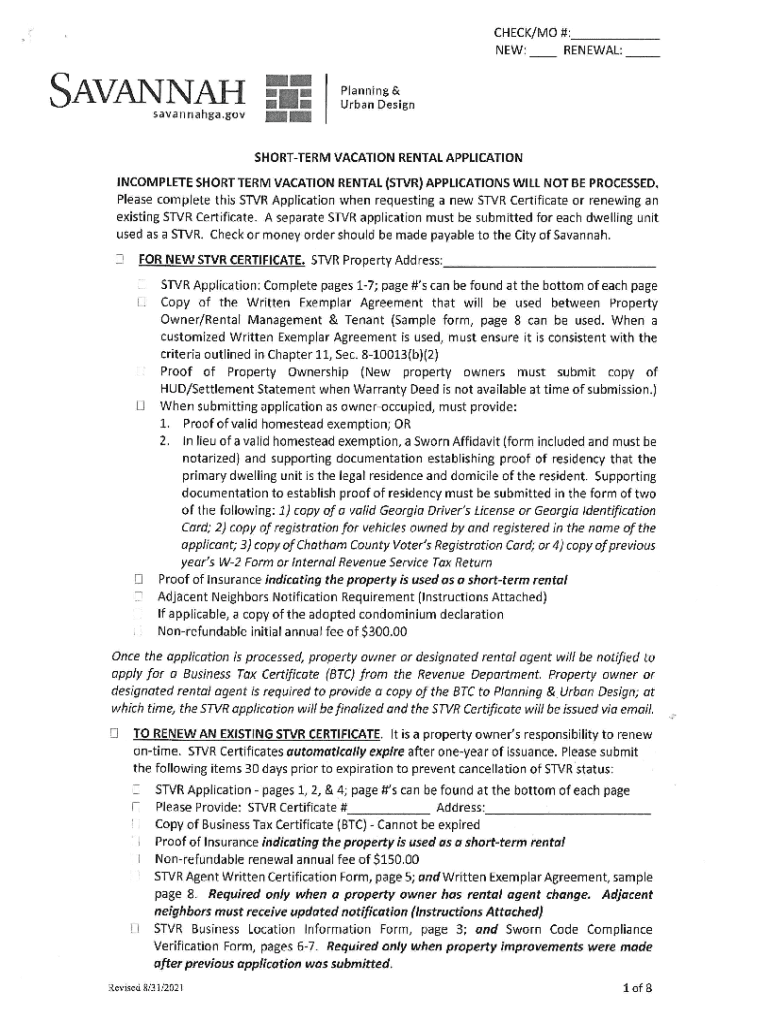







Definition and Meaning of Short Term Vacation Rental
A short term vacation rental refers to a property that is rented out to guests for short periods, usually ranging from a few days to a month. This type of accommodation has become increasingly popular as an alternative to hotels, providing visitors with unique, local experiences and homeowners with an opportunity to generate income. Short term vacation rentals can include entire homes, apartments, or even single rooms within a property. The popularity of platforms like Airbnb and VRBO has significantly boosted the short-term rental market, making it accessible to both hosts and guests worldwide.
How to Use Short Term Vacation Rentals
Short term vacation rentals can be utilized in various ways by property owners and travelers. For owners, they can list their property on online marketplaces to attract guests seeking temporary lodging. Travelers use these platforms to search for accommodations that suit their preferences, including location, amenities, and price range. The flexibility of short term rentals allows guests to enjoy a personalized stay, often in residential areas that provide a more authentic experience compared to traditional tourist accommodations.
Benefits for Travelers
- Cost-Effective: Often cheaper than hotels, especially for longer stays.
- Customization: Access to kitchen and multiple rooms, offering a homely environment.
- Location Choices: Options to stay in non-touristic neighborhoods for a genuine local experience.
Benefits for Hosts
- Income Generation: An additional source of revenue by utilizing unused property space.
- Flexible Use: Provide accommodation when the property is not in personal use.
- Meeting Diverse Guests: Opportunity to meet people from various cultures and backgrounds.
Steps to Complete a Short Term Vacation Rental Agreement
Entering into a short term vacation rental agreement involves several critical steps to ensure a smooth transaction between the host and the guest. Both parties must adhere to the following:
- Prepare a Contract: Both parties should agree upon a detailed rental contract outlining terms, conditions, and rental duration.
- Listing Details: Hosts should ensure the accuracy of property descriptions and amenities listed online.
- Place Booking: Guests must confirm availability and payment conditions before finalizing their booking.
- Property Inspection: Encourage a walkthrough on arrival to document any existing damage.
- Check-In/Out Procedures: Specify check-in and check-out times including any access instructions.
Legal Use of Short Term Vacation Rentals
Operating a short term vacation rental involves adhering to various legal requirements, which differ by region and municipality. Common legal considerations include obtaining the necessary permits, ensuring zoning compliance, and adhering to safety regulations.
- Licensing: Many regions require operators to obtain specific licenses or permits.
- Zoning Laws: Compliance with local zoning laws is crucial, as some areas restrict short term rentals.
- Tax Regulations: Hosts may be required to collect and remit lodging taxes.
Key Elements of the Short Term Vacation Rental Agreement
A short term vacation rental agreement should cover several essential components to protect both the host and the guest:
- Identification of Parties: Details of both the host and guest.
- Property Description: An accurate representation of what the property offers.
- Payment Terms: Amount, due dates, and accepted payment methods.
- House Rules: Guidelines for guest behavior and use of property facilities.
- Cancellation and Refund Policy: Conditions under which refunds are issued or forfeited.
State-Specific Rules for Short Term Vacation Rentals
Different states within the United States have varying regulations for short term vacation rentals. These differences can significantly impact how property owners manage their rentals:
- California: Stricter regulations in cities like San Francisco and Los Angeles, including limits on occupancy days.
- New York: Short term rentals in certain residential buildings are highly restricted.
- Florida: Considered more lenient, with significant portions of the economy relying on tourism.
Examples of Using Short Term Vacation Rentals
Consider these examples to understand how short term vacation rentals might work in practice:
- Urban Explorers: Couples visiting cities often rent apartments close to city centers to explore local attractions and restaurants.
- Family Gatherings: Large families may rent entire houses near tourist destinations to accommodate all members comfortably.
- Remote Work Retreats: Digital nomads can rent properties for temporary work retreats, offering them comfort and the opportunity to network.
Digital vs. Paper Version
Managing and maintaining documentation for short term vacation rentals can be handled digitally or via traditional paper methods. However, the digital approach offers distinct advantages:
- Ease of Access: Digital forms and agreements can be accessed anywhere, reducing the need for physical storage.
- Automation: Some platforms offer automation in managing bookings and payments, saving time.
- Environmentally Friendly: Reducing paper use contributes to environmental conservation.
Required Documents for Operating a Short Term Vacation Rental
Running a short term vacation rental typically requires several key documents:
- Rental Agreement: The formal agreement between host and guest.
- Proof of Ownership or Lease: Documentation showing the owner's right to rent the property.
- Licenses and Permits: Current permits or licenses required by local governments.




