




Definition & Meaning
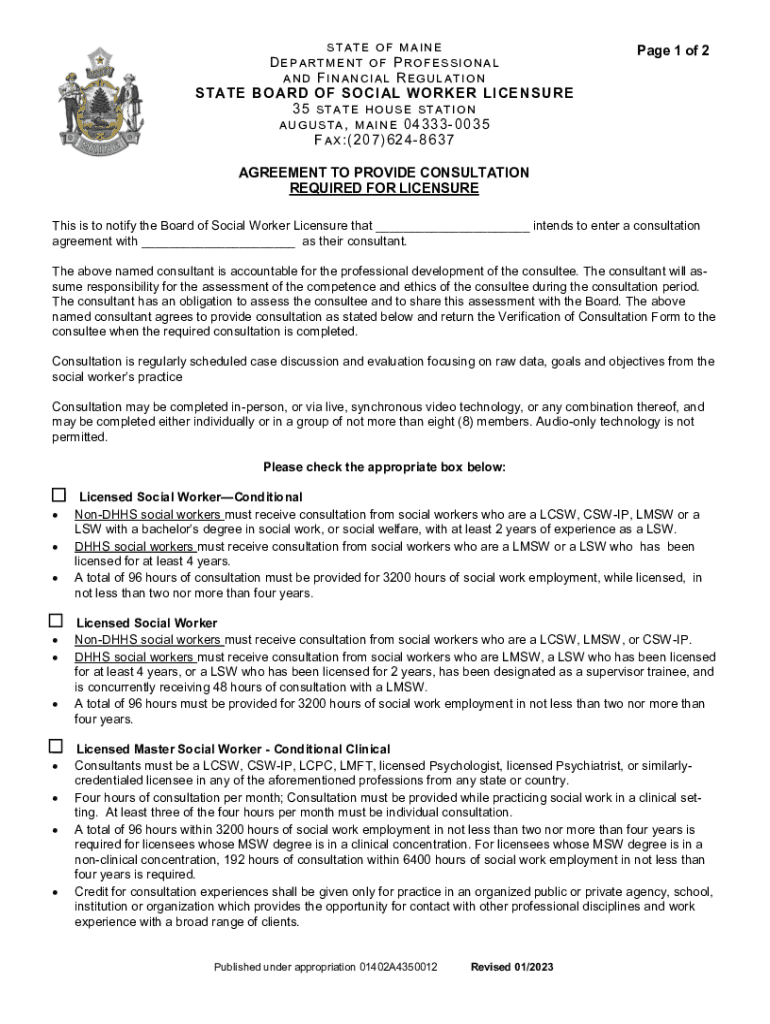
The Maine Disclosure Statement is a critical document in the licensing process for social workers in Maine. It outlines the specific consultation requirements necessary for obtaining licensure. This statement details the expectations and responsibilities for both the consultant and the consultee. By clarifying roles and conditions for consultations, this document ensures that all parties are aware of their obligations within the licensing framework.
Key Components
- Consultant Responsibilities: Clearly defined tasks and expectations for the consultant.
- Consultee Obligations: Requirements that the social worker must fulfill during the consultation process.
- Consultation Types: Different types of consultations outlined for each kind of social worker license, including differentiations for DHHS and non-DHHS social workers.
By understanding the Maine Disclosure Statement's core components, individuals involved in the licensing process can better navigate their roles and responsibilities.
How to Use the Maine Disclosure Statement
The Maine Disclosure Statement serves as a guide and contractual agreement between social workers seeking licensure and their consultants. Utilizing this form involves several critical steps to ensure compliance and understanding of the licensure process.
Step-by-Step Usage
- Review the Statement: Thoroughly read the entire document to understand the expectations and requirements.
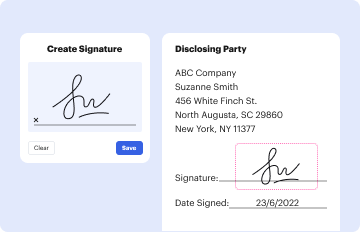
- Signatory Agreement: Both consultant and consultee must sign to affirm their understanding and agreement to abide by the outlined terms.
- Determine Consultation Types: Identify applicable consultation conditions based on the type of license pursued.
- Engage in Consultations: Regularly schedule and participate in required consulting sessions as defined within the statement.
Exercising these steps ensures the disclosure statement is practically applied and serves its intended legal and professional functions.
Steps to Complete the Maine Disclosure Statement
Completing the Maine Disclosure Statement requires careful attention to detail and an understanding of the form’s intricacies. Below is a comprehensive guide to filling out this form effectively.
Completing the Form
- Gather Information: Collect all necessary details about the consultant and consultee, including contact information and credential data.
- Record Employment Data: Document the social worker’s employment details, which may affect consultation requirements.
- Confirm Consultation Requirements: Outline the specific types of consultations needed for licensure, ensuring alignment with licensing rules.
- Signature Collection: Both parties must sign the document to confirm their understanding and commitment to the outlined terms.
Following these specific steps for form completion helps safeguard against errors and ensures all fields are accurately filled.
Key Elements of the Maine Disclosure Statement
There are several integral components within the Maine Disclosure Statement that both consultants and consultees need to understand thoroughly.
Core Elements
- Consultation Agreements: Detailed responsibilities for consultants and consultees.
- Licensing Conditions: Specific conditions that apply to different types of social worker licenses in Maine.
- Effective Communication: Sections allowing both parties to comment on and address the consultation framework.
Understanding these components is crucial to leveraging the document properly and ensuring that both parties meet their professional obligations.
Important Terms Related to Maine Disclosure Statement
Familiarity with significant terms within the Maine Disclosure Statement can aid in effective utilization and compliance. Below are explanations of key terminology.
Glossary of Terms
- Consultant: A licensed individual who provides guidance to social workers as they fulfill licensure requirements.
- Consultee: The social worker seeking licensure who engages in consultation to meet state requirements.
- DHHS Social Worker: A social worker employed by the Department of Health and Human Services, with specific consultation needs.
Understanding these terms is fundamental to applying the disclosure statement correctly within a professional context.
Legal Use of the Maine Disclosure Statement
The Maine Disclosure Statement holds legal significance in the context of social worker licensure, serving as a binding agreement between involved parties.
Legal Implications
- Contractual Agreement: A legally binding document that both consultant and consultee must adhere to during the licensure process.
- Evidence of Compliance: Acts as proof that consultation requirements are being met, essential for licensure.
- Litigation Protection: Provides legal protection to both parties by clearly defining expectations and obligations.
Selecting to engage responsibly with the Maine Disclosure Statement minimizes risks of non-compliance and supports successful licensure attainment.
State-Specific Rules for the Maine Disclosure Statement
Maine has specific rules regarding social worker licensure, making understanding these guidelines crucial for those engaging with the Maine Disclosure Statement.
Unique State Requirements
- Licensure Types: The state differentiates between licenses, with varying consultation needs for each.
- Consultation Frequency: Set frequency for consultations, ensuring they align with Maine’s licensing laws.
- Documentation Standards: Specific standards for how consultations should be documented and reported.
By staying informed of these state-specific rules, both consultees and consultants can ensure accurate and compliant use of the Maine Disclosure Statement.
Examples of Using the Maine Disclosure Statement
Real-world examples provide valuable insights into how the Maine Disclosure Statement is applied within the licensure process.
Practical Use Cases
- New Licensure Candidate: A social worker transitioning from student to licensed professional utilizes the statement to meet consultation requirements.
- Experienced Professional: A seasoned social worker seeking advanced licensure employs the statement to understand new consultation obligations.
- Employment Changes: Social workers changing roles within or outside DHHS may need to adjust their consultation approaches as guided by the statement.
These examples highlight the diverse scenarios where the Maine Disclosure Statement plays a pivotal role in the professional development of social workers.


