
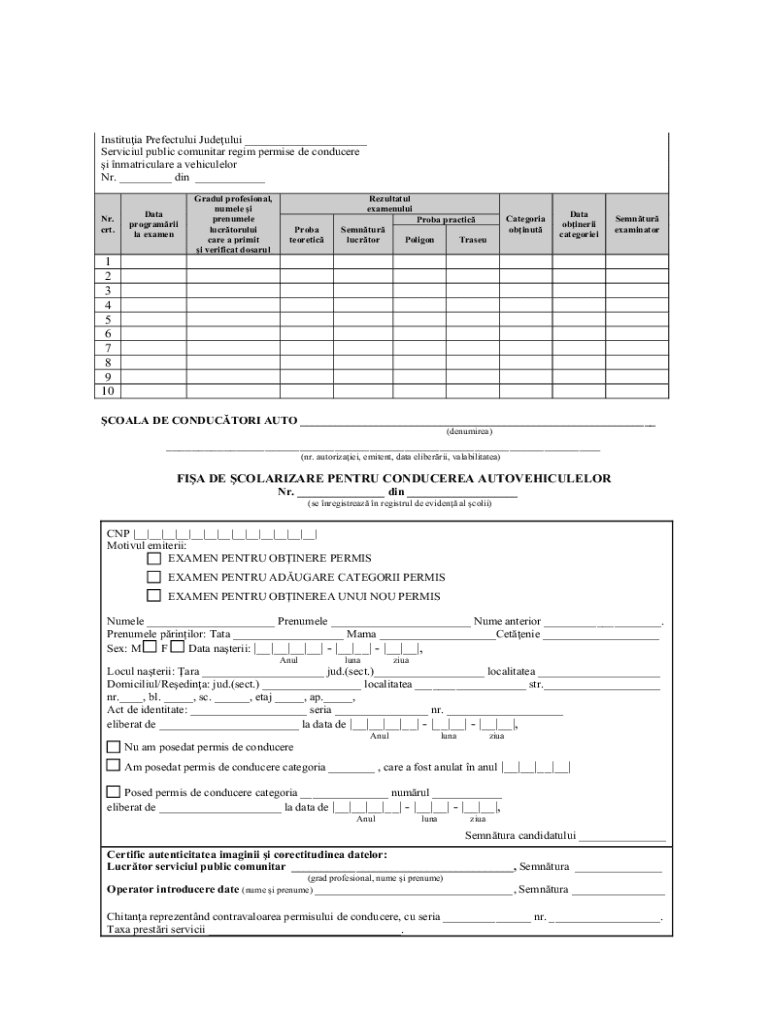







Understanding the "Regulament de Organizare și Funcționare"
The "Regulament de organizare și funcționare" is a vital document, serving as a regulatory guideline for organizing and managing specific processes or entities in Romania. It outlines the rules and procedures necessary for legal compliance and operational efficacy, making it crucial for diverse sectors, including business, education, and government organizations.
How to Use the "Regulament de Organizare și Funcționare"
To effectively use the "Regulament de organizare și funcționare," follow these general steps:
- Familiarization: Begin by thoroughly reading and understanding each section of the document to grasp its intended purpose.
- Application: Implement the guidelines and rules within your organization or project to ensure compliance with Romanian regulations.
- Regular Review: Continuously review the document to stay updated with any amendments or changes to ensure ongoing compliance.
Practical Examples
- In Educational Institutions: The document might set standards for curriculum development and staff responsibilities.
- In Businesses: It can define the operational processes and management structures necessary for compliance and efficiency.
Steps to Complete the "Regulament de Organizare și Funcționare"
Completing the "Regulament de organizare și funcționare" involves several critical steps:
- Preparation: Gather all necessary information and resources related to the entity or process.
- Documentation: Accurately document all required elements as per the guidelines provided in the regulation.
- Verification: Double-check the completed document for accuracy and ensure all sections are correctly filled.
- Submission: Submit the document to relevant authorities or internal departments as required.
Key Elements of the "Regulament de Organizare și Funcționare"
The document is structured to include several key elements that are crucial for its successful implementation:
- Objectives and Purpose: Clearly defined goals and purpose of the regulation.
- Organizational Structure: Details on the hierarchical structure and roles.
- Operational Procedures: Specific processes and protocols that need to be followed.
- Compliance Requirements: Legal and regulatory obligations that must be adhered to.
Important Terms Related to the "Regulament de Organizare și Funcționare"
Understanding specific terms used within the "Regulament de organizare și funcționare" can enhance comprehension and implementation:
- Authoritate: Refers to the governing body responsible for enforcing the regulation.
- Conformitate: The state of adhering to established guidelines and rules.
- Procedură: Defined steps or methods outlined in the document.
Who Typically Uses the "Regulament de Organizare și Funcționare"
The document is commonly used by various stakeholders aiming to ensure proper organization and compliance:
- Business Leaders: To align business practices with legal standards.
- Government Officials: For maintaining regulatory compliance within public institutions.
- Educational Administrators: To implement standardized processes within educational settings.


Legal Use of the "Regulament de Organizare și Funcționare"
Legally, the "Regulament de organizare și funcționare" serves as a binding document that must be adhered to, ensuring all processes are conducted within the scope of Romanian law. Non-compliance can result in legal repercussions, including fines or other penalties.
Digital vs. Paper Version
The "Regulament de organizare și funcționare" can exist in both digital and paper formats:
Digital Version
- Accessibility: Easily accessible via online platforms.
- Ease of Updates: Simple to update and distribute revisions.
- Security: Implement password protection and encryption measures for sensitive sections.
Paper Version
- Tangible Record: Provides a physical record of the document.
- Traditional Use: Preferred in settings where digital access is limited.
State-by-State Differences
While the "Regulament de organizare și funcționare" maintains core principles across Romania, state-level adaptations may occur, impacting specific implementations. It's crucial to consult local authorities or legal professionals to understand state-specific nuances and ensure compliance.




