




01. Edit your form online
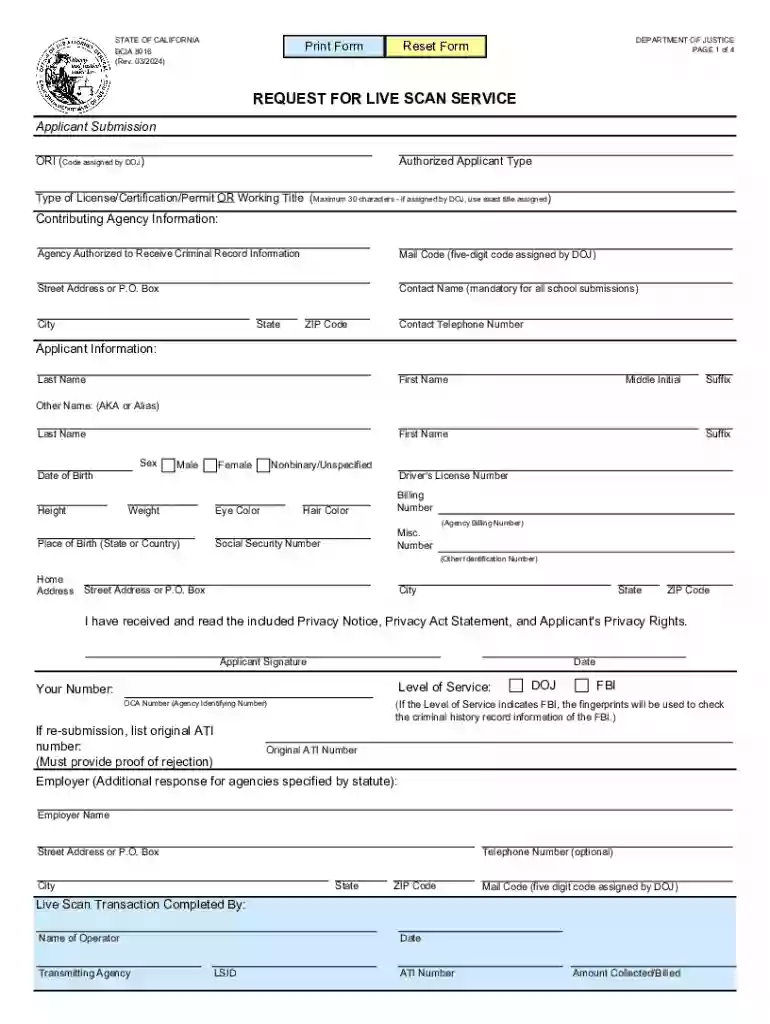
Type text, add images, blackout confidential details, add comments, highlights and more.

Type text, add images, blackout confidential details, add comments, highlights and more.

Draw your signature, type it, upload its image, or use your mobile device as a signature pad.

Send it via email, link, or fax. You can also download it, export it or print it out.
The term "Nonbinary Unspecified" often refers to the gender category used by individuals who identify outside the traditional male and female binary. While "nonbinary" itself covers a broad spectrum of gender identities, the "unspecified" aspect provides an additional layer of privacy or indeterminacy for those who prefer not to disclose specific gender details. This designation can appear on forms and applications, allowing individuals to select an option that most accurately represents their gender identity without forcing them into traditional categories. It aligns with inclusive practices and ensures that diverse gender identities are recognized and respected in data collection processes.
Using the "Nonbinary Unspecified" category can vary depending on the context, such as government forms, employment applications, or educational enrollments. Typically, users will encounter this category among gender options when filling out forms where gender identity is requested. It provides a viable selection for those who do not wish to specify their gender beyond a nonbinary classification, aiding institutions in supporting gender diversity and inclusivity. It's crucial for organizations to clearly instruct users on how to select this option and ensure that their systems are prepared to handle data marked under this category without prejudice or technical issues.
If individuals wish to have their gender listed as "Nonbinary Unspecified" on official documents, they often need to complete a request or update process specific to the issuing organization. This might involve submitting forms to state departments, schools, or workplaces that have updated systems to include gender identity options beyond the male-female binary. Some jurisdictions offer a streamlined process involving simple form submissions, while others may require more detailed documentation or affidavits. Awareness of the latest procedures through government websites or human resource guidelines ensures that individuals can navigate the process efficiently.
Identify the Form Type: Determine if the form you need to complete offers a section for gender identity. Check for a "Nonbinary Unspecified" option.
Review Instructions: Look for accompanying instructions specific to gender identity sections. Forms provided by governmental or large organizations usually include guidelines to assist with the correct selection and submission of information.
Select "Nonbinary Unspecified": Locate the gender section and select "Nonbinary Unspecified" if applicable and relevant to your identity.
Submit Supporting Documents: Some forms may require supporting documentation, such as identification that reflects a specified gender identity. Ensure that any required documents are up to date and consistent.
Submit the Form: Follow the specified method for submitting the form, whether online, by mail, or in person. Double-check all entries, particularly those related to gender identity, to confirm accuracy.
Nonbinary: An umbrella term for gender identities that do not fit within the traditional understanding of male and female.
Gender Identity: One's personal sense of their gender, which may or may not correspond with their sex assigned at birth.
Inclusivity: The practice or policy of including people who might otherwise be marginalized or excluded, such as those identifying as "Nonbinary Unspecified."
Third Gender: A concept present in various cultures, referring to individuals who do not fall into the categories of the male or female.
The legal incorporation of "Nonbinary Unspecified" as a gender category varies by state and organization, reflecting broader legislative shifts toward recognizing diverse gender identities. Many U.S. states have begun to offer "X" gender markers on official documents like driver's licenses, signaling acknowledgment of nonbinary identities. Legal use of this category ensures compliance with anti-discrimination laws and enables individuals to present documents that truly reflect their identity. Regular legal updates and policy revisions are essential for ensuring that individuals using this category are protected under existing civil rights laws.
Employment Applications: Inclusive companies include "Nonbinary Unspecified" in their administrative forms, helping them uphold diversity and anti-discrimination policies.
Educational Records: Some universities have adopted gender-neutral registration forms, allowing students to identify as "Nonbinary Unspecified."
Government Documents: States offering “X” as a gender marker on IDs support individuals identifying as “Nonbinary Unspecified,” reflecting progressive federal data collection practices.
Flexibility for Diverse Identities: This category offers a form of identification for those whose gender identity does not align with traditional binary options.
Data Privacy: The unspecified aspect provides a privacy option, enabling individuals to participate in demographic data collection without revealing specific identity details.
Alignment with Inclusivity Policies: Recognizing this category helps organizations comply with equality and inclusivity standards.
We've got more versions of the Nonbinary Unspecified form. Select the right Nonbinary Unspecified version from the list and start editing it straight away!
| Versions | Form popularity | Fillable & printable |
|---|---|---|
| 2024 | 4.4 Satisfied (45 Votes) | |
| 2020 | 4.8 Satisfied (52 Votes) | |
| 2018 | 4.3 Satisfied (60 Votes) | |
| 2013 | 4 Satisfied (21 Votes) | |
| 2011 | 4.2 Satisfied (50 Votes) | |
| 2010 | 4.3 Satisfied (51 Votes) | |
| 2009 | 4 Satisfied (33 Votes) | |
| 2007 | 4.4 Satisfied (255 Votes) | |
| 2001 | 4.3 Satisfied (112 Votes) | |
| 1998 | 4 Satisfied (28 Votes) |
At DocHub, your data security is our priority. We follow HIPAA, SOC2, GDPR, and other standards, so you can work on your documents with confidence.
Jun 20, 2022 Please use gender-fair, or nonsexist, language. Avoid using he/him/his as universal pronouns to refer to unspecified people in the third person.Read more
by AB Cardillo 2024 Cited by 1 This process calculates the safest range for an unspecified sex X using previously established sex-specific reference ranges. The new reference range is


