
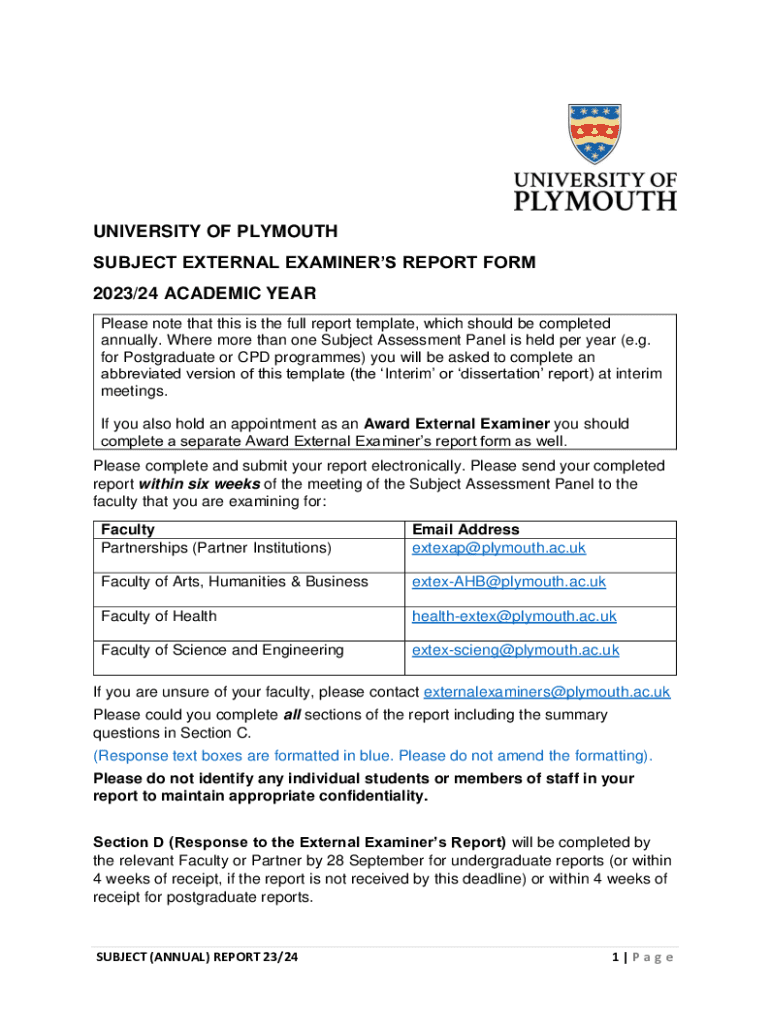







Definition and Purpose of the University of Plymouth Partner Student Institution Handbook
The University of Plymouth Partner Student Institution Handbook serves as a comprehensive resource for partner institutions collaborating with the University of Plymouth. It outlines roles, responsibilities, and procedures for maintaining academic quality and supporting student success. The handbook acts as a vital tool for ensuring alignment with the university’s academic standards and processes, providing clarity and guidance for both administrators and academic staff within partner institutions.
- Overview: An essential guide for partners, this handbook includes instructions and guidelines tailored to ensure smooth collaboration.
- Roles and Responsibilities: Defines the obligations of partner institutions in maintaining academic quality and supporting student needs.
How to Use the Handbook Effectively
Properly utilizing the University of Plymouth Partner Student Institution Handbook can significantly enhance understanding and adherence to university standards. This section guides users on how to navigate the handbook for maximum benefit.
- Locate Relevant Sections: Initially, familiarize yourself with the table of contents to efficiently find sections pertinent to your role or queries.
- Refer to Specific Chapters: For detailed guidance, refer to specific sections such as quality assurance processes and student support systems.
- Checklist for Users: Develop a checklist of frequently consulted sections to streamline access to critical information.
- Cross-Reference Features: Use cross-referencing tools provided within the digital version for easy navigation between related topics.
Key Elements Covered in the Handbook
The handbook encompasses a wide array of critical topics necessary for comprehensive understanding and implementation of university guidelines. Here are some key elements included:
- Academic Framework: Detailed descriptions of the academic framework and program structures.
- Quality Assurance: Procedures for quality assurance, including evaluation metrics and assessment guidelines.
- Student Resources: Information on available support services, academic counseling, and student engagement opportunities.
Quality Assurance and Compliance
The quality assurance section is crucial for maintaining the integrity of academic programs and ensuring compliance with university standards.
- Evaluation Procedures: Outlines the steps for conducting internal reviews and audits, ensuring continuous improvement.
- Feedback Mechanisms: Details feedback processes for capturing and addressing student and faculty concerns.
Important Terms and Definitions
Understanding the terminology used throughout the handbook is essential for clear communication and compliance with university policies. This section defines key terms used frequently in the handbook.
- Partner Institution: An organization that collaborates with the University of Plymouth to deliver academic programs.
- Assessment Panel: A group of experts responsible for evaluating the program’s adherence to academic quality standards.
Commonly Used Acronyms
The handbook uses several acronyms that users should become familiar with to navigate its content efficiently.
- QA (Quality Assurance): Processes designed to ensure the maintenance of academic standards.
- HE (Higher Education): Describes education provided at universities and other academic institutions offering degrees.
Steps to Complete Handbook Procedures
Completing the procedures outlined in the handbook requires precise adherence to specific steps. This section discusses how to effectively execute these tasks.
- Initial Review: Begin with a thorough review of the relevant sections to understand the full scope of the required procedures.
- Implementation Timeline: Develop a timeline for implementing procedures, incorporating key dates and deadlines.
- Monitoring Progress: Establish benchmarks and regularly review progress against set objectives to ensure successful completion.
- Documentation: Maintain detailed records of each step taken, providing accountability and transparency.
Legal Considerations and Usage
Legal compliance is a critical aspect of the University of Plymouth Partner Student Institution Handbook. This section explores the legal requirements associated with its use.
- Data Protection: Guidelines on handling student data responsibly and in compliance with applicable laws.
- Contractual Obligations: Explains the contractual obligations of partner institutions under university agreements.
Confidentiality and Disclosure
Maintaining confidentiality is paramount when handling sensitive information described in the handbook.
- Non-Disclosure Agreements: Requirements for signing NDAs before accessing certain document sections.
- Secure Data Handling: Recommended practices for ensuring data security and preventing unauthorized access.
Examples and Case Scenarios
Understanding how the handbook has been applied in real-world scenarios can provide valuable insights. Here are some examples illustrating its use:
- Case Study on Quality Improvement: A partner institution’s journey in transforming their quality assurance processes using handbook guidelines.
- Student Support Initiatives: Examples of successful student engagement and support initiatives implemented by adhering to the handbook.
Practical Applications
The theory presented in the handbook can be put into practice in various educational settings.
- Workshops and Training Sessions: Use the handbook as a foundation for workshops aimed at improving academic staff competencies.
- Peer Review Processes: Implementation of peer review processes to enhance academic program delivery.
Accessing the University of Plymouth Partner Student Institution Handbook
Accessing the handbook is essential for partner institutions to benefit from its guidance. This section explains how to obtain it.
- Official Request: Partner institutions can request a copy by applying through the university's official communication channels.
- Digital Access: Many institutions provide access to the digital version for ease of use and distribution among staff.
- Updates and Revisions: Ensure to check for updates periodically, as sections may be revised to reflect new policies or procedures.
- Distribution: Guidelines for distributing the handbook to relevant staff members within the institution.
Software and Format Compatibility
Understanding the compatibility of the handbook with various software platforms and formats ensures efficient use and dissemination of its content.
- Compatible Formats: Available in PDF, DOCX, and online versions to accommodate different user preferences and technological capabilities.
- Integration with Learning Management Systems: Tips for integrating handbook content with widespread educational platforms like Moodle or Blackboard.




