



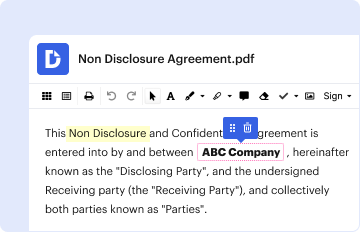
01. Edit your dental medical report sample online
Type text, add images, blackout confidential details, add comments, highlights and more.

Type text, add images, blackout confidential details, add comments, highlights and more.
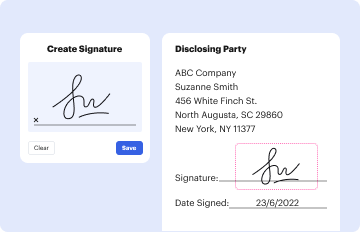
Draw your signature, type it, upload its image, or use your mobile device as a signature pad.
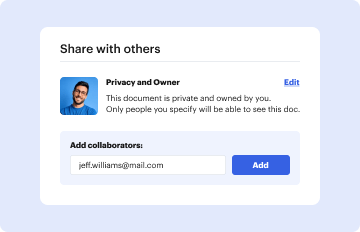
Send dental report template via email, link, or fax. You can also download it, export it or print it out.
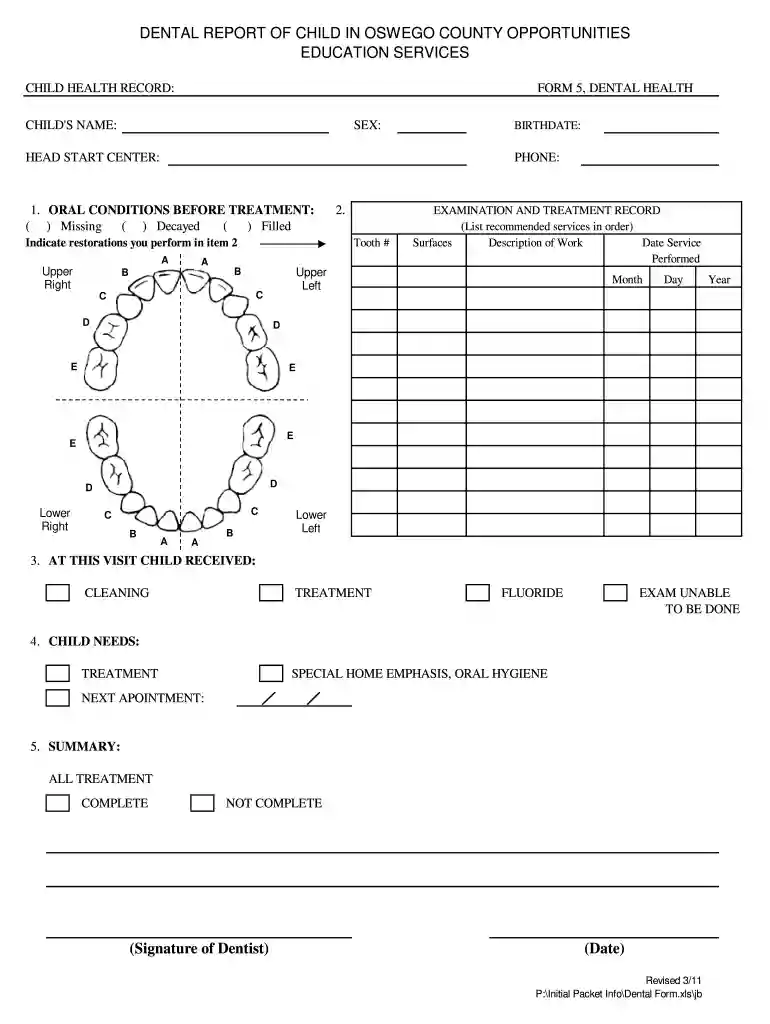
A dental treatment report sample is a structured document that outlines a patient's dental health status, examination findings, treatments administered, and future care plans. This report serves multiple purposes, including documenting the patient's oral health condition at the time of treatment, providing a summary for other healthcare professionals, and serving as a legal record of dental procedures performed.
The report typically includes:
Properly utilizing a dental treatment report sample aids in ensuring continuity of care and enhances communication among dental professionals.
To make the most of a dental treatment report sample, familiarize yourself with its sections and required data. Follow these guidelines for effective utilization:
Using the report effectively enhances both patient care and record-keeping.
Completing the dental treatment report sample involves a series of organized steps to ensure accuracy and comprehensiveness:
Following these steps leads to the creation of a thorough and useful dental treatment report sample.
Understanding key terms associated with dental treatment reports is crucial for accurate documentation and communication:
Familiarity with these terms enhances the quality and clarity of the dental treatment report.
The dental treatment report sample must include several essential elements to ensure it serves its intended purpose effectively:
Including these key elements ensures a comprehensive representation of the patient's dental history and treatment progress.
We've got more versions of the dental medical report sample form. Select the right dental medical report sample version from the list and start editing it straight away!
| Versions | Form popularity | Fillable & printable |
|---|---|---|
| 2011 | 4.8 Satisfied (301 Votes) |
At DocHub, your data security is our priority. We follow HIPAA, SOC2, GDPR, and other standards, so you can work on your documents with confidence.
I DocHub that the patient has had a dental exam within the past 6 months and does not have a dental infection requiring treatment. Dentist name (pleaseRead more
There is an immediate need for dental treatment due to pain and/or infection. Notes: ORAL HYGIENE RESULTS. Clean teeth and healthy gums were foundRead more
Jan 1, 2013 ➢ Procedures can be priced after treatment without prior approval as a By Report based on documentation submitted with the claimRead more


