
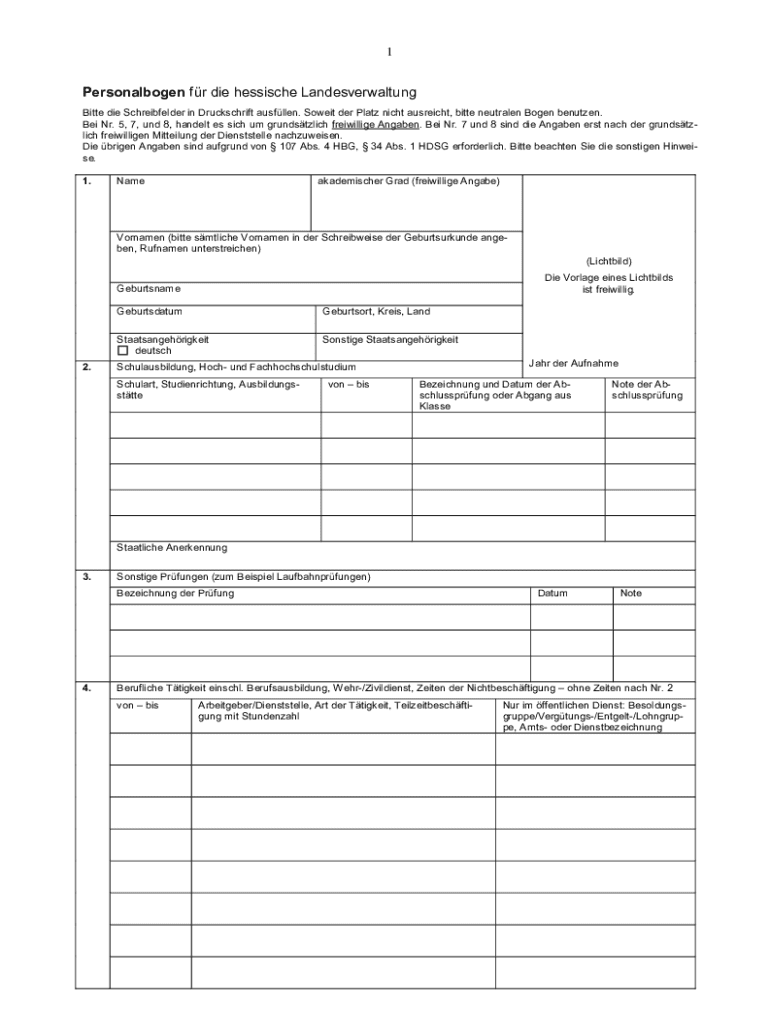







Definition and Meaning of Online Forms
Online forms are digital versions of traditional paper forms that allow users to input data electronically. They are used for various purposes, such as applications, registrations, and surveys, where users fill out fields with required information. Unlike physical forms, online forms offer flexibility and accessibility, enabling users to complete and submit them from any internet-connected device.
Key Features of Online Forms
- Accessibility: Available 24/7 for users to complete at their convenience.
- Real-time Data Collection: Instant submission and processing of data.
- Automation: Easily integrated with other systems for automated data handling.
- Flexibility: Customizable fields to cater to specific data requirements.
Examples of Online Forms
- Job Applications: Collects applicant information, resumes, and cover letters.
- Surveys: Gathers feedback from participants on various topics.
- Event Registrations: Registers attendees and collects fees.
Benefits of Using Forms Online
Utilizing forms online comes with several advantages that streamline operations and enhance user experience.
Efficiency
- Time-saving: Faster completion and submission compared to paper forms.
- Instant Updates: Real-time reflection of changes and additions without manual intervention.
Cost-effectiveness
- Paperless: Eliminates the need for printing, storing, and distributing paper forms.
- Reduced Errors: Minimizes human errors with automatic data validation.
Security
- Data Protection: Secure transmission with encryption protocols.
- Access Controls: Restricted access to sensitive information.
Steps to Complete an Online Form
Filling out an online form is a straightforward process that typically involves several steps to ensure accuracy and completeness.
Step-by-Step Guide
- Access the Form: Locate the form on the website or navigate directly using a provided link.
- Review Instructions: Carefully read any provided guidelines to understand the form's purpose and requirements.
- Input Data: Enter information into the designated fields, ensuring all mandatory fields are completed.
- Review Entries: Double-check all inputs for accuracy and completeness before submission.
- Submit Form: Use the submit button to send the form electronically.
- Confirmation: Look for a submission confirmation screen or email to verify successful form submission.
Tips for Successful Completion
- Use Compatible Devices: Ensure the device used has internet access and is compatible with the form platform.
- Save Progress: If available, utilize the save option to prevent data loss during interruptions.
Legal Use of Online Forms
Online forms must comply with specific legal standards to ensure legitimacy and protect user rights.
Legal Considerations
- Data Privacy: Compliance with data protection regulations such as GDPR and CCPA.
- Electronic Signatures: Legally binding under acts like the ESIGN Act, subject to meeting certain criteria.
Who Typically Uses Online Forms
Online forms are utilized by a diverse range of individuals and organizations across various sectors.
Common Users
- Businesses: For customer feedback, order forms, and registration processes.
- Educational Institutions: For student applications, enrollments, and surveys.
- Government Agencies: For public data collection, licenses, and permits.


Important Terms Related to Online Forms
Understanding key terms related to online forms can enhance comprehension and effective utilization.
Key Terminology
- SSL Encryption: A protocol for encrypting internet traffic and verifying server identity.
- OAuth 2.0: An authorization framework allowing secure access between servers.
Examples of Using Online Forms
Online forms are implemented in various real-world scenarios, reflecting their versatility and utility.
Real-World Applications
- E-commerce: Customer checkout pages with fields for shipping and payment information.
- Healthcare: Patient intake forms for medical history and consent.
- Recruitment: Candidate evaluation forms to streamline hiring processes.
Digital vs. Paper Version
The choice between digital and paper forms can impact an organization's operations and user experience.
Comparison of Formats
- Convenience: Digital forms offer greater convenience with remote access capabilities.
- Traceability: Easier tracking and record-keeping with digital submissions.
- Environmental Impact: Reduced paper usage aligns with eco-friendly practices.
Online forms have become a crucial component in digital transformation, enhancing the efficiency and reach of data collection and processing. By understanding their functionalities, benefits, and applications, users can leverage these tools to optimize workflows and achieve better outcomes.




