





Definition and Purpose of the Draw Request Form
A draw request form is a document generally used in architectural and engineering fields to request access to construction-related drawings. These forms facilitate the organized retrieval and review of plans for ongoing or planned construction projects. The form is crucial for ensuring that all parties involved in the project have the necessary documents to perform their roles effectively. Different stakeholders such as contractors, architects, and project managers use this form to ensure they have accurate and up-to-date information.
Obtaining the Draw Request Form
To acquire a draw request form, it is recommended to contact the institution or company responsible for managing the construction project, such as the Campus Planning & Facilities Management department at a university. Often, these forms are accessible through the organization’s official website or via their document management system. In a digital age, many organizations offer downloadable digital versions or interactive forms that can be filled online and submitted electronically to streamline the request process.
Steps to Complete the Draw Request Form
To complete a draw request form effectively, follow these steps:
-
Enter Requestor Information: Begin by providing your full name, contact details, and any pertinent identification numbers or project association information.
-
Specify Project Details: Clearly outline the project by inserting the project name, ID, and location. Provide a brief description of the project scope and relevant timelines.
-
Select Desired Disciplines: Identify the specific architectural or engineering disciplines for which drawings are requested, such as structural, electrical, or mechanical.
-
Add Additional Notes: Include any specific instructions or notes that could assist the document provider in fulfilling the request accurately, like particular drawing details or required file formats.
-
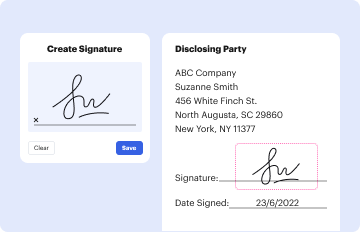
Review and Sign: Conclude by reviewing the completed form for accuracy before signing. Digital signatures may be accepted and are typically facilitated through a platform like DocHub.
Essential Elements of the Draw Request Form
Several key elements ensure the effectiveness and thoroughness of a draw request form:
-
Requestor Information: Vital for identification and record-keeping, ensuring that responses can be delivered to the correct person.
-
Project Details: Essential for segmenting drawings specific to the relevant project, aiding in organization and retrieval.
-
Disciplines and Special Requests: Indicating specific disciplines or requests focuses the query on relevant areas, minimizing unnecessary document searches.
-
Signatures: Signatures validate the request, ensuring its legitimacy and authorizing the document release.
Legal Usage and Compliance of the Draw Request Form
The draw request form must comply with any legal guidelines set forth by relevant authorities, such as municipal building codes or internal standards of the issuing entity. In contexts like university campuses, following regulatory requirements fosters compliance with federal, state, and local laws, ensuring no breach of legal or policy constraints. It is advisable to consult with legal counsel if there is uncertainty about compliance requirements particular to a draw request in your jurisdiction.
Who Typically Uses the Draw Request Form
Typically, a mix of professionals in the construction sector utilizes draw request forms:
-
Architects: For accessing blueprints and design documents critical for creating accurate designs or modifications.
-
Contractors: To obtain detailed plans necessary for the execution of construction tasks according to specifications.
-
Project Managers: To coordinate between teams and ensure that everyone works from the correct version of the plans.
-
Engineers: Utilize these forms to receive updates or changes that affect specifications across disciplines such as structural, civil, or mechanical.


State-Specific Rules and Variations for the Draw Request Form
Though draw request forms may be standardized within the same organization, state-specific rules can impact their application. Each state might have different regulations regarding construction, which can influence the format or data required in a draw request form. It is important to understand regional differences and ensure all requests adhere to local laws, which might dictate additional compliance documentation or approval needed before plans can be accessed or used.
Digital Versus Paper Versions of the Draw Request Form
Modern practices often favor digital versions of draw request forms due to their accessibility and efficiency in processing:
-
Digital Forms: Enable immediate submission and faster processing. Platforms like DocHub support digital signatures, making this option more streamlined and eco-friendly.
-
Paper Forms: Offer a tangible record but may involve more complex handling and processing times due to the necessity for physical delivery or scanning.
Both formats must maintain format consistency to prevent misinterpretation of the requests or loss of critical details. Each organization should evaluate its workflow demands to determine which version best suits its operational needs.
Business Entities and the Draw Request Form
Different business entities engaging in construction or related activities can benefit from a well-structured draw request form. For instance:
-
Corporations: Often use these forms to manage extensive construction projects with numerous stakeholders requiring access to plans.
-
Limited Liability Companies (LLCs): Utilize draw requests to maintain organizational efficiency and ensure that all team members access necessary documents.
-
Partnerships: Use these forms to align all partners’ understanding of a project, facilitating smoother project execution.
Each entity type may have specific documentation or approval processes, making the draw request form integral to maintaining order and accountability within projects.
Software Compatibility and Draw Request Forms
Integrating draw request forms with document management platforms like DocHub enhances their utility. Compatibility with tools such as Google Drive allows seamless access, modification, and synchronization of form details, promoting efficient handling:
-
DocHub Integration: Supports digital signatures and collaboration features for enhanced workflow automation.
-
Cloud Storage Services: Enable easy form sharing and real-time updates, ensuring team members always work from the latest versions.
For businesses using comprehensive software suites, ensuring that draw request forms are compatible optimizes document management and productivity.


