





Definition and Meaning of "Form Online"
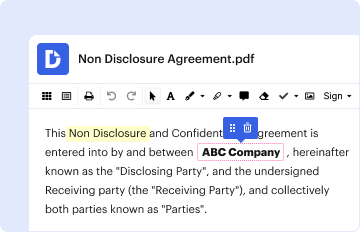
The term "form online" refers to digital templates or documents that can be accessed, completed, and submitted through internet-based platforms. These online forms are designed to replace traditional paper-based forms, offering convenience, speed, and accessibility to users. Online forms can range from simple contact forms found on websites to complex legal documents that require signatures and verification.
- Examples: Tax return forms like the 1040, employment applications, and legal petitions.
- Functionality: Interactive fields for inputting data, validation checks to ensure accuracy, and options for electronic submission.
Online forms play a crucial role in streamlining administrative and legal processes by making them more efficient and less time-consuming.
How to Use the Form Online
Using an online form involves several straightforward steps, allowing users to enter and submit information digitally:
- Access the Platform: Visit the website hosting the form, such as DocHub, and locate the required form.
- Open the Form: Click to load the form in the online editor.
- Input Information: Use the available fields to enter data, ensuring accuracy and completeness.
- Types of Fields: Text boxes, checkboxes, and dropdown menus.
- Attach Documents: If required, upload supporting documents like identification or financial statements.
- Review: Before submission, carefully review for errors or omissions.
- Submit: Use the online platform to send the completed form directly.
Online forms save time, provide immediate confirmation of submission, and often allow for real-time editing and corrections.
Steps to Complete the Form Online
Completing an online form involves systematic stages designed for user ease and efficiency:
- Logging In: Sign into the platform using secure credentials.
- Form Selection: Find and select the appropriate form from a list or search bar.
- Filling Details: Enter personal and required information into structured fields.
- Guidance: Many forms offer hints or tooltips to aid data entry.
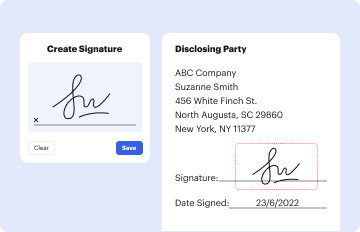
- Digital Signatures: Utilize electronic signature tools if a signature is necessary, ensuring legality and compliance.
- Verification and Review: Double-check information against required documentation.
- Submission: Finalize by submitting the form through the platform’s secure system.
Using these steps ensures the proper and effective use of digital forms, minimizing errors and enhancing processing speeds.
Benefits of Using Forms Online
Online forms provide a multitude of advantages that cater to both individuals and businesses by leveraging technology:
- Accessibility: Forms can be accessed from any location with internet access, reducing geographic constraints.
- Efficiency: Quick processing and submission save time for both users and recipients.
- Security: Enhanced security measures, such as encryption, protect sensitive data during transmission.
- Sustainability: Reducing the need for paper contributes to environmental preservation.
- Convenience: Features like auto-fill and instant validation streamline user experience.
These benefits make online forms an essential tool for modern document management and communication.
Examples of Forms Used Online
Online forms are used widely across various domains, each serving a specific purpose:
- Tax: Forms like the IRS 1040 for annual tax returns.
- Legal: Applications like petitions for habeas corpus or other court documents.
- Employment: Job application forms or performance review submissions.
- Academic: Enrollment applications or scholarship requests.
- Government: Passport applications like the DS-11.
These examples illustrate the diverse applications of online forms, making them indispensable in both personal and professional contexts.
Key Elements of the Form Online
An online form is composed of several critical elements that facilitate user interaction and data capture:
- Form Fields: Interactive components where users input information, such as text boxes and checkboxes.
- Labels and Instructions: These provide guidance on what information is needed in each field.
- Submit Button: Finalizes the form process by sending data to the recipient or storage system.
- Validation: Ensures entered data meets specific criteria, such as format or completeness.
- Confirmation: Notifies users of successful submission, often with a reference number or email receipt.
Understanding these elements helps users to navigate and complete forms effectively, ensuring accuracy and efficiency.
Legal Use of Forms Online
Online forms are governed by legal standards to ensure authenticity, privacy, and compliance:
- Electronic Signatures: Legally binding under acts such as ESIGN and UETA, providing validity similar to handwritten signatures.
- Data Protection: Regulations like GDPR or CCPA protect user information during processing.
- Authentication Methods: OAuth and other authentication methods ensure secure access and identity verification.
These legal frameworks allow online forms to replace paper documents confidently and reliably in formal processes.
Who Typically Uses Forms Online
A wide range of individuals and organizations utilize online forms due to their versatility and convenience:
- Individuals: For personal tasks like filing taxes or applying for jobs.
- Businesses: For administrative purposes, including employee onboarding and client acquisitions.
- Government Agencies: Streamlining public service applications and compliance documents.
- Educational Institutions: Managing student applications and records.
The accessibility and efficiency of online forms make them popular across multiple sectors, facilitating seamless and streamlined operations.




