




01. Edit your form online
Type text, add images, blackout confidential details, add comments, highlights and more.

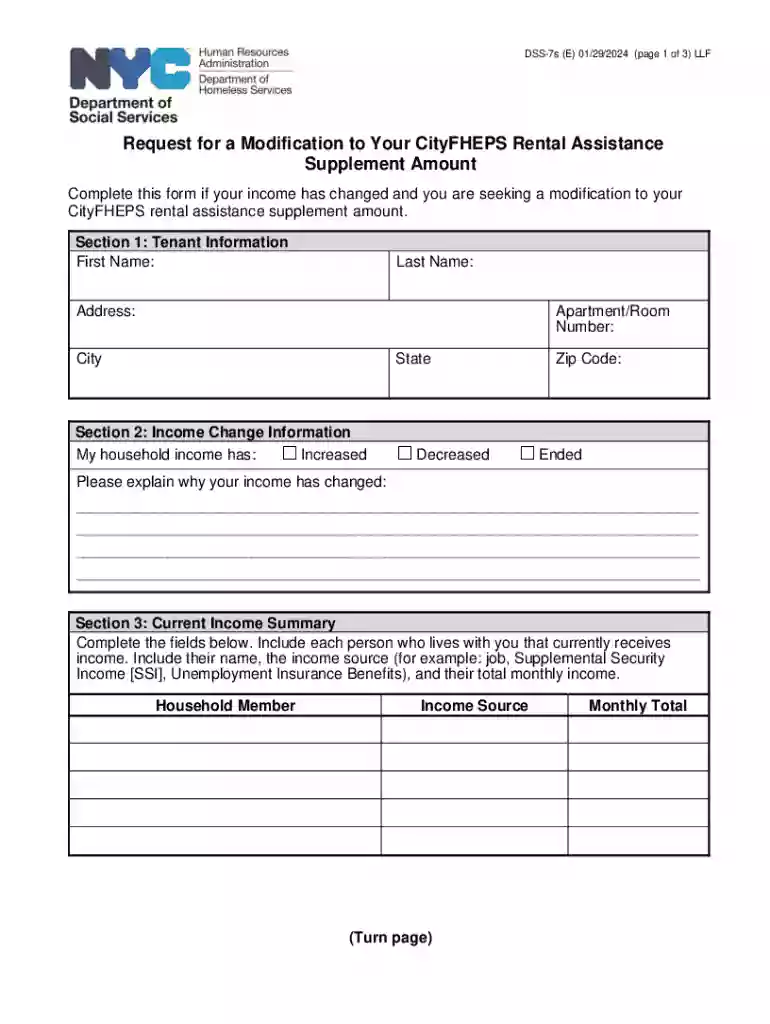
Type text, add images, blackout confidential details, add comments, highlights and more.

Draw your signature, type it, upload its image, or use your mobile device as a signature pad.

Send it via email, link, or fax. You can also download it, export it or print it out.
The "office of policy, procedures and training - POLICY BULLETIN #" serves as an integral tool for disseminating important updates and guidelines within organizations. A policy bulletin typically outlines new regulations, modifications to existing policies, or clarifications on procedural matters. It functions as a formal communication from policy experts to employees, ensuring that everyone adheres to the latest standards and practices. By clearly defining policy shifts, the bulletin minimizes misunderstandings and promotes uniformity in operations across different sectors within the organization.
Review the Overview Section: Begin by reading through the introductory section, which provides the broader context and purpose of the policy update. This section helps users understand what the bulletin aims to address and any overarching changes that are pertinent.
Identify Key Changes or Updates: Locate the section detailing the specific updates to policies or procedures. This may include new guidelines to follow, alterations to existing processes, or the introduction of new forms or documentation requirements.
Assess the Impact on Operations: Consider how the changes noted in the bulletin affect your department or role. Determine if there are new responsibilities or if current workflows need adjustments.
Follow Organization-Specific Instructions: Adhere to any specific instructions provided in the bulletin, such as timelines for implementation, contact points for further queries, or steps for internal dissemination to team members.
Document Compliance Measures: Ensure that you document compliance actions taken in response to the bulletin, which might be required during audits or evaluations.
Attendance in Training Sessions: If applicable, register for any training sessions mentioned. These sessions are designed to educate and prepare staff on the new policies and procedures.
Introduction: Briefly explains the rationale behind the bulletin and gives an overview of the main changes or implementations it addresses.
Policy Updates: Details the specific changes to existing policies or introduces new policies. It is crucial to note any changes in definitions, roles, responsibilities, or procedures.
Implementation Guidelines: Offers a step-by-step process or timeline for implementing the new policies within the organization.
Contact Information: Provides the necessary contact details for policy experts or the document's issuers, who can clarify queries or provide additional information.
Appendices: May include supplementary information, such as charts, data analysis, or additional resources to facilitate the understanding and application of new policies.
Intranet Access: Most organizations will distribute policy bulletins through their internal communication platforms, such as an intranet portal. Employees should regularly check these platforms for new bulletins.
Email Updates: Organizations may send bulletins directly to employees through email, ensuring immediate dissemination of critical policy updates.
Human Resources Professionals: HR departments frequently use policy bulletins to stay informed about changes impacting hiring, onboarding, and employee management processes.
Department Managers: Managers utilize the information to align their team's operations with the new policies and ensure compliance throughout their departments.
Compliance Officers: Individuals responsible for ensuring that the organization follows laws and standards closely monitor policy bulletins to guarantee regulatory compliance.
Staff Members: General employees use the bulletins to remain informed and compliant with their roles' expectations and responsibilities.


Policy bulletins serve multiple purposes within an organization. They are essential for maintaining consistent communication across all levels about operational requirements and expectations. By clearly outlining policy and procedural changes, bulletins help mitigate risks associated with non-compliance, such as legal liabilities or operational inefficiencies.
Bulletins also support continuous improvement by encouraging feedback from employees and stakeholders, fostering an environment of collaboration to refine practices and procedures.
A financial institution may issue a bulletin to inform staff about new federal regulations affecting anti-money laundering procedures. The document would detail what changes must be implemented in existing practices and the deadline for compliance.
In response to a new health directive, a manufacturing company releases a bulletin outlining improved safety measures, such as the introduction of personal protective equipment requirements and updated emergency procedures.
Policy bulletins carry legal significance by providing formal notification of policy updates that employees are obliged to follow. They support organizations in demonstrating compliance with legal standards and can be used as evidence in disputes to show an organization's commitment to regulatory compliance.
Bulletins must always reflect current laws and should be regularly updated to accommodate new legislation. Legal review and approval are often required before dissemination to ensure alignment with statutory requirements.
Compliance: Adherence to laws, regulations, and guidelines relevant to an organization's operations.
Implementation: The process of putting a decision or plan into effect within an organization, often outlined in the bulletin.
Procedure: An established and official way of doing something, especially as detailed in policy documents.
Audit Trail: Documentation or records showing a sequence of activities that have been carried out, useful in ensuring compliance with policies.
Policy bulletins might vary slightly based on state-specific legal requirements or industry standards. For example, labor laws differ by state, so employment-related policy bulletins would need to incorporate state-specific adjustments.
Organizations must ensure that their bulletins comply with both federal and state laws, requiring periodic reviews and adjustments by legal experts.
We've got more versions of the office of policy, procedures and training - POLICY BULLETIN # form. Select the right office of policy, procedures and training - POLICY BULLETIN # version from the list and start editing it straight away!
At DocHub, your data security is our priority. We follow HIPAA, SOC2, GDPR, and other standards, so you can work on your documents with confidence.
The responsibility for establishing College policies rests with the president of the College. It is the intent of the College to follow policies and
This policy defines the essential rules regarding the management and maintenance of firewalls at (^Company^) and it applies to all firewalls owned, rented,Read more


