






Understanding Police SOP Templates
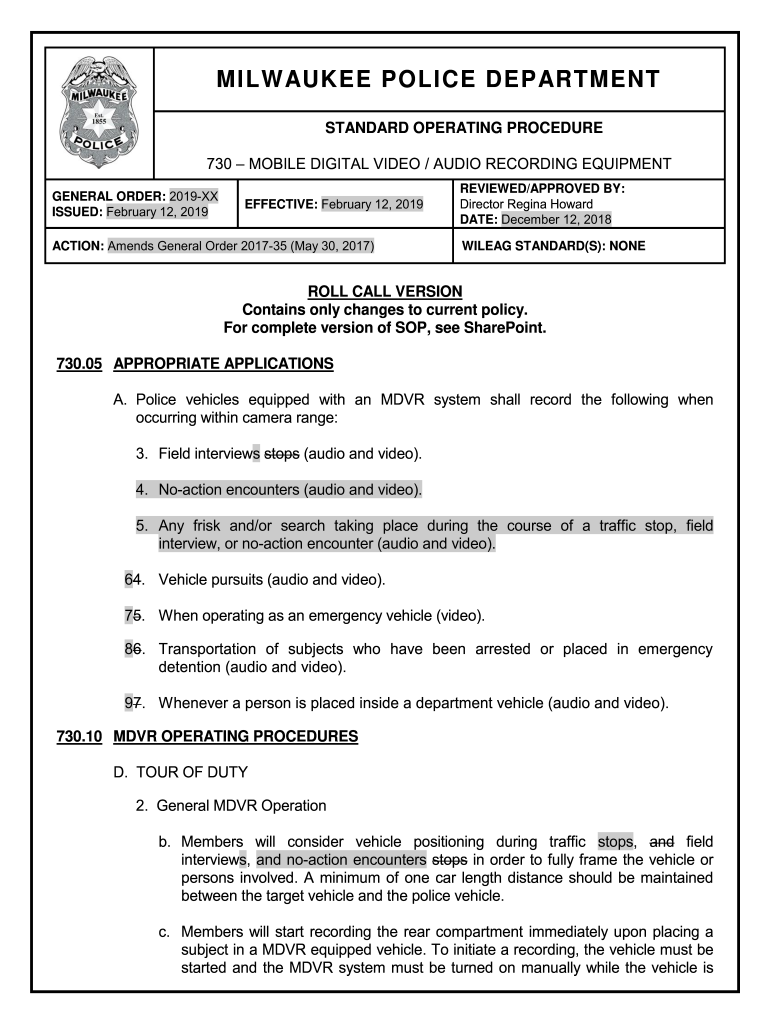
A Police Standard Operating Procedure (SOP) template is a critical framework that outlines the processes and protocols law enforcement agencies must follow. These documents ensure consistency, efficiency, and accountability in police operations. They serve as a guideline for officers, detailing specific procedures related to various aspects of law enforcement, such as handling evidence, conducting investigations, and managing critical incidents.
Purpose of Police SOPs
The primary purpose of police SOPs is to establish clear expectations for behavior and actions within a police department. These documents are intended to:
- Enhance officer safety by providing clear guidelines to follow in potentially dangerous situations.
- Standardize procedures across the department, promoting equality in law enforcement practices.
- Improve the quality of data collection and reporting through defined protocols.
- Foster accountability among officers by providing a reference point for evaluating actions taken during police operations.
Elements of a Police SOP Template
A comprehensive police SOP template typically includes several essential components:
- Title and Purpose Statement: Clearly defines the SOP's scope and objectives.
- Responsibilities: Identifies personnel accountable for executing the procedures outlined within the SOP.
- Procedures: Detailed step-by-step instructions on how to perform specific tasks, ensuring clarity and consistency.
- Definitions: Clarifies any jargon or technical terminology used within the document to avoid misunderstandings.
- References: Lists related policies, laws, and other SOPs that provide context or additional guidelines relevant to the procedure.
Examples of Common Police SOPs
Various scenarios necessitate specific SOPs within law enforcement. Examples include:
- Conducting Searches: Procedures detailing how to execute a search warrant, including required documentation and methods.
- Vehicle Pursuits: Outlining when a pursuit is appropriate and the protocols for safely terminating a pursuit if necessary.
- Use of Force: Defining acceptable levels of force and the procedure for documenting any use of force incidents.
Importance of Compliance with SOPs
Adhering to police SOPs is vital for several reasons:
- Legal Accountability: SOPs provide a defense in legal situations, demonstrating that officers acted in accordance with established procedures.
- Training: New recruits benefit from SOPs as they provide structured learning material for understanding department operations.
- Public Trust: Compliance with SOPs helps build community confidence in the police force, as consistent actions reflect professionalism and integrity.
Crafting an Effective Police SOP Template
When developing a police SOP template, several best practices should be followed to ensure effectiveness:
- Stakeholder Involvement: Include input from officers at various levels and departments in the drafting process to ensure that the SOP is practical and applicable.
- Review and Revision Cycles: Regularly review SOPs to address changes in laws, technology, or operational practices, ensuring they remain relevant and effective.
- Clear Language: Use straightforward language to enhance understanding and compliance among all personnel.
- Training and Implementation Plans: Provide thorough training for officers on new SOPs, including assessment tools to gauge understanding and adherence.
Conclusion: The Role of Technology in SOP Development
Modern technology aids in the creation and tracking of police SOPs:
- Document Management Systems: These systems allow for easier revisions, version control, and distribution of SOPs throughout the department.
- Collaboration Tools: Enable real-time input from various stakeholders, improving the quality and inclusivity of SOP documents.
- Compliance Tracking Software: Assists in monitoring adherence to SOPs, providing valuable data for departmental evaluations and officer training needs.
Developing a robust police SOP template is essential for effective law enforcement practices, ensuring that all personnel can perform their duties accurately and consistently while upholding the law with integrity and professionalism.


