State of michigan illable substance abuse assessment form 2026

Get Form
state of michigan illable substance abuse assessment form Preview on Page 1

Here's how it works

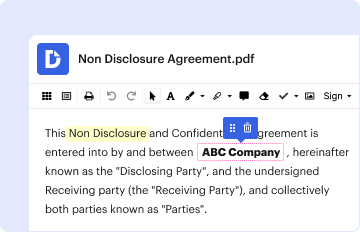
01. Edit your form online
Type text, add images, blackout confidential details, add comments, highlights and more.

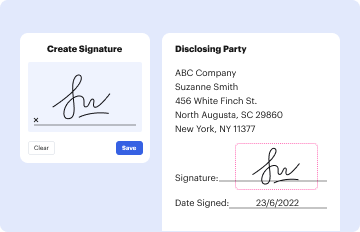
02. Sign it in a few clicks
Draw your signature, type it, upload its image, or use your mobile device as a signature pad.
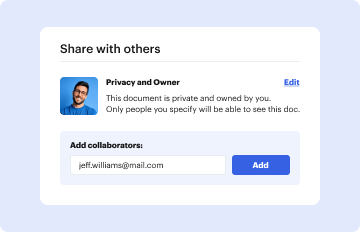
03. Share your form with others
Send it via email, link, or fax. You can also download it, export it or print it out.

How to use or fill out state of Michigan illable substance abuse assessment form with our platform

Form edit decoration
9.5
Ease of Setup
DocHub User Ratings on G2
9.0
Ease of Use
DocHub User Ratings on G2
  1. Click ‘Get Form’ to open the state of Michigan illable substance abuse assessment form in the editor.
  2. Begin with Section 1: General Information and History. Fill in your full name, date of birth, driver’s license number, and contact information. Ensure all details are accurate as they will be used for identification.
  3. In the Lifetime Conviction History section, list all relevant driving and non-driving convictions related to alcohol or drugs. Be thorough and honest, as this information is crucial for your assessment.
  4. Proceed to Section 2: History and Evaluation. This part requires input from an evaluator regarding your treatment history and diagnostic impressions. Make sure to attach any necessary documents that support your claims.
  5. Complete the Petitioner’s Affidavit (Form 3) by providing proof of residency, conviction history, and details about your substance use history. Sign and date the affidavit before submission.

Start using our platform today to easily fill out your state of Michigan illable substance abuse assessment form for free!

See more state of michigan illable substance abuse assessment form versions

We've got more versions of the state of michigan illable substance abuse assessment form form. Select the right state of michigan illable substance abuse assessment form version from the list and start editing it straight away!
Versions Form popularity Fillable & printable
2009 4.9 Satisfied (33 Votes)
2008 4 Satisfied (46 Votes)
be ready to get more

Complete this form in 5 minutes or less

Get form

Got questions?

We have answers to the most popular questions from our customers. If you can't find an answer to your question, please contact us.
Contact us
Through a combination of clinical interview, personal history-taking, and self-reports, supplemented by laboratory testing and collateral reports as appropriate, the assessment process identifies patients health problems, interest in and readiness for treatment, and feasible treatment options.
Diagnosing drug addiction (substance use disorder) requires a thorough evaluation and often includes an assessment by a psychiatrist, a psychologist, or a licensed alcohol and drug counselor. Blood, or other lab tests are used to assess drug use, but theyre not a diagnostic test for addiction.
The most commonly used drug use screening tests include: Drug Abuse Screen Test (DAST, also known as DAST-10). Tobacco, Alcohol, Prescription medication, and other Substance use (TAPS). Cut-down Annoyed, Guilty, Eye-opener (CAGE). Car, Relax, Alone, Forget, Friends, Trouble (CRAFFT).
A needs assessment Determines the need for crisis counseling, mental health and/or substance misuse treatment, public education, and information dissemination. Assesses risk factors and reactions in relation to: Safety.
These evaluations are conducted by qualified professionals such as licensed alcohol and drug counselors, social workers, psychologists, psychiatrists, or other mental health professionals with specialized training in addiction.

Security and compliance

At DocHub, your data security is our priority. We follow HIPAA, SOC2, GDPR, and other standards, so you can work on your documents with confidence.

Learn more
ccpa2
pci-dss
gdpr-compliance
hipaa
soc-compliance

People also ask

The four Cs of addiction are a set of characteristics that describe the core elements of substance use disorders. These four Cs include compulsion, control, craving, and consequences.
Professional organizations recommend universal drug screening using a tool such as the 4Ps ( Pregnancy, Past, Partner, and Parental Use) to identify risk factors for substance abuse. This screening tool has been validated in non-pregnant subjects but not in pregnancy.
The most commonly used drug use screening tests include: Drug Abuse Screen Test (DAST, also known as DAST-10). This test contains 10 yes or no questions about how much and how often you take drugs. It also asks if the drugs are causing problems in your life and health.

Related links