




01. Edit your form online
Type text, add images, blackout confidential details, add comments, highlights and more.

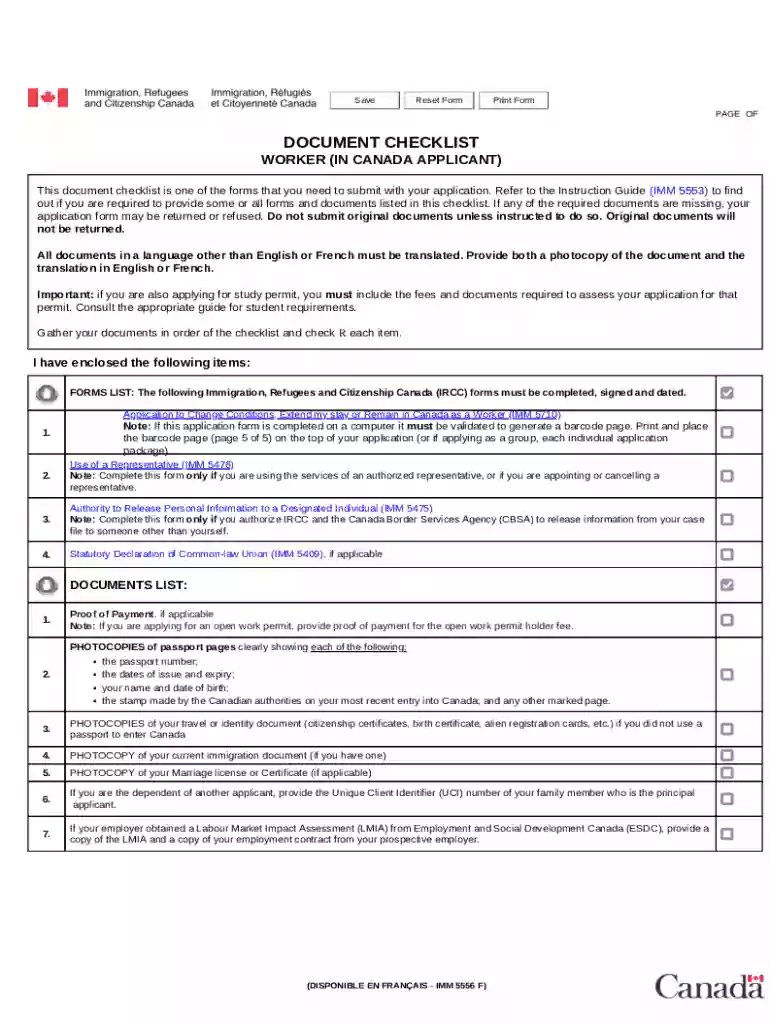
Type text, add images, blackout confidential details, add comments, highlights and more.

Draw your signature, type it, upload its image, or use your mobile device as a signature pad.

Send it via email, link, or fax. You can also download it, export it or print it out.
The phrase "PDF reader may not be able to display this type of" typically indicates a compatibility or format issue within a PDF document. This message appears when a PDF file contains elements that cannot be rendered by the PDF viewer being used. The elements can be complex graphics, interactive forms, or multimedia content that the viewer does not support.
When encountering this message, users may miss essential parts of the document, leading to incomplete information or misunderstood claims.
To mitigate the issue indicated by this message, ensure you use a PDF reader that supports all standard and complex PDF elements.
If you need to act on a PDF document despite compatibility nuances, consider these steps to resolve the issue:
Understanding the elements that might not display can be crucial for addressing the compatibility issues indicated by this message.
Software compatibility plays a crucial role in how a PDF is rendered, especially when using integration-heavy software like TurboTax or QuickBooks.
The digital vs. paper version of a form or document can often determine how it is handled and used effectively.
Some businesses frequently encounter complex PDFs due to the nature of their operations.
A variety of professionals and organizations face compatibility issues indicated by this notice as part of their workflow.


By understanding these contexts and implementing the recommended actions or changes, users can effectively handle and rectify the issues indicated by "PDF reader may not be able to display this type of," ensuring smooth operation across diverse industries and scenarios.

We've got more versions of the PDF reader may not be able to display this type of form. Select the right PDF reader may not be able to display this type of version from the list and start editing it straight away!
At DocHub, your data security is our priority. We follow HIPAA, SOC2, GDPR, and other standards, so you can work on your documents with confidence.
If this message is not eventually replaced by the proper contents of the document, your PDF viewer may not be able to display this type of document.
It will automatically place a viewer below any pdf links. You still need to get an API key from DocHub at more
Nov 10, 2025 Resolution. This issue occurs because the PDF is saved as a dynamic PDF (XFA-PDF), which is not supported by many browser PDF viewers.Read more


