



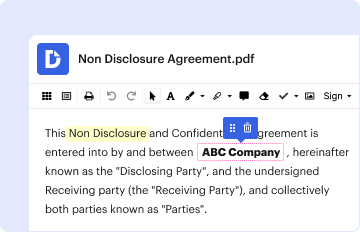
01. Edit your form online
Type text, add images, blackout confidential details, add comments, highlights and more.

Type text, add images, blackout confidential details, add comments, highlights and more.
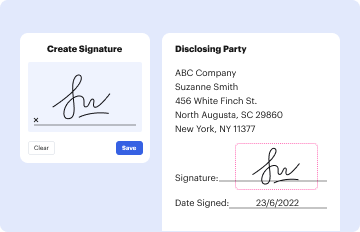
Draw your signature, type it, upload its image, or use your mobile device as a signature pad.
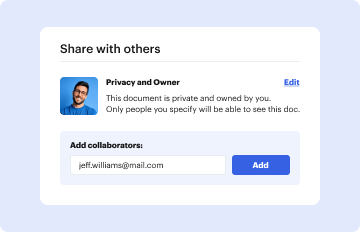
Send it via email, link, or fax. You can also download it, export it or print it out.
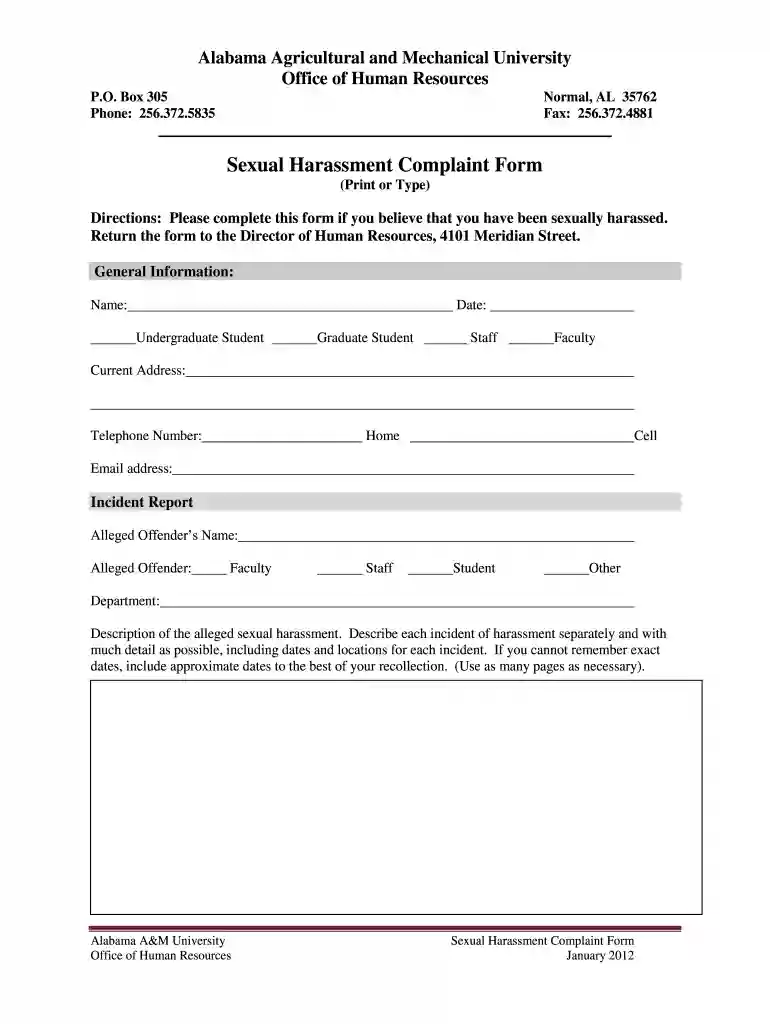
A printable harassment form is a standardized document used by individuals to formally report incidents of harassment, whether in the workplace, educational institutions, or other settings. This form captures critical information related to the alleged harassment, including details about the person making the complaint, the alleged offender, specific incidents, and any witnesses or evidence that may support the claim.
The primary purpose of this form is to provide a clear, structured way for individuals to document their experiences and grievances. By formally reporting harassment, individuals initiate a process that leads to investigation and potential resolution, ensuring that their concerns are taken seriously and addressed appropriately.
Understanding the key elements of the harassment complaint form is essential for effective utilization. The following components are typically included:
Complainant Information: This section requires personal details of the individual reporting the harassment, such as name, contact information, and, if applicable, employee or student ID numbers.
Alleged Offender Details: Information regarding the person accused of harassment, including their name and contact details.
Incident Description: A detailed account of the harassment incidents, including dates, locations, and the nature of the behavior. This is crucial for framing the context of the complaint.
Witness Information: Names and contact details of any witnesses who can provide corroborative accounts of the harassment incidents.
Documentation and Evidence: Space for listing any supporting evidence, such as emails, text messages, or photos that can substantiate the claims made.
Signature and Date: A section where the complainant affirms the truthfulness of their statements, often accompanied by a date to establish a timeline.
Each of these elements plays a vital role in documenting harassment and facilitating the investigation process.
Using a printable harassment form involves several steps to ensure the information provided is accurate and comprehensive.
Obtain the Form: The first step is to acquire the harassment complaint form, which may be available through various channels, including human resources departments, educational institutions, or online resources.
Gather Necessary Information: Before filling out the form, collect all relevant details related to the incidents of harassment. This includes dates, times, locations, and descriptions of the behavior.
Complete the Form: Carefully fill out the form, ensuring that all sections are completed to the best of your knowledge. Be detailed in the incident description to provide a clear picture of the events.
Review and Edit: After completing the form, review it thoroughly to check for accuracy and completeness. Editing any unclear language can help ensure the form is understood during investigation.
Submit the Form: Follow the submission guidelines provided by your organization or institution. This may involve submitting the form to a specific department or individual, preferably in a confidential manner.
Taking these steps helps ensure that complaints are documented properly, allowing for effective responses to harassment allegations.
Completing the harassment complaint form can be streamlined by following these specific steps:
Read Instructions: Start by familiarizing yourself with the instructions that accompany the form. Understanding the expectations will help prevent errors.
Fill in Your Details: Begin by entering your contact information accurately in the designated sections. Ensure that your details are current to facilitate follow-up.
Describe the Allegations: In the section dedicated to describing the harassment incidents, be specific and concise. Include relevant facts about what happened, when it happened, and the impact it had on you.
Provide Witness Information: List any witnesses who can corroborate your account. Include contact information to assist investigators in reaching out for additional information.
Attach Supporting Documents: If you have supporting evidence, gather it and note it in the form. This might include text messages, photographs, or other documents relevant to the harassment incident.
Sign and Date: Finally, sign the form and date it to affirm the accuracy of your statements. This step is critical as it indicates that you formally submit your complaint.
Following these steps ensures that the information presented is comprehensive and conducive to an effective investigation process.
The printable harassment form is typically used by a diverse range of individuals across various environments, including:
Employees: Workers in corporate, non-profit, or public sectors who experience harassment in the workplace utilize this form to report incidents to their human resources departments.
Students: Individuals in educational settings use the harassment form to address issues that may arise with classmates, faculty, or staff members.
Volunteers and Interns: People in positions that are not full-time employees but may still experience harassment can use this form to formally report their incidents.
Community Members: In some cases, members of a community may utilize a harassment form to document experiences related to public spaces or community organizations.
Each of these groups relies on the form to initiate formal reporting processes, seeking resolution and support for their concerns.


The legal implications surrounding the harassment complaint form are significant, as improper usage can impact both the complainant and the accused. Here are some key legal considerations to be aware of:
Documented Evidence: The completed form serves as a record of the complaint, which may have legal significance during investigations or potential legal proceedings. Proper documentation is essential for both parties involved.
Confidentiality: Legal protections often dictate that harassment complaints be treated as confidential to protect the identities and rights of all involved. Understanding how your information will be handled is crucial.
Representation: Individuals filing a complaint may seek legal counsel to understand their rights and responsibilities throughout the process. Legal advisors can assist in navigating the complexities of harassment claims.
Compliance with Regulations: Organizations must comply with federal and state laws regarding harassment in the workplace or educational settings. Proper use of the harassment form contributes to fulfilling these legal obligations.
Awareness of these legal aspects helps individuals to navigate their rights effectively while ensuring that formal complaints are handled correctly.
Familiarity with terminology can enhance understanding when completing or discussing the printable harassment form. Key terms include:
Harassment: Unwanted, aggressive behavior that can take various forms, such as verbal, physical, or psychological intimidation.
Complainant: The individual who reports the harassment formally using the complaint form.
Witness: A person who observes the incidents of harassment and can provide credible accounts to support the complainant's claims.
Investigation: The process that occurs following a formal complaint, wherein the details are examined by the relevant authority to determine the validity of the claims.
Retaliation: Any adverse action taken against the complainant as a result of their filing a complaint; retaliation is illegal and punishable under many laws.
Understanding these terms fosters a better grasp of the harassment complaint process and enhances clarity when discussing incidents and resolutions with appropriate authorities.
We've got more versions of the printable harassment form form. Select the right printable harassment form version from the list and start editing it straight away!
| Versions | Form popularity | Fillable & printable |
|---|---|---|
| 2012 | 4.1 Satisfied (30 Votes) |
At DocHub, your data security is our priority. We follow HIPAA, SOC2, GDPR, and other standards, so you can work on your documents with confidence.
Directions: To facilitate the review process, employees who believe they have been harassed are strongly encouraged to complete this form.Read more
This form should be completed by the complainant and delivered to the Title IX Coordinator, Human Resources Director, or President. Name of Complainant:Read more
form of retaliation or embarrassment.According to courts, Exemption 7 Printable version; Permanent link Page information Cite this page. Contributors.Read more


