






Definition and Importance of Caiu Reading Comprehension
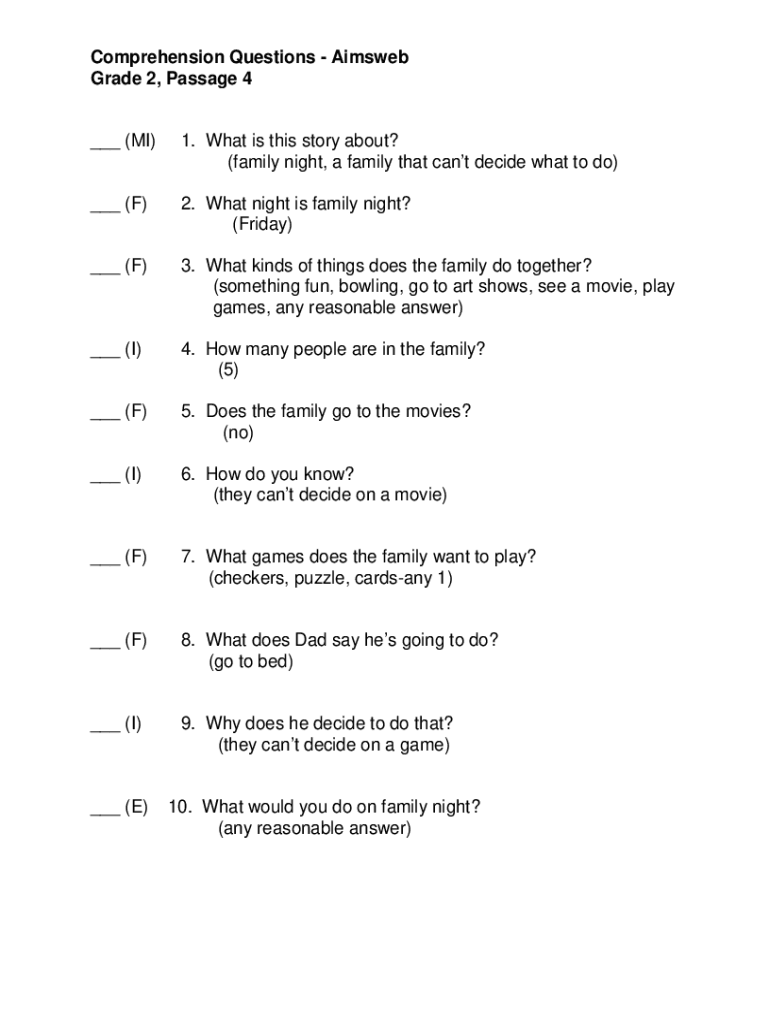
Caiu reading comprehension refers to a structured approach for assessing and enhancing reading skills, particularly aimed at Grade 2 students. This method focuses on various reading passages, each accompanied by a series of comprehension questions. The intent is to evaluate students' ability to grasp the main idea, recall specific facts, make inferences, and understand vocabulary and cause/effect relationships. Given its focus on critical thinking, the caiu reading comprehension serves as a vital educational tool in developing foundational literacy skills.
Understanding how reading comprehension works is essential in education. It enables educators to identify areas where students may struggle and tailor instruction accordingly. Additionally, the caiu reading comprehension format helps facilitate discussions around readings, offering opportunities for group learning and collaborative problem-solving.
How to Use the Caiu Reading Comprehension Effectively
Using caiu reading comprehension effectively involves several systematic steps. Educators and parents can follow these practical guidelines:
- Select Appropriate Passages: Choose passages that align with the students' reading levels and interests. This ensures engagement and retention.
- Encourage Active Reading: Students should be prompted to highlight or note key points while reading, fostering an active engagement with the text.
- Guide Discussion: After reading, lead discussions around the comprehension questions. This encourages critical thinking and clarification of misunderstandings.
- Assess Understanding: Utilize answers to the comprehension questions to gauge understanding and provide feedback where necessary.
- Implement Follow-Up Activities: Consider additional activities that reinforce the concepts learned, such as creative writing or drawing, based on the reading passage.
The combination of these strategies can enhance the effectiveness of caiu reading comprehension in educational settings.
Steps to Complete the Caiu Reading Comprehension
Completing caiu reading comprehension involves a structured process for both students and educators. Here are the necessary steps:
-
Preparation:
- Gather selected reading passages and comprehension questions tailored to the students' abilities.
- Set a supportive environment for reading.
-
Reading:
- Students read the passages independently or in a guided format.
- Encourage them to take notes or mark passages they find significant.
-
Answering Questions:
- After reading, students respond to the comprehension questions, ensuring they refer back to the text for support.
- Encourage them to explain their reasoning for their answers.
-
Reviewing Answers:
- Review the answers as a class or in small groups. Discuss any discrepancies and clarify misconceptions.
- Allow students to provide feedback on the passage, discussing what they enjoyed or found challenging.
-
Reflection:
- Have students reflect on their understanding of the text and the value of the reading exercise. This can be done through short writing assignments or group discussions.
Following these steps ensures a comprehensive approach to caiu reading comprehension.
Key Components of the Caiu Reading Comprehension
Understanding the key components of caiu reading comprehension is crucial for effective implementation. These components include:
- Reading Passages: Each passage is crafted to present a complete narrative or informational text suited for Grade 2 readers, ensuring they are appropriate in complexity and content.
- Comprehension Questions: These questions are categorized into various types:
- Main Idea Questions: Assess understanding of the primary message of the passage.
- Detail Questions: Ask for specific facts found within the text.
- Inference Questions: Require students to go beyond the text and use reasoning to answer.
- Vocabulary Questions: Test understanding of key terms presented in the passages.
- Cause and Effect Questions: Encourage students to recognize relationships between actions and outcomes within the text.
These elements collectively create a robust framework for assessing and enhancing students' reading comprehension skills.
Individuals Who Typically Use the Caiu Reading Comprehension
The caiu reading comprehension is primarily utilized by a variety of educational stakeholders, including:
- Educators: Teachers employ this tool to assess student progress and adapt teaching strategies to meet their needs.
- Parents: Parents may use comprehension exercises at home to support their children's literacy development and engage in their educational journey.
- Tutors: Individual tutors can incorporate caiu reading comprehension into tailored lesson plans for students needing additional support.
- Educational Researchers: Individuals studying literacy acquisition may analyze data from caiu reading comprehension assessments to gain insights into effective instructional strategies.
Understanding the diverse users of caiu reading comprehension is essential for optimizing its application across learning environments.
Variants and Alternative Approaches to Caiu Reading Comprehension
While caiu reading comprehension is a valuable method, several alternatives can complement or enhance the learning experience:
- Aimsweb Reading Comprehension: This regularly updated system assesses reading fluency and comprehension through structured and standardized assessments.
- Interactive Reading Programs: Digital platforms that engage students with multimedia components can make reading comprehension exercises more stimulating.
- Literature Circles: These allow small groups of students to engage in reading select texts and discussing them collaboratively, enriching their comprehension experience.
- Graphic Organizers: Visual aids that help map out ideas and relationships in texts can serve as effective supplements to traditional comprehension methods.
Utilizing these complementary approaches can cater to different learning styles and further enhance reading comprehension outcomes.