




Here's how it works
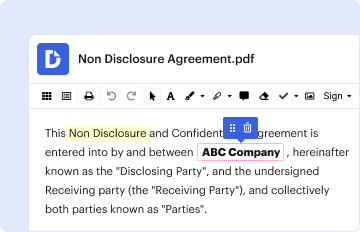
01. Edit your form online
Type text, add images, blackout confidential details, add comments, highlights and more.
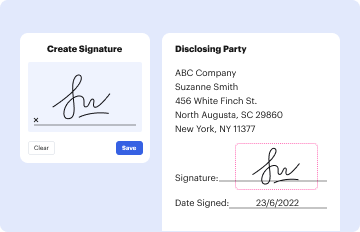
02. Sign it in a few clicks
Draw your signature, type it, upload its image, or use your mobile device as a signature pad.

03. Share your form with others
Send it via email, link, or fax. You can also download it, export it or print it out.
How to use or fill out Short-Term Mission Trip Risk

- Click ‘Get Form’ to open it in the editor.
- Begin by filling out the Trip Information section. Enter the sponsoring organization, location, dates, and nature of the mission trip. Ensure all details are accurate for proper documentation.
- Provide contact information for the Trip Sponsor’s coordinator, including their name, telephone number, and email address. This is crucial for communication regarding the trip.
- List any risks associated with the trip and prohibited activities for minor participants. You can add additional information on an alternate sheet if necessary.
- Complete the Participant Information section with details about the participant or their parent/guardian. Include emergency contact information and any relevant medical conditions or allergies.
- Confirm whether the Trip Sponsor is authorized to approve medical treatment and if the participant has personal/family medical insurance. Fill in insurer details if applicable.
- Finally, ensure that all signatures are obtained from participants or parents/guardians where required to validate consent and acknowledgment of risks.
Start using our platform today to streamline your document editing process for free!
Fill out Short-Term Mission Trip Risk online
It's free
It's free
See more Short-Term Mission Trip Risk versions
We've got more versions of the Short-Term Mission Trip Risk form. Select the right Short-Term Mission Trip Risk version from the list and start editing it straight away!
Got questions?
We have answers to the most popular questions from our customers. If you can't find an answer to your question, please contact us.
Contact us
Are short-term mission trips biblical?
Jesus led independent short-term missions (STMs). The Bible mentions the first four disciples who went with Jesus on a STM (Mark 1:16-20), followed by the twelve disciples (Mark 3:13-19), and then the seventy disciples (Luke 10:1-17). Jesus began His extensive ministry of training with twelve handpicked disciples.
What is the purpose of short-term mission trips?
Short-term trips are a spiritually focused, grace-filled environment that cultivates growth and learning. They provide a unique opportunity for you to drop everything and focus on your relationship with God. By stepping out of your usual routine, you also create space for God to meet you in new ways.
What are the arguments against mission trips?
Critics have argued that American short-term mission teams dump unwanted goods on host communities, are culturally insensitive and commonly assume that locals need American expertise. Construction projects push out local workers and often result in shoddily built structures suggesting the enormous sums of money
What is considered a short-term mission trip?
Length and Destination Short-term mission trips can be around one week to one month, while long-term assignments can last up to 2 years or more. Trips arranged by church groups or Christian university organizations typically lean more toward the short-term end.
Are short-term mission trips worth it?
One important benefit of short-term missions trips is the illumination they provide to students who have only been in their own church context. While many students will experience this when they head to college, we can help them see their connection to the Church around the world while theyre still in our ministry.
Security and compliance
At DocHub, your data security is our priority. We follow HIPAA, SOC2, GDPR, and other standards, so you can work on your documents with confidence.
Learn more


People also ask
Are short-term mission trips effective?
Short-term mission trips matter. They impact the lives of those who go, helping them grow spiritually and realize their potential.
What are the risks of mission trips?
As you plan your next trip, consider these eight dangers and the tips we offer to minimize their impact on your trip. Cultural Issues. Spiritual Tourism. False Affirmations. Unrealistic Expectations. Resource Reduction. Minimal Evangelistic Impact. Spiritual Pride.