





Understanding Lie Detector Results Templates
Lie detector results templates are structured documents used to report the findings of a polygraph examination. These templates are crucial in ensuring clarity and consistency in the presentation of polygraph results, which can impact legal proceedings, employment decisions, or personal situations.
Definition and Purpose of Lie Detector Results Templates
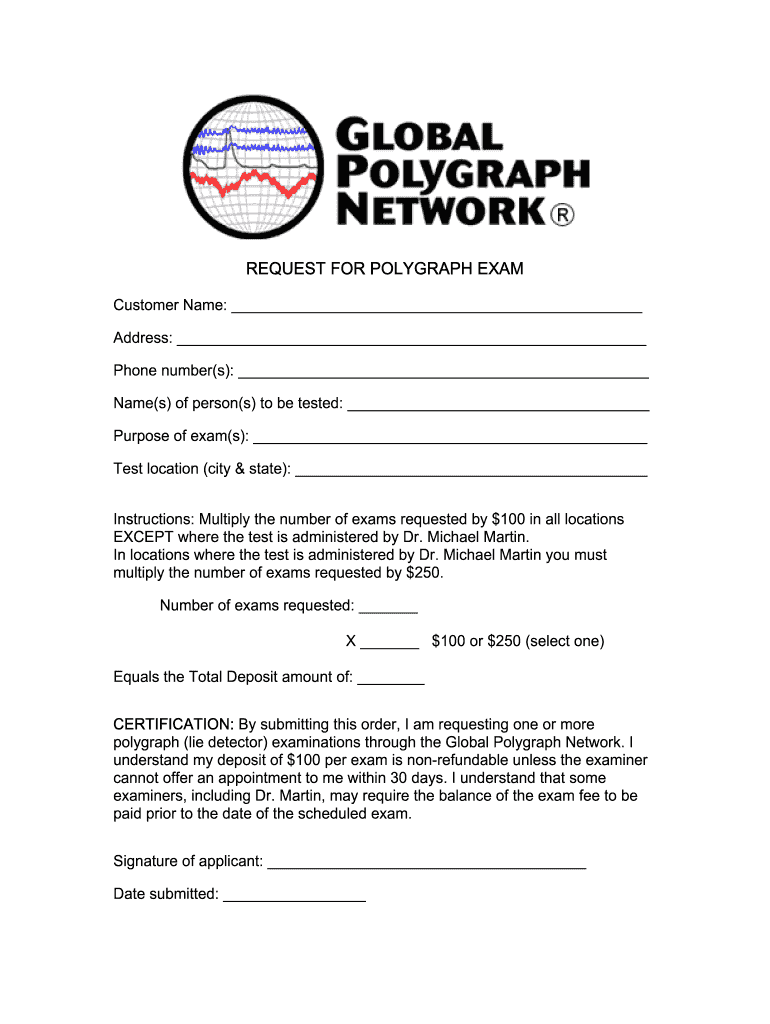
A lie detector results template is a formal document that includes the results of a polygraph test, along with necessary participant information and test conditions. The primary purpose of such a template is to provide a standardized format for reporting test outcomes, thus ensuring that the results are easily interpretable by all stakeholders involved. This format typically includes:
- Subject Information: Details of the individual tested, including name, identification number, and the date of the examination.
- Examiner Details: Information about the certified examiner conducting the test, including their qualifications and licensing.
- Test Conditions: Details on the conditions under which the test was administered, including location and duration.
- Result Summary: A clear interpretation of the data obtained from the polygraph machine, detailing whether the subject's responses were deemed deceptive or truthful.
Components of a Lie Detector Results Template
A robust lie detector results template typically includes multiple key sections. Each section plays a crucial role in documenting and analyzing the findings of the polygraph test:
-
Header Information:
- Date and time of the examination
- Case number for reference
- Name of the agency or individual requesting the test
-
Participant and Examiner Information:
- Full name and contact information for the subject
- Background of the examiner, including experience and credentials
-
Test Overview:
- A brief explanation of the purpose of the test
- Description of the type of questions asked during the test, categorized by relevant topics
-
Results Interpretation:
- Clear notation of whether the responses indicate deception
- Supporting data graphs showing physiological responses during questioning
-
Examiner Comments:
- Commentary from the examiner regarding the test outcomes, highlighting any inconsistencies or concerns
Steps to Utilize a Lie Detector Results Template
When using a lie detector results template, certain steps should be followed to ensure accuracy and compliance:
-
Complete Participant Information: Start by filling in the subject's and examiner's details accurately. This ensures proper identification in legal contexts.
-
Document Test Conditions: Clearly outline the conditions of the test, including the environment, duration, and any relevant notes on the testing process. This is essential for transparency and reproducibility.
-
Detail the Questioning Process: Include a thorough list of the questions posed during the examination. This contextual information is critical for understanding the results.
-
Analyze Results: Utilize the results analysis section to detail findings using objective data from the polygraph readings. This may include heart rate, blood pressure, and galvanic skin responses.
-
Add Examiner Commentary: Provide space for the examiner's professional insights regarding the results, noting any factors that could have influenced the outcome.
Legal Considerations Regarding Lie Detector Results
In the U.S., the use of polygraph tests is regulated by various laws, including the Employee Polygraph Protection Act. While these results can be critical in specific contexts, it is essential to recognize that:
- Admissibility in Court: Lie detector results may not always be admissible as evidence in legal proceedings. The interpretation of such results can vary based on jurisdiction and case law.
- Privacy Regulations: Sensitive personal information should not be disclosed without the subject’s consent, highlighting the need for confidentiality in reports.
Examples of Lie Detector Results Templates
Several variations of lie detector results templates exist, tailored to specific needs and settings:
- Employment Screening: Templates designed for hiring processes often emphasize the applicant's responses to specific job-related questions.
- Legal Investigations: These templates may incorporate detailed legal disclaimers and a focus on results that could influence criminal or civil cases.
- Personal Assessments: Templates used in personal matters, such as infidelity investigations, typically provide a straightforward overview of truthfulness regarding personal allegations.
By encapsulating these elements, a well-constructed lie detector results template enhances the reliability of polygraph examinations and provides clarity for all parties involved.