Idm uct ac zaMemberGroupsMember GroupsInstitute Of Infectious Disease and Molecular 2026

Get Form
idm uct ac zaMemberGroupsMember GroupsInstitute Of Infectious Disease and Molecular Preview on Page 1

Here's how it works

01. Edit your form online
Type text, add images, blackout confidential details, add comments, highlights and more.
02. Sign it in a few clicks
Draw your signature, type it, upload its image, or use your mobile device as a signature pad.
03. Share your form with others
Send it via email, link, or fax. You can also download it, export it or print it out.

How to use or fill out idm uct ac zaMemberGroupsMember GroupsInstitute Of Infectious Disease and Molecular with our platform

Form edit decoration
9.5
Ease of Setup
DocHub User Ratings on G2
9.0
Ease of Use
DocHub User Ratings on G2
  1. Click ‘Get Form’ to open it in the editor.
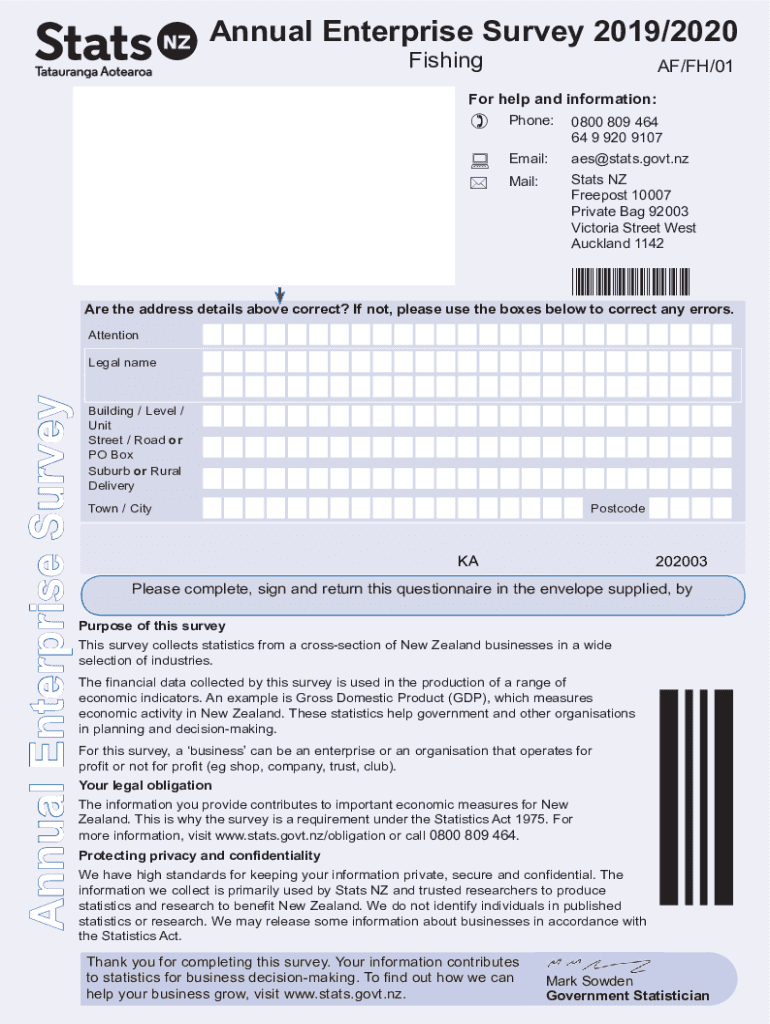
  2. Begin by verifying your address details. If any information is incorrect, use the provided boxes to make corrections.
  3. Fill in the legal name of your organization along with the building, street, suburb, town/city, and postcode.
  4. Complete the financial data sections by entering accurate figures for income and expenditures as prompted. Use a blue or black pen for clarity.
  5. If you encounter any mistakes, simply erase them and re-enter the correct information. Ensure all amounts are rounded to the nearest thousand.
  6. Once all fields are filled out, review your entries for accuracy before signing and submitting the form.

Start using our platform today to streamline your document editing and form completion process!

See more idm uct ac zaMemberGroupsMember GroupsInstitute Of Infectious Disease and Molecular versions

We've got more versions of the idm uct ac zaMemberGroupsMember GroupsInstitute Of Infectious Disease and Molecular form. Select the right idm uct ac zaMemberGroupsMember GroupsInstitute Of Infectious Disease and Molecular version from the list and start editing it straight away!
Versions Form popularity Fillable & printable
2020 4.8 Satisfied (184 Votes)
2019 4.4 Satisfied (31 Votes)
be ready to get more

Complete this form in 5 minutes or less

Get form

Got questions?

We have answers to the most popular questions from our customers. If you can't find an answer to your question, please contact us.
Contact us
Infectious Disease Epidemiology is a practical and concise guide which not only provides basic information and concepts used in epidemiology, but also the remarkable advances in this discipline as a result of progress in molecular biology, genomics, statistics and computing.
What is molecular diagnostics? Molecular diagnostics, also called molecular pathology, involves taking DNA or RNA, the unique genetic code found in our cells, and analyzing the sequences for red flags that can pinpoint the potential emergence of a specific disease. The field has expanded rapidly in recent years.
Molecular methods, including next-generation sequencing and droplet digital PCR, are also valuable tools for infectious disease surveillance, enabling community-wide assessments of disease distribution and transmission, prevalence, detection of pathogen variants, and detection of early indicators of disease outbreaks.
The polymerase chain reaction (PCR) is a type of nucleic acidbased test. The PCR technique is used to produce many copies of a gene from a microorganism, making the microorganism much easier to identify. Each genetic test is specific to only one specific microorganism.
The importance of molecular diagnostics for infectious diseases in low-resource settings. In settings with limited resources and a wide range of possible etiologies, molecular technologies offer an effective solution for infectious disease diagnostics, because they are agile, fast and flexible.

Security and compliance

At DocHub, your data security is our priority. We follow HIPAA, SOC2, GDPR, and other standards, so you can work on your documents with confidence.

Learn more
ccpa2
pci-dss
gdpr-compliance
hipaa
soc-compliance

People also ask

The PhD in Tropical and Infectious Diseases program gears towards independence in scientific and critical thinking with an emphasis on quality research and life-long learning to bring the student to a higher level of competence in Tropical and Infectious Diseases with special expertise in an area chosen for the thesis.