




Understanding Form 990
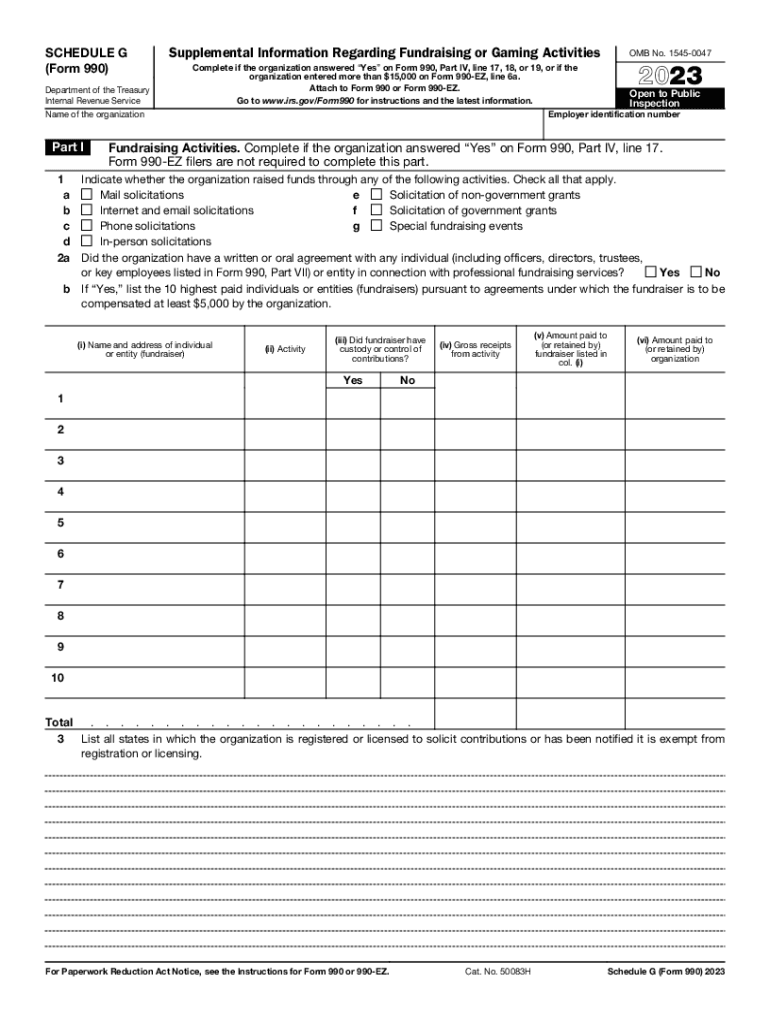
Form 990 is an annual reporting return that certain federally tax-exempt organizations must file with the IRS. It provides the IRS and the public with financial information about such organizations. It is also used by government agencies to prevent organizations from abusing their tax-exempt status. Form 990 is crucial as it promotes transparency and public accountability.
Organizations Required to File
Not every organization needs to file Form 990. Typically, tax-exempt organizations with gross receipts of $200,000 or more or total assets of $500,000 or more must file Form 990. Smaller organizations may file simpler versions, such as Form 990-EZ or Form 990-N. It's essential for organizations to verify their specific filing requirements to ensure compliance and avoid penalties.
Completing Form 990
Filing Form 990 requires careful preparation. Organizations must gather detailed financial records, including income, expenses, and changes in net assets or fund balances. Additionally, they must report governance, management, and disclosure protocols, including details of officers, directors, trustees, and key employees.
Important Sections of the Form
- Part I: Summary of the organization's mission, significant activities, and accomplishments.
- Part II: Summarized financial data derived from the remainder of the form.
- Part III: Statement of program service accomplishments, highlighting new ventures or significant changes.
Form 990 also requires detailed narratives explaining various financial activities and changes.
Filing Deadlines and Penalties
The standard deadline for filing Form 990 is the 15th day of the fifth month following the end of the organization's fiscal year. Typically, for organizations operating on a calendar-year basis, the due date is May 15. If the due date falls on a weekend or holiday, the deadline extends to the next business day.
Consequences of Late Filing
Failure to file Form 990 on time can result in significant penalties. The fine is typically $20 per day for small organizations and can escalate up to $100 per day for larger organizations. Failing to file for three consecutive years will result in an automatic revocation of tax-exempt status.
Accessing and Submitting Form 990
Form 990 can be accessed on the IRS website. Once completed, organizations have multiple options for submission:
- Electronic Filing: Many organizations are required to e-file through the IRS e-file system.
- Mailing: Paper forms can be mailed directly, although e-filing is preferred for accuracy and speed.
Organizations should keep a copy of the form and all supporting documents for at least three years.
Required Documentation
Before filing, ensure all necessary documents are available, including:
- Income statements,
- Balance sheets,
- Names of directors and principal officers.
Key Terms Related to Form 990
Understanding specific terminology is crucial for accurately completing Form 990:
- Gross Receipts: Total amount received from all sources before subtracting any costs or expenses.
- Exempt Function Income: Funds used directly for the organization's mission.
Familiarize yourself with these terms to ensure precise reporting.
Software and Tools for Preparation
Many organizations utilize software to streamline the preparation and filing of Form 990. Tools like TurboTax and QuickBooks offer features designed specifically for nonprofit reporting, enhancing accuracy and efficiency.
Benefits of Digital Solutions
- Ease of Use: Step-by-step guidance simplifies the complex filing process.
- Error Reduction: Automated error-checking minimizes the risk of mistakes.
These tools also facilitate an easy transition between digital and print formats, ensuring a smooth workflow.
State-Specific Regulations
While Form 990 is federal, state-specific rules may also apply. Organizations must comply with state laws concerning charitable registration, solicitation, and additional state-based reporting requirements.
Navigating State Laws
- Research Requirements: Each state has different requirements and deadlines.
- Consult Local Experts: Legal or accounting professionals can provide valuable insights.
Understanding these nuances can prevent state-level compliance issues.


