
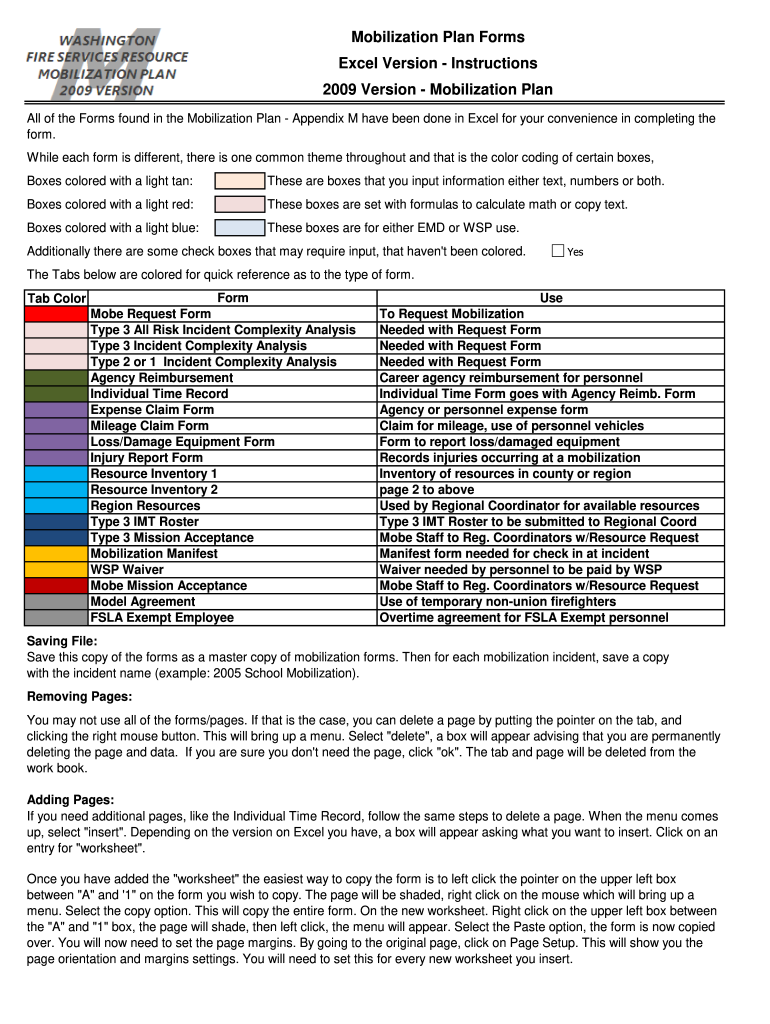







Definition and Overview of the Mobilization Plan Template
The mobilization plan template serves as a structured document designed to facilitate the systematic mobilization of resources, personnel, and logistics for various projects, particularly within the construction and emergency management sectors. This template provides a comprehensive framework that outlines the necessary steps, resources, and timelines required to mobilize effectively. It ensures that all parties involved have a clear understanding of their responsibilities and the specific actions needed to meet project objectives.
Key components of a mobilization plan include:
- Scope of Work: Defines the project's goals and the activities required for successful mobilization.
- Timeline: Establishes a schedule detailing when resources will be mobilized, highlighting critical milestones.
- Budget: Outlines the financial aspects of mobilization, ensuring that projected expenses align with allocated funds.
- Personnel: Identifies key team members and outlines their roles in the mobilization process.
- Resource Allocation: Specifies the equipment and supplies needed for the mobilization, ensuring readiness.
This document is essential for ensuring that all stakeholders are aligned and working towards the same goals.
How to Effectively Use the Mobilization Plan Template
Utilizing a mobilization plan template effectively involves several strategic steps that ensure comprehensive execution and adherence to project requirements.
-
Customize the Template: Start by tailoring the template to suit the specific needs of your project. Modify sections to reflect unique project parameters and ensure all relevant components are included.
-
Gather Project Information: Compile all necessary data related to the project such as timelines, budgets, resource requirements, and team member details. This information will be foundational for filling out the template accurately.
-
Define Roles and Responsibilities: Clearly assign tasks to team members within the document. Specify who is responsible for each aspect of the mobilization, from logistics to communication.
-
Establish Approval Processes: Integrate a flow for approvals within the template to ensure all modifications are reviewed and accepted by relevant stakeholders.
-
Monitor Progress: Use the template not only as a planning tool but also as a tracking mechanism throughout the mobilization process. Regular updates can help identify any deviations from the plan.
Engagement with the template in this way can significantly streamline project management and enhance operational efficiency.
Steps to Complete the Mobilization Plan Template
Completing a mobilization plan template requires a detailed and systematic approach. Here are the key steps to follow:
-
Initial Assessment: Review the project requirements and objectives to understand what needs to be included in the mobilization plan.
-
Fill in Basic Information: Start with general project details such as the project name, location, and key contacts. This foundational information should be easily accessible.
-
Outline the Scope of Work:
- Provide a detailed description of the tasks and activities involved in mobilization.
- Highlight any specific requirements tied to the project’s nature.
-
Develop the Timeline:
- Create a chronological flow of activities including preliminary assessments, mobilization dates, and deadlines.
- Make sure to include buffers for unexpected delays.
-
Budget Calculation:
- List all anticipated costs associated with mobilization such as labor, equipment rental, and transportation.
- Ensure that all expenses align with overall project budget constraints.
-
Resource Distribution: Identify and allocate resources—including personnel, equipment, and materials—needed throughout the mobilization. Each resource should have designated handlers.
-
Review and Finalize:
- Collaborate with project stakeholders to review the completed template.
- Make necessary adjustments based on feedback and confirm that all sections are accurate and complete.
By following these steps, teams can create an effective mobilization plan that lays the groundwork for a successful project execution.
Important Terms Related to the Mobilization Plan Template
Understanding key terminology associated with the mobilization plan provides clarity and ensures that all team members are on the same page. Some essential terms include:
- Mobilization: The act of preparing and equipping resources for a project, often significant in emergency management and construction.
- Deployment: The specific arrangements made to bring people, materials, and assets into a defined area for a particular purpose.
- Logistics: The planning and execution of complex operations involving personnel, goods, and services.
- Timeline: A detailed schedule outlining when various phases of the mobilization will occur, crucial for keeping projects on track.
- Stakeholders: Individuals or groups with an interest in the project's outcome, including team members, clients, and contractors.
By familiarizing everyone with these terms, teams can communicate more effectively and ensure a common understanding of the mobilization process.
Examples of Using the Mobilization Plan Template in the Field
A practical understanding of how a mobilization plan template can be implemented can provide valuable insights into its utility. Here are a few examples across different fields:
-
Construction Projects: In a construction project, a mobilization plan assists in scheduling the arrival of construction equipment, determining when utilities will be set up, and coordinating labor schedules. For example, before breaking ground, the plan might outline a timeline for bringing in cranes and excavators, ensuring they arrive in advance to avoid delays.
-
Emergency Response: During a natural disaster, response teams can use a mobilization plan to coordinate resources swiftly. The template can provide a real-time overview of available personnel, gear, and transport arrangements required to assist affected areas. A plan might specify how many rescue teams need to mobilize immediately and identify local staging areas.
-
Event Management: For large events, mobility planning can streamline processes such as vendor setup, security deployment, and visitor traffic flow. Utilizing the template can help organizers ensure that equipment and services are on-site ahead of the event, enhancing overall logistics management.
Each of these examples illustrates the versatility of a mobilization plan template and underscores its importance in facilitating organized action.
Legal Use of the Mobilization Plan Template
Understanding the legal implications surrounding the mobilization plan is vital for compliance and successful execution. Several legal aspects to consider include:
-
Compliance with Local Regulations: Ensure that the mobilization plan adheres to relevant local, state, and federal laws. This may involve permits for construction, environmental regulations, and safety standards.
-
Contractual Obligations: The mobilization plan should reflect any contractual commitments made to stakeholders. It’s critical to include milestones and payment schedules that comply with contract terms.
-
Insurance Requirements: Verify that the mobilization plan incorporates necessary insurance coverage, protecting the organization against potential liabilities during the project.
-
Documentation and Record-Keeping: Maintain records of all communications, approvals, and changes to the mobilization plan. Proper documentation can be crucial in legal disputes or audits.
Ensuring compliance with these legal considerations is essential in safeguarding against liabilities and ensuring smooth project execution.




