




Here's how it works
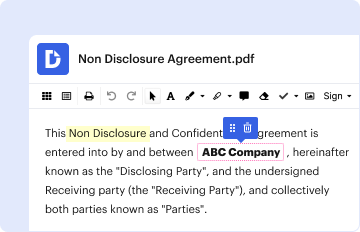
01. Edit your idaho health care directive form online
Type text, add images, blackout confidential details, add comments, highlights and more.
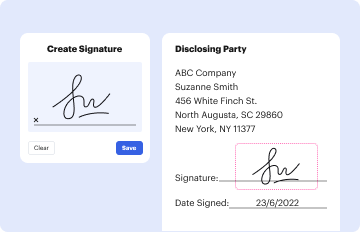
02. Sign it in a few clicks
Draw your signature, type it, upload its image, or use your mobile device as a signature pad.

03. Share your form with others
Send idaho health care directive registry via email, link, or fax. You can also download it, export it or print it out.
How to use or fill out Idaho Care Directive with our platform

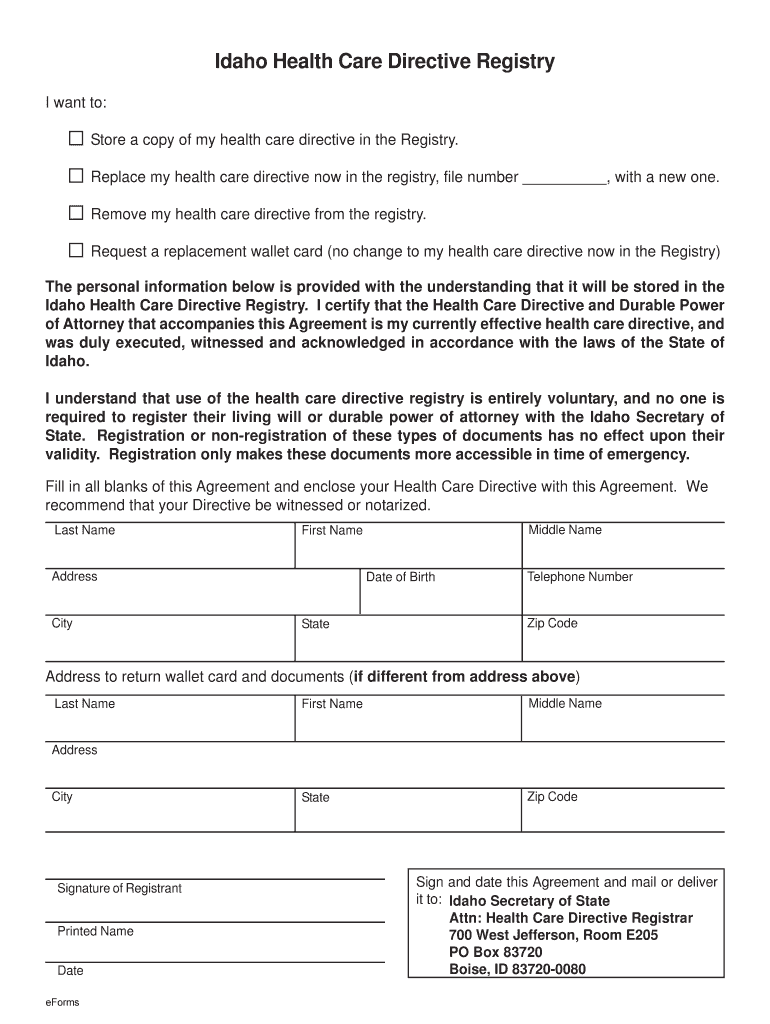
- Click ‘Get Form’ to open the Idaho Care Directive in the editor.
- Begin by filling in your personal information. Enter your Last Name, First Name, and Middle Name in the designated fields.
- Provide your Date of Birth, Address, City, State, Telephone Number, and Zip Code accurately to ensure proper registration.
- If you are requesting a replacement wallet card or changing your directive, specify the file number if applicable.
- Review the certification statement carefully. Ensure that you understand that registration is voluntary and does not affect the validity of your directive.
- Sign and date the Agreement at the bottom of the form. If necessary, include an address for returning documents.
- Once completed, save your document and follow instructions to mail or deliver it to the Idaho Secretary of State.
Start using our platform today for free to complete your Idaho Care Directive effortlessly!
Fill out idaho care directive online
It's free
It's free
Got questions?
We have answers to the most popular questions from our customers. If you can't find an answer to your question, please contact us.
Contact us
What is the difference between a DNR and a health care directive?
Stated simply: A do-not resuscitate order says that if your heart stops beating, or if you stop breathing, you dont want to be resuscitated. An advance directive is more general. You can specify your wishes if you are incapacitated.
Does Medicaid pay for in home care in Idaho?
Idahos State Plan Personal Care Services (PCS), also called the Personal Care Services Program, is a statewide Medicaid program that provides in-home assistance for state residents who are aged and disabled.
Does a medical power of attorney need to be notarized in Idaho?
The power of attorney does not need to be notarized or recorded to be valid. However, if the power is recorded, any revocation of the power by a writing must also be recorded before the revocation is effective.
What are the limitations of a medical power of attorney?
Also, your POA cannot: Transfer the POA responsibility to a new agent without your consent. Make decisions after your death (the executor of your estate will take over at this point). Make changes to the terms of the nominating documents. Make changes or invalidate your last will or other estate planning documents.
What is the difference between a living will and an advance care directive?
You might confuse living wills and advance directives because living wills are a type of advance directive. Advance directives refer to any legal form guiding your future medical care, and living wills refer to specific documents that shape end-of-life treatment.
Security and compliance
At DocHub, your data security is our priority. We follow HIPAA, SOC2, GDPR, and other standards, so you can work on your documents with confidence.
Learn more


People also ask
Can a bank notarize a medical power of attorney?
Yes, many banks and other financial institutions, such as credit unions, offer notary services.
Can a doctor override a medical power of attorney?
If a patient had signed a health care power of attorney or executed an Advance Health Care Directive, only the persons the principal designated to act on their behalf in medical matters will have the authority to do so. It generally is irrelevant whether the hospital disagrees with their decision.