Related Medical ConditionsFood Allergy Research 2026

Get Form
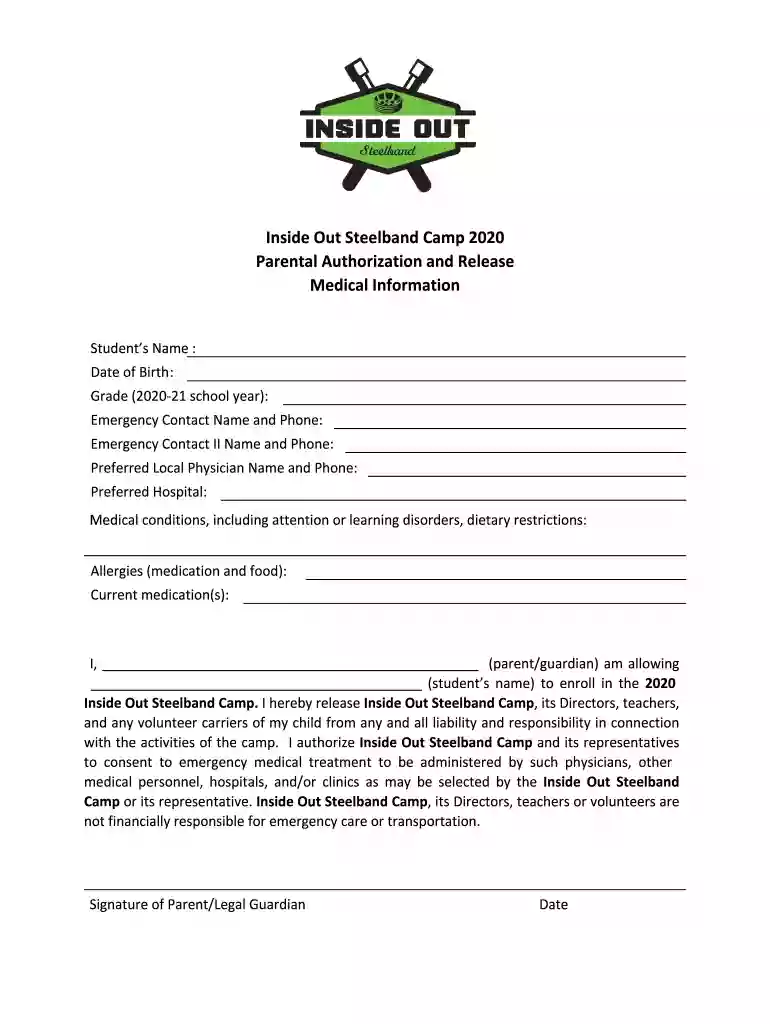
Related Medical ConditionsFood Allergy Research Preview on Page 1

Here's how it works

01. Edit your form online
Type text, add images, blackout confidential details, add comments, highlights and more.

02. Sign it in a few clicks
Draw your signature, type it, upload its image, or use your mobile device as a signature pad.

03. Share your form with others
Send it via email, link, or fax. You can also download it, export it or print it out.

How to use or fill out Related Medical Conditions Food Allergy Research with our platform

Form edit decoration
9.5
Ease of Setup
DocHub User Ratings on G2
9.0
Ease of Use
DocHub User Ratings on G2
  1. Click ‘Get Form’ to open it in the editor.
  2. Begin by entering the student's name and date of birth in the designated fields. This information is crucial for identifying the participant.
  3. Fill in the grade for the 2020-21 school year, ensuring accurate enrollment details.
  4. Provide emergency contact information, including names and phone numbers for two contacts. This ensures quick communication in case of emergencies.
  5. List your preferred local physician and hospital. This information is vital for medical emergencies.
  6. Detail any medical conditions, dietary restrictions, or allergies (both medication and food) that are relevant to the student’s health.
  7. Indicate any current medications being taken by the student to inform camp staff of necessary precautions.
  8. Finally, ensure that a parent or guardian signs and dates the form to authorize participation and release liability.

Start filling out your form online for free today!

See more Related Medical ConditionsFood Allergy Research versions

We've got more versions of the Related Medical ConditionsFood Allergy Research form. Select the right Related Medical ConditionsFood Allergy Research version from the list and start editing it straight away!
Versions Form popularity Fillable & printable
2020 4.8 Satisfied (128 Votes)
be ready to get more

Complete this form in 5 minutes or less

Get form

Got questions?

We have answers to the most popular questions from our customers. If you can't find an answer to your question, please contact us.
Contact us
Related conditions for individuals with food allergies Anaphylaxis. Asthma. Eczema (atopic dermatitis) Eosinophilic Esophagitis (EoE) Food Protein-induced Enterocolitis Syndrome (FPIES) Gastroesophageal Reflux Disease (GERD) Hay Fever (allergic rhinitis) Oral Allergy Syndrome (OAS)
Research has found that chronic anxiety increases the sympathetic nervous systems response to stress. This response releases histamine, a substance the body usually releases to respond to inflammation or allergic reactions. An increased release of histamine may lead to a rash or hives.
Food allergy anxiety happens when the fear of coming in contact with an allergen and/or experiencing an allergic reaction interferes with a persons ability to function on a daily basis. Food allergy anxiety can appear in anyone who has been diagnosed with a food allergy or suspects he or she may have a food allergy.
Our results showed that patients with atopic dermatitis had an increased risk for several comorbidities including OCD (OR = 2.0; 95% CI =1.52.7), anxiety disorders (OR = 1.5; 95% CI = 1.41.7), depressive episodes and sleep disorders (OR = 1.4, 95% CI = 1.31.6; OR = 1.8, 95% CI = 1.62.0) (Table 2).
Eosinophilic esophagitis, or EoE, is a chronic disease that can be associated with food allergies. It is increasingly being diagnosed in children and adults. EoE is characterized by immune cells called eosinophils building up in the esophagus. Symptoms of EoE include nausea, vomiting, and abdominal pain after eating.

Security and compliance

At DocHub, your data security is our priority. We follow HIPAA, SOC2, GDPR, and other standards, so you can work on your documents with confidence.

Learn more
ccpa2
pci-dss
gdpr-compliance
hipaa
soc-compliance
be ready to get more

Complete this form in 5 minutes or less

Get form

People also ask

These eight foods account for 90 percent of food allergic reactions. They are milk, eggs, fish (such as bass, flounder, cod), crustacean shellfish (such as crab, lobster, shrimp), tree nuts (such as almonds, walnuts, pecans), peanuts, wheat and soybeans.

Related links